
Height following system keeps consistent distance between nozzle and sheet. If it fails, you will get bad cuts, nozzle collision and machine damage. Common Symptoms Nozzle hits the metal plate Unstable cutting height during processing Height reading jumps randomly Alarm triggered when starting cutting Possible Causes Dust, spatter or residue on the capacitive […]
Read More
The laser cutting head is the core component of your fiber laser machine. Proper daily maintenance avoids sudden downtime and reduces costly part replacement. Daily Check Inspect the protective lens for dust, oil stains or scratches. Replace immediately if damaged. Check the nozzle for deformation, clogging or residue buildup. Clean or swap nozzles […]
Read More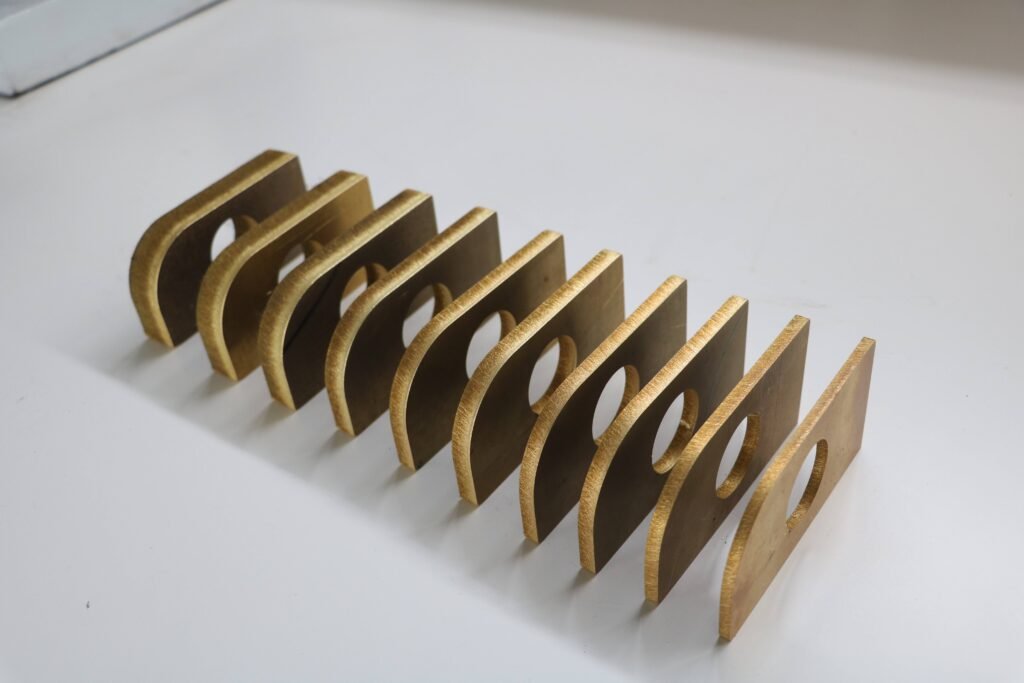
High‑reflective materials such as copper, brass, and aluminum are always challenging for fiber laser cutters. Strong reflected laser light may bounce back toward the laser source, which could potentially damage your laser generator. Main risks of high‑reflective material cutting Back‑reflected laser energy returns to the laser head and resonator. Unstable cutting results: rough […]
Read More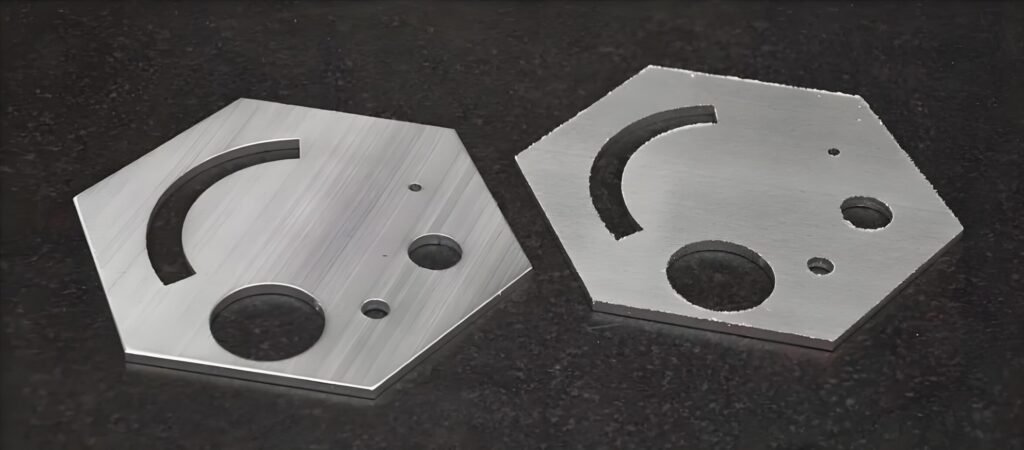
Introduction Edge defects are the most common problems in daily laser cutting production. Rough edges, longitudinal stripes, edge burning, burrs and oxidation discoloration often lead to rework, low yield and increased post-polishing workload. Most edge quality issues are not caused by machine failure. They come from incorrect parameters, poor gas stability, worn accessories and improper […]
Read More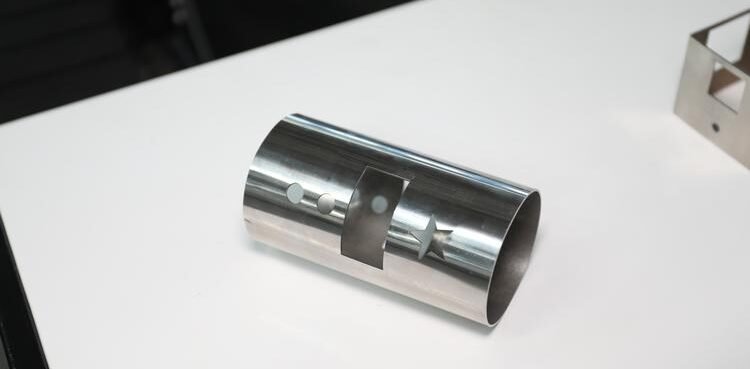
Introduction Material waste is one of the biggest invisible losses in metal processing. Many laser cutting workshops face high scrap rates and low material utilization, which directly reduce profit margins. Most cutting scraps are not caused by machine failure, but by unreasonable nesting, improper operation and material management problems. This article shares practical methods to […]
Read More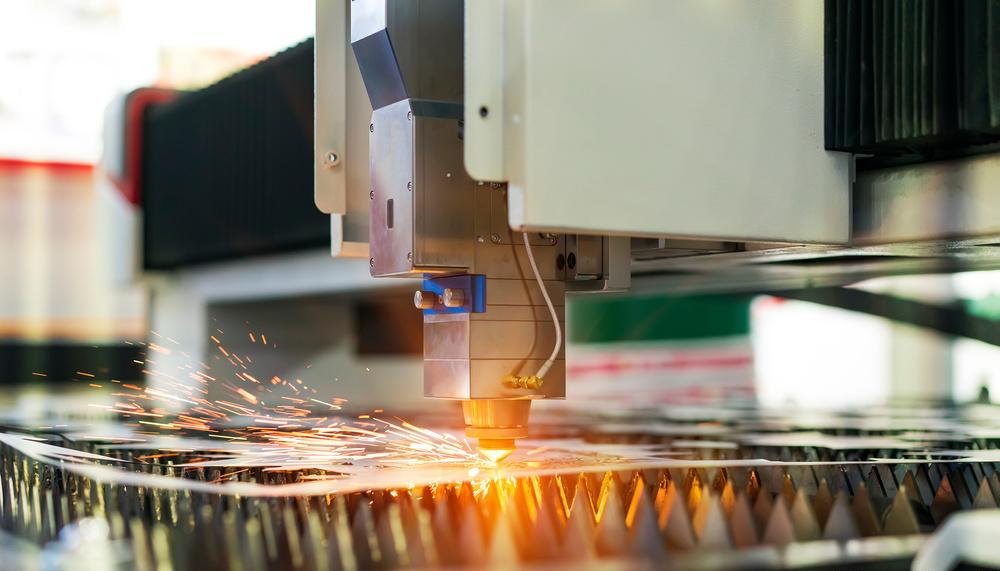
Introduction High nitrogen consumption is one of the biggest hidden costs for laser cutting workshops. Many factory owners find their gas bills extremely high without knowing the exact reasons. Unreasonable parameter settings, equipment problems and improper operation all lead to gas waste. This article summarizes the main causes of excessive gas consumption and shares practical […]
Read More
Introduction When buying a fiber laser cutter, you need to decide between a single platform and exchange table model. Both cut metal accurately, but they differ in efficiency, cost and use cases. 1. Single Platform Laser Cutting Machine It only has one worktable. The machine must stop for loading and unloading sheets after each […]
Read More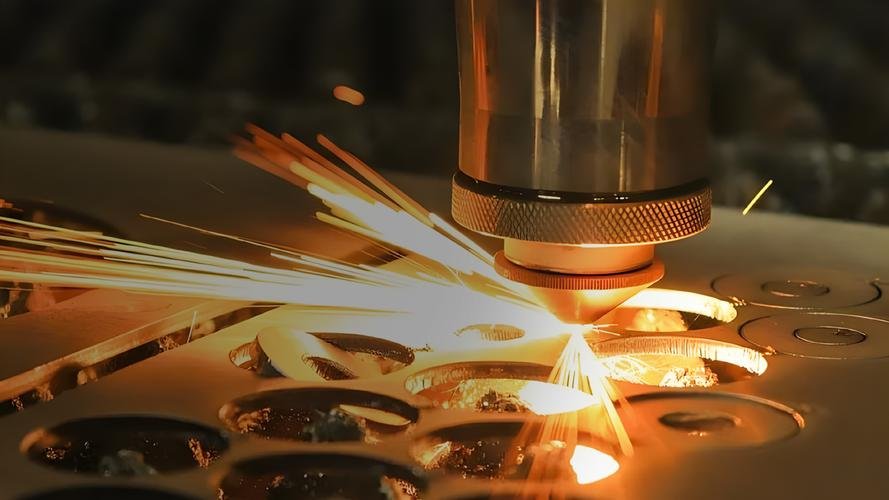
Auxiliary gas is a critical factor that directly decides cutting edge quality, processing speed and operating cost for fiber laser cutters. Many fabricators pick gas only by experience, which easily leads to poor workpiece finish, excessive consumption and higher production expenses. Understanding the features and suitable scenarios of each common auxiliary gas helps you make […]
Read More
Modern fiber laser cutting machines are equipped with intelligent alarm systems to protect core components from damage. Operators often panic when error codes pop up on the control screen, stopping production suddenly. Most alarms do not represent serious breakdowns. You can solve basic failures quickly with standard troubleshooting steps and resume production without waiting for […]
Read More
Regular maintenance is the most cost‑effective way to extend the service life of a fiber laser cutter, keep cutting quality consistent and avoid unexpected production downtime. Many factory owners only fix the machine after breakdowns, which often leads to costly spare part replacements and delayed orders. Proper daily, weekly and monthly maintenance routines can greatly […]
Read More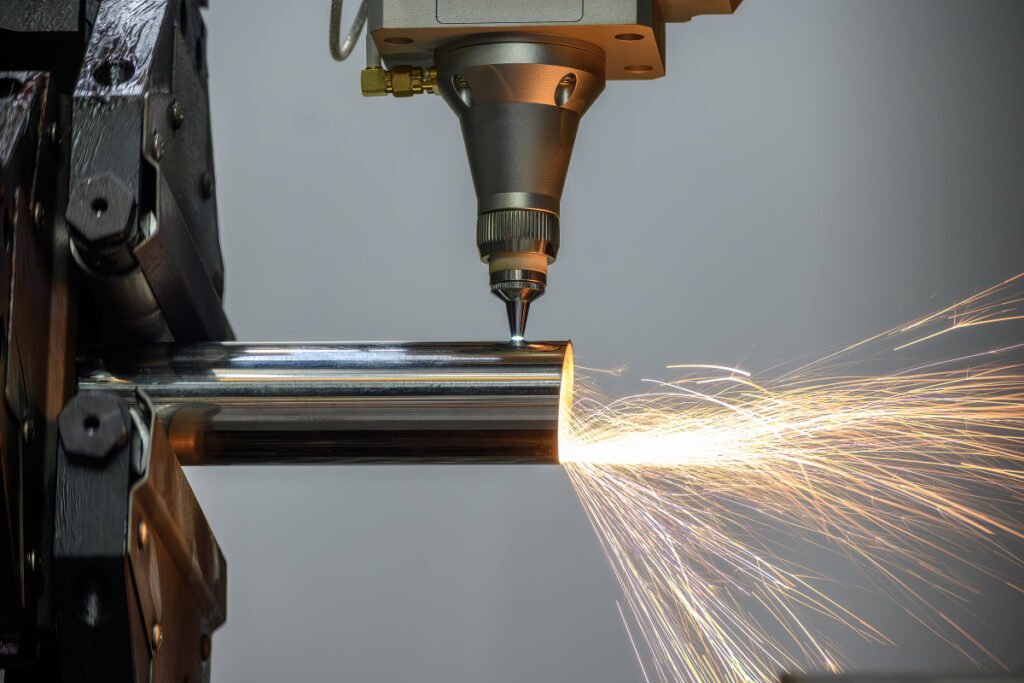
Introduction Traditional metal tube and profile processing relies heavily on manual cutting, sawing and secondary finishing, which leads to low precision, messy notches, heavy burrs and slow production efficiency. For structural steel profiles including square tubes, rectangular tubes, channel steel and H-beams, conventional processing methods struggle to meet the high-precision sizing, hole punching, grooving and […]
Read More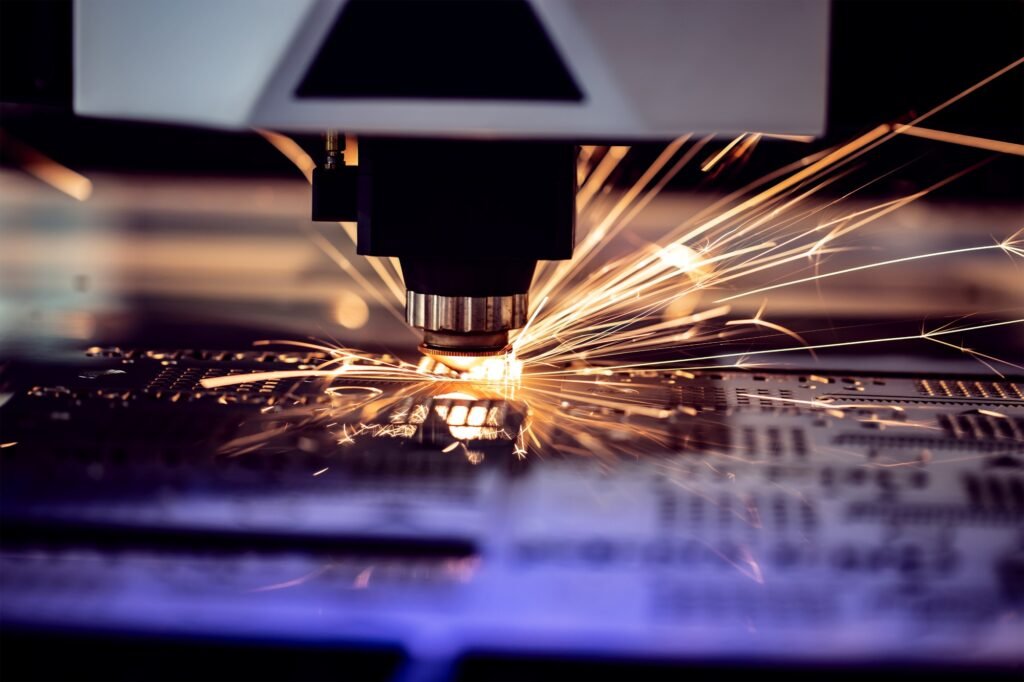
Introduction With the continuous upgrade of metal fabrication standards, conventional fixed-beam laser cutting faces obvious limitations when processing mixed materials and variable-thickness plates. Traditional laser beams feature a single energy distribution, which often leads to poor section flatness, edge oxidation, burr residues, and unstable cutting results when working with thick plates, thin sheets, or high-reflection […]
Read More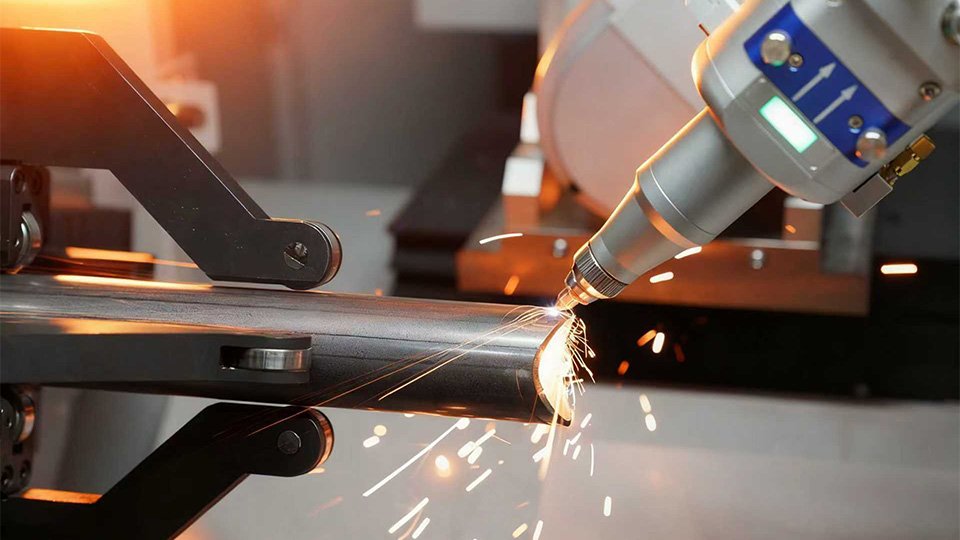
Introduction Traditional laser cutting only produces vertical edges, requiring additional manual chamfering, milling and grinding for welding preparation. For structural steel, engineering machinery parts and thick plate components, secondary bevel processing consumes massive labor and time, greatly delaying delivery cycles and increasing production costs. Laser bevel cutting technology has gradually become a standard solution for […]
Read More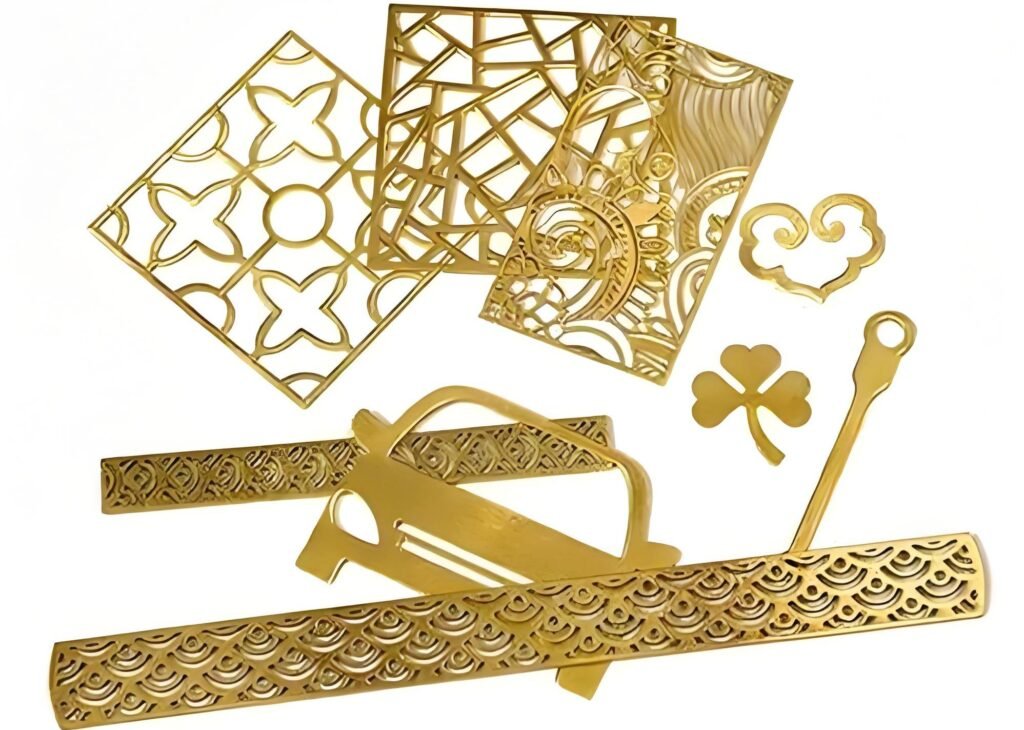
Introduction Carbon steel and stainless steel cutting is relatively mature and stable for most fiber laser machines. However, processing highly reflective metals such as aluminum, copper, and brass has always been a major technical challenge for metal fabricators. High-reflection materials easily reflect laser beams back to the laser generator, causing unstable cutting, poor edge quality, […]
Read More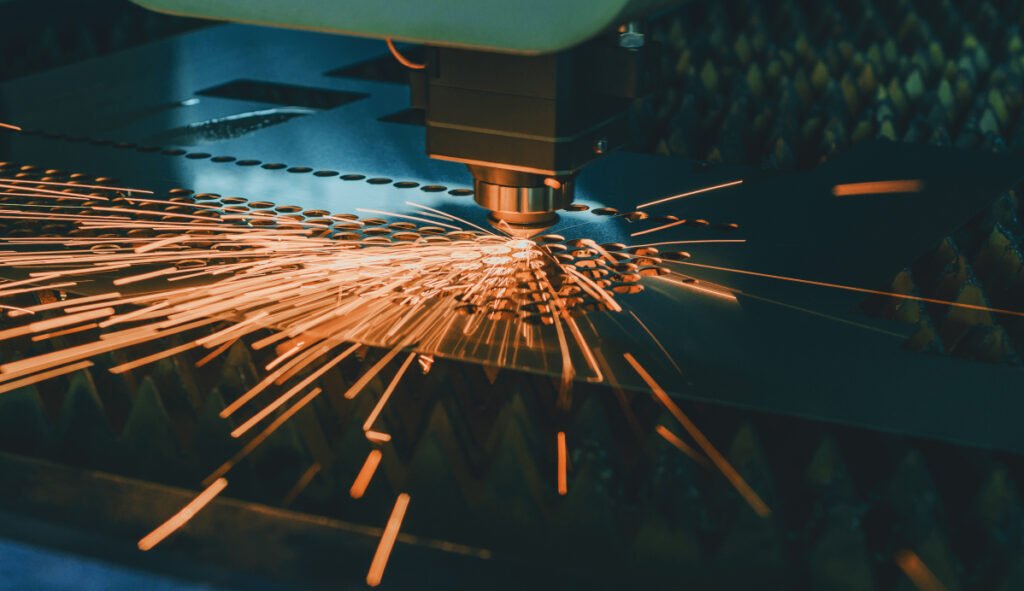
Introduction Incomplete cutting is one of the most frequent and troublesome failures in daily fiber laser processing. Many fabricators encounter situations where the laser cannot cut through metal plates, resulting in unseparated workpieces, continuous material connection, scattered cutting sparks, and low finished product yield. Incomplete cutting is not always caused by machine breakdown. Most problems […]
Read More
Introduction Stainless steel laser cutting is one of the most common yet challenging processes in metal fabrication. Unlike carbon steel, stainless steel features poor thermal conductivity and high melt viscosity, making it prone to dross adhesion, edge burrs, and rough cutting surfaces. Excessive burrs and slag will lead to time-consuming secondary polishing, increased scrap rates, […]
Read More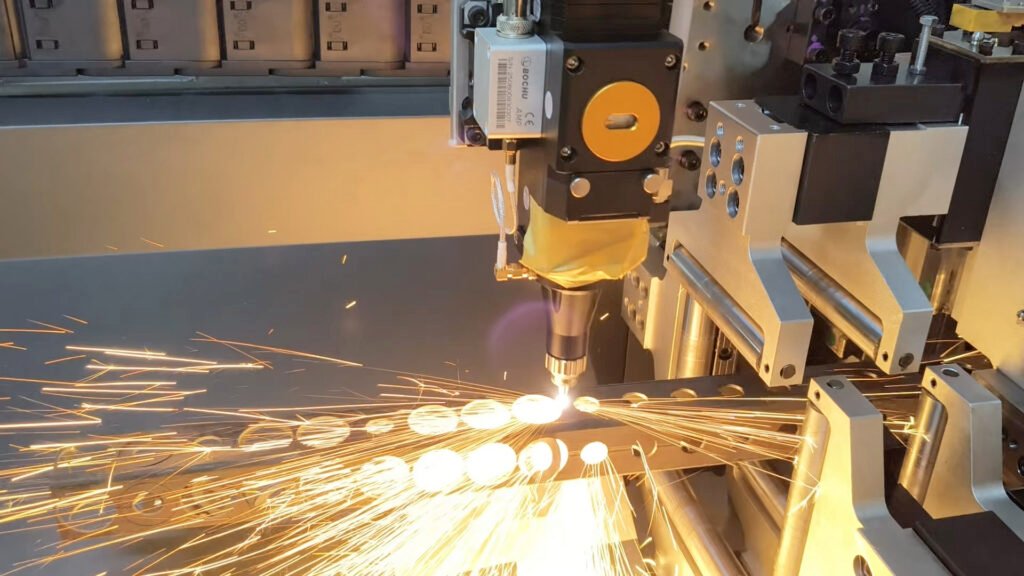
Introduction With the rapid development of the metal fabrication industry, customer requirements for cutting speed, plate thickness, surface quality and delivery efficiency continue to rise. Traditional medium-power laser cutting machines are gradually unable to meet the demands of thick plate processing and large-batch production. More and more metal workshops are considering upgrading to ultra-high-power laser […]
Read More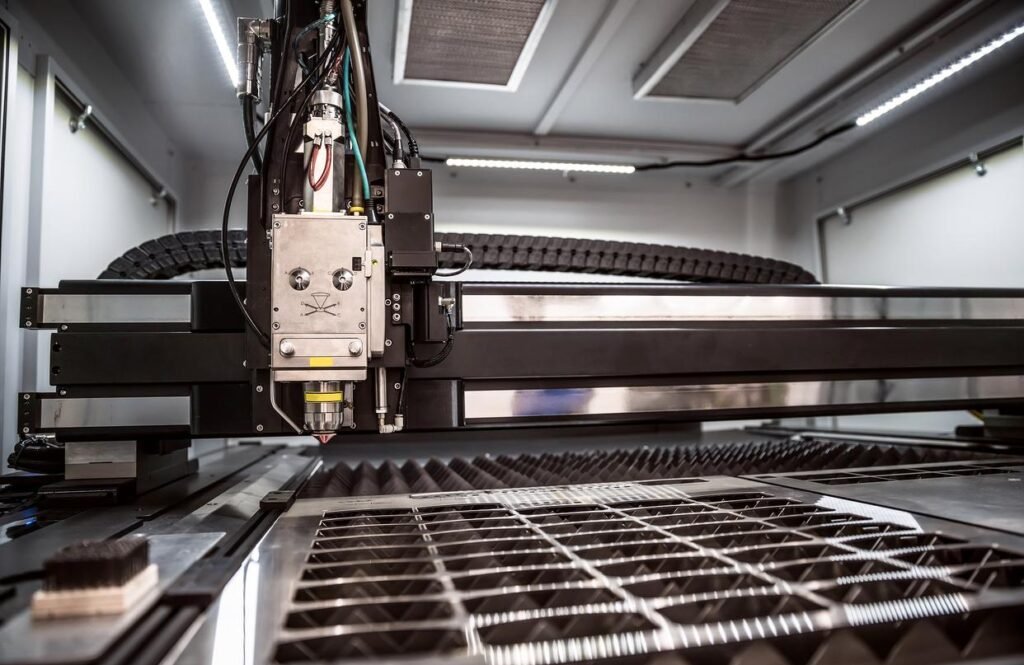
Introduction Buying a fiber laser cutting machine is a significant capital investment for metal fabrication workshops. Many buyers only focus on laser power and price during procurement while ignoring many critical factors, which later leads to low production efficiency, frequent equipment failures and poor return on investment. This article sorts out all core evaluation indicators […]
Read More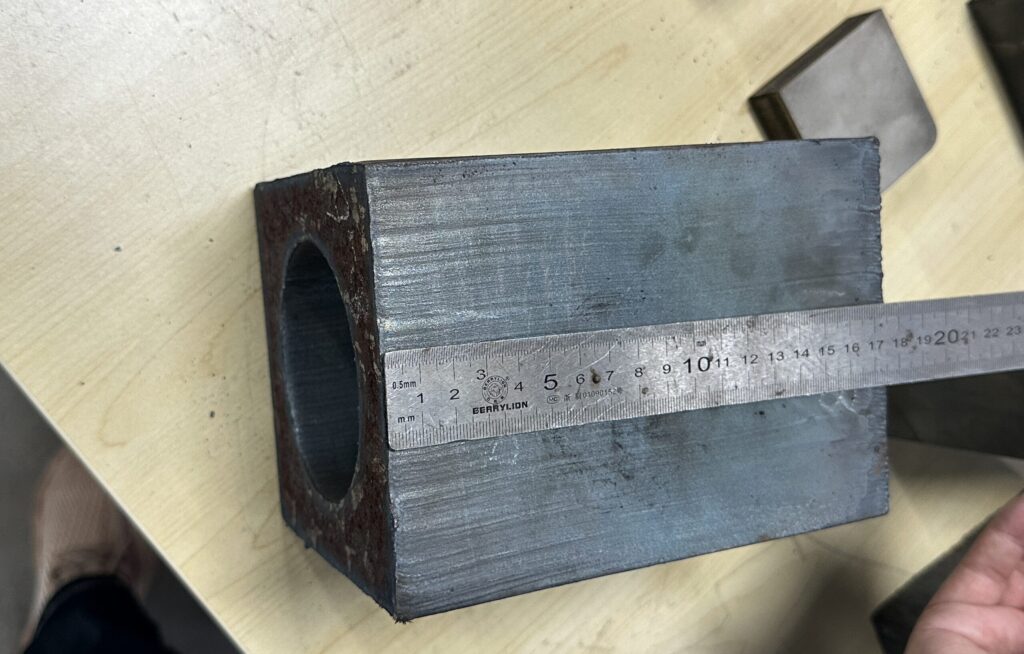
Introduction Thick carbon steel cutting is a core working procedure for steel structure factories, construction machinery manufacturers and heavy metal fabricators. Two mainstream processing tools dominate this field: fiber laser cutting machines and plasma cutters. Many factory owners struggle to pick the right equipment, confused by gaps in cutting precision, running costs, processing speed and […]
Read More
Introduction Metal fabricators constantly face rising operation costs, limited workshop space, and increasingly diversified order requirements. Traditional production solutions require separate flat laser cutters and professional tube laser cutters, which double the equipment investment, occupy more factory area, and require independent operating and maintenance teams. This greatly increases operational burdens and lowers overall profit margins. […]
Read MoreBaokunBaokun Laser is a top manufacturer of laser cutting equipment. Over the past 20 years, we've been supplying customers from more than 90 countries and regions. OEM ODM acceptable.
ENQUIRY NOW Optimized by Seraphinite Accelerator