

Introduction
Material waste is one of the biggest invisible losses in metal processing. Many laser cutting workshops face high scrap rates and low material utilization, which directly reduce profit margins.
Most cutting scraps are not caused by machine failure, but by unreasonable nesting, improper operation and material management problems. This article shares practical methods to reduce waste and maximize material usage.
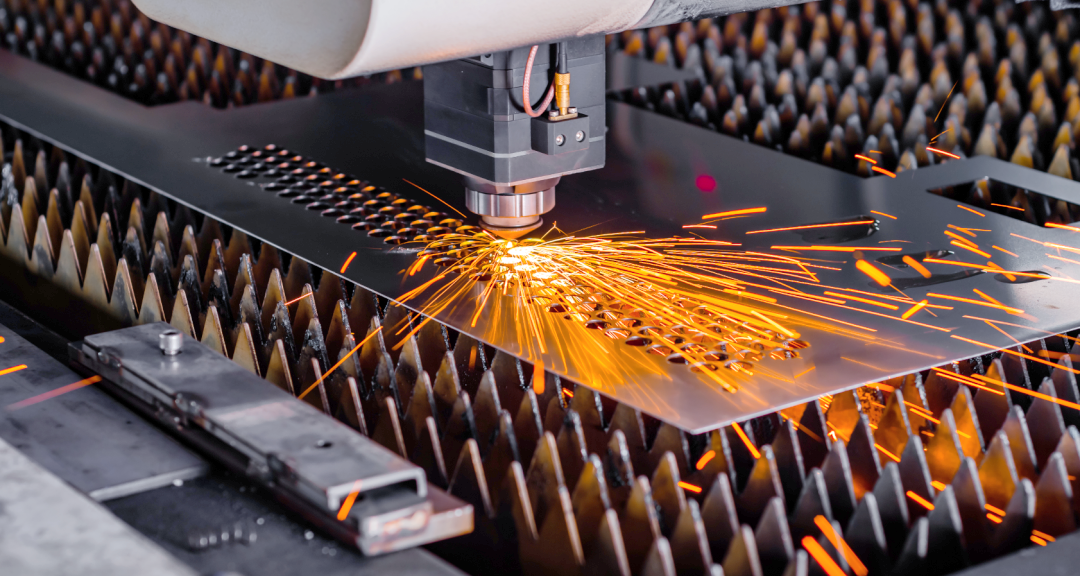
1. Use Professional Intelligent Nesting Software
Manual layout is inefficient and disordered, leaving many unused material gaps. Modern intelligent nesting software automatically arranges parts reasonably, mixes small and large workpieces, and greatly improves plate utilization.
Standard nesting programming can save 8%–15% raw materials every month, effectively reducing unnecessary waste.
2. Classify and Reuse Remaining Materials
Many operators discard leftover small plates directly after cutting. In fact, most residual plates can be stored and reused for small parts, gaskets and customized accessories.
Classify remaining materials according to thickness and material, establish a waste plate library, and prioritize residual plates for small orders to cut new material consumption.
3. Optimize Cutting Sequence and Process Parameters
Unreasonable cutting sequence easily causes plate deformation and displacement, leading to scrapped workpieces. Improper speed, power and gas pressure also produce defective parts.
Optimize the cutting path to avoid plate warping. Match accurate parameters according to material thickness to reduce burrs, over-cutting and workpiece scrapping.
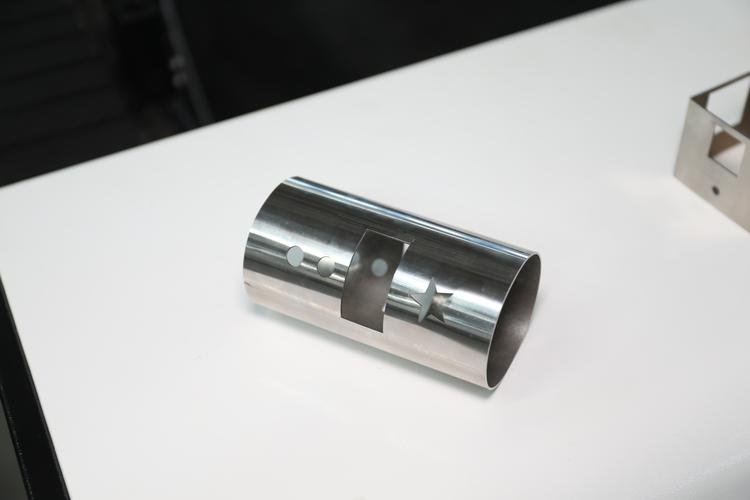
4. Avoid Improper Manual Operation
Wrong operation habits are a major cause of scraps. Improper clamping, dirty plate surface, and inaccurate origin positioning will result in dimensional errors.
Standardize pre-cut inspection: clean the plate, fix the workpiece firmly, and calibrate the machine origin before formal cutting to avoid batch defective products.
5. Strictly Control Material Quality
Oxidized, deformed, impure or unqualified metal plates often cause cutting failure. Even with correct parameters, poor materials lead to incomplete cutting and scrapping.
Check material flatness and surface quality before production, and isolate unqualified plates in advance.
6. Regular Machine Calibration and Maintenance
Mechanical deviation, guide rail wear and beam drift will cause dimensional deviation during long-term operation, resulting in continuous defective workpieces.
Regularly calibrate machine accuracy, clean optical components and maintain transmission systems to ensure stable and consistent cutting quality.
Conclusion
High scrap rates are avoidable through scientific nesting, standardized operation, material reuse and daily machine maintenance.
Improving material utilization is the most direct way to increase profits for metal fabrication factories. Reasonable production management can greatly reduce costs and enhance market competitiveness.
If you need professional nesting suggestions or process optimization solutions, contact our technical team for free guidance.
