

Auxiliary gas is a critical factor that directly decides cutting edge quality, processing speed and operating cost for fiber laser cutters.
Many fabricators pick gas only by experience, which easily leads to poor workpiece finish, excessive consumption and higher production expenses.
Understanding the features and suitable scenarios of each common auxiliary gas helps you make smarter choices for different metal materials.
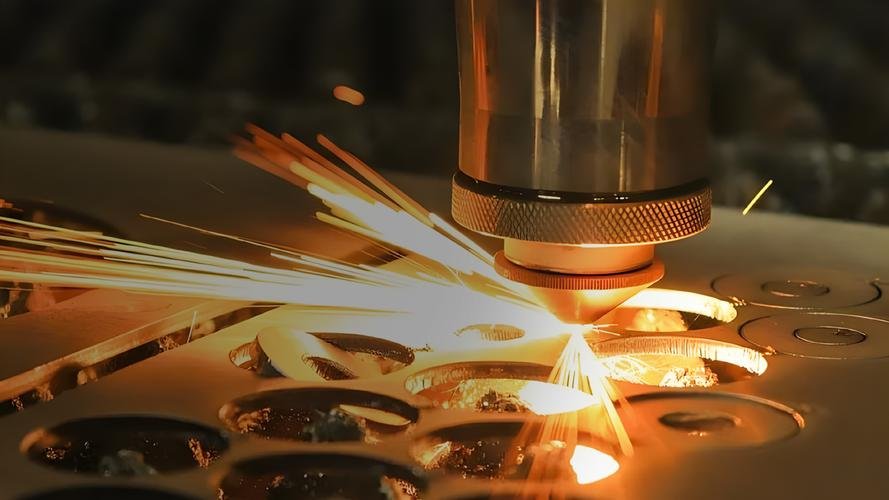
Nitrogen Cutting
Nitrogen works as a protective gas. It blows away molten metal without chemical oxidation on the cutting surface.
The finished edge stays bright and clean, requiring little or no secondary grinding. It fits stainless steel, aluminum alloy, brass and other high reflective metals, especially thin and medium-thickness sheets for precision parts.
The main downside is higher gas cost. For mass production, on-site nitrogen generators can effectively lower long-term gas expenditure instead of bottled nitrogen.
Oxygen Cutting
Oxygen supports combustion during cutting. It reacts with carbon steel to release extra heat, boosting cutting capacity for thick plates.
Oxygen can cut thick carbon steel efficiently at relatively low cost. But oxidation will form a dark oxide layer on the cut edge. Post-processing such as sandblasting or grinding is usually needed to remove the oxide scale.
It is widely used for thick carbon steel structural components, where surface brightness is not a strict requirement. Oxygen is not recommended for stainless steel or aluminum, as oxidation ruins surface quality.
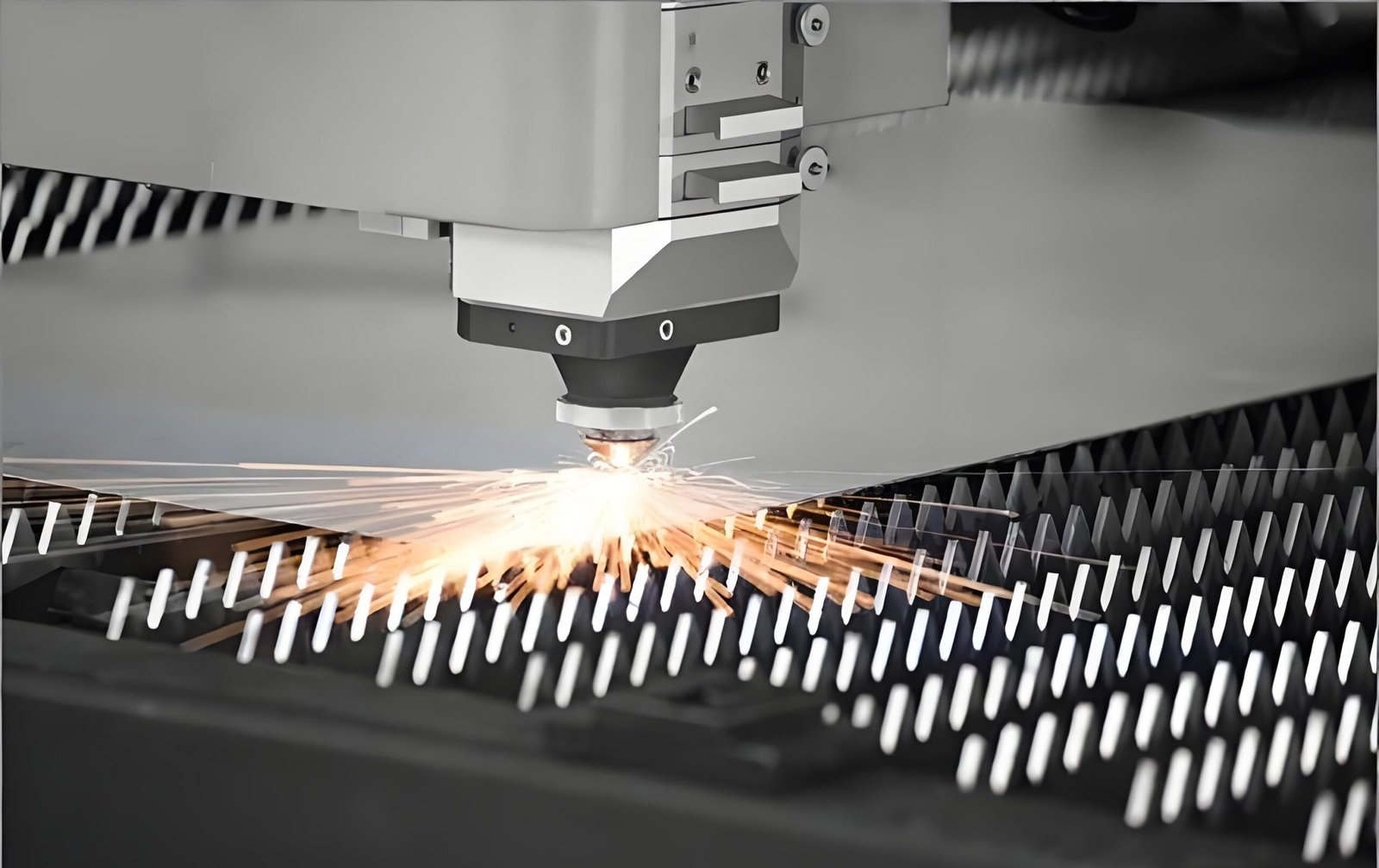
Compressed Air Cutting
Compressed air contains about 21% oxygen, combining partial oxidation and blowing function.
It is the cheapest option among the three gases, ideal for low-demand carbon steel and thin sheet prototypes. However, cutting edges have heavy oxidation, and the cutting speed and finish cannot compare with nitrogen.
Note that the air compressor must be equipped with drying and filtering units. Water, oil and dust in unpurified compressed air will contaminate protective lenses and shorten the service life of laser components.
Quick Selection Guide by Material
- Carbon steel (thick plate): Oxygen
- Carbon steel (thin plate, low requirement): Compressed air
- Stainless steel, aluminum, copper alloy: Nitrogen
Cost & Quality Balancing Tips
Do not blindly use nitrogen for all workpieces. Classify your orders by surface standard. Use oxygen or compressed air for non-visible structural parts to save gas cost. Keep gas pipelines leak-free; tiny leaks cause continuous gas waste. Regularly check gas filters to guarantee stable gas purity.
Conclusion
There is no universal best auxiliary gas. The right selection depends on workpiece material, plate thickness, surface quality requirement and budget.
Matching gas type correctly reduces scrap rate, shortens post-processing time and optimizes your workshop’s overall profit margin.
