

Introduction
With the continuous upgrade of metal fabrication standards, conventional fixed-beam laser cutting faces obvious limitations when processing mixed materials and variable-thickness plates. Traditional laser beams feature a single energy distribution, which often leads to poor section flatness, edge oxidation, burr residues, and unstable cutting results when working with thick plates, thin sheets, or high-reflection metals.
Dynamic beam laser technology has become a breakthrough solution for modern high-precision laser processing. By flexibly adjusting the laser beam mode, energy density, and spot shape in real time, it greatly optimizes cutting performance for various challenging materials. This article explains how dynamic beam technology improves overall laser cutting quality and production stability.
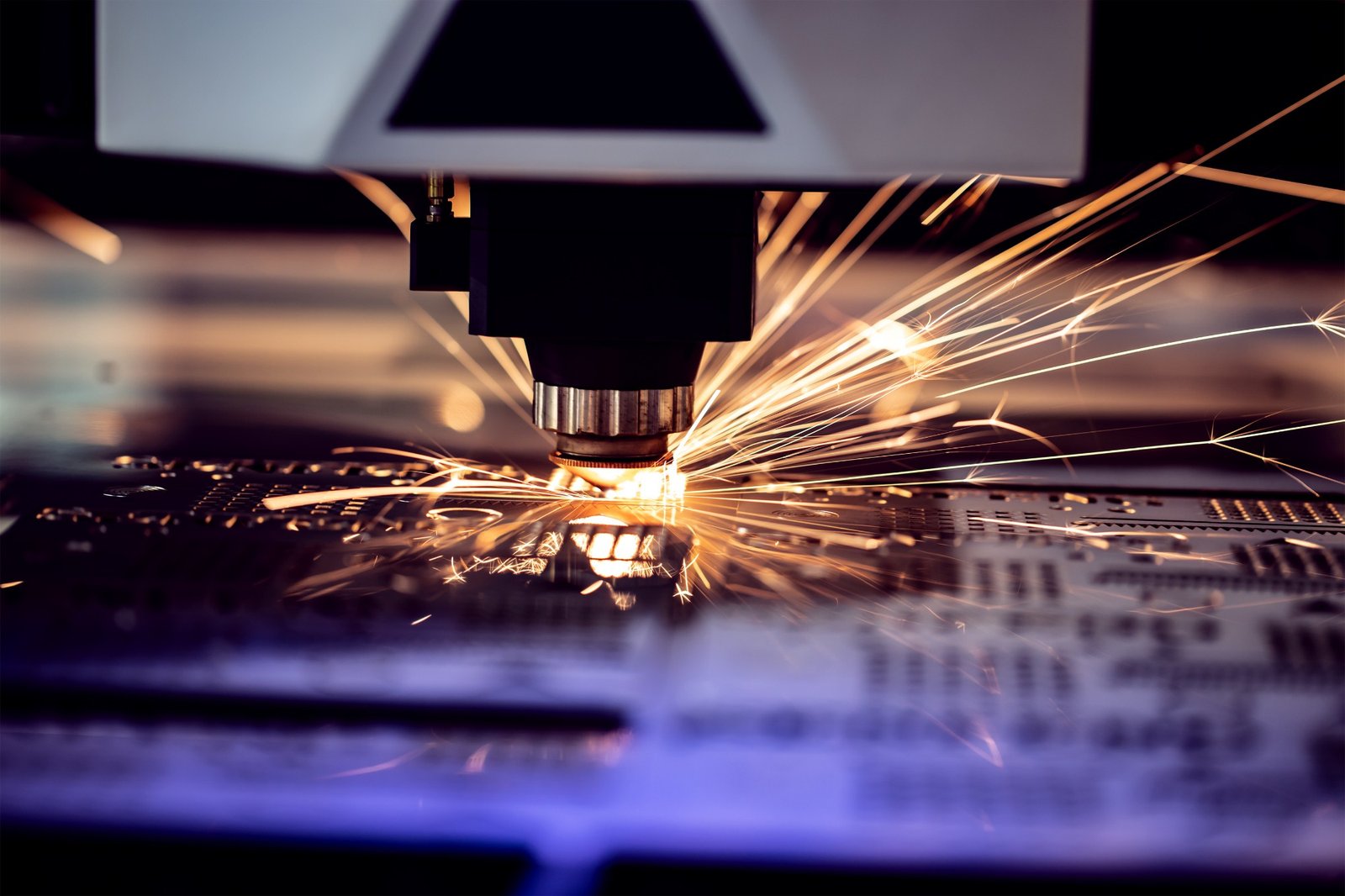
1. Adaptive Beam Mode for Different Materials
Traditional fiber lasers use a fixed single beam profile, which cannot adapt to diversified processing requirements. Dynamic beam laser systems can switch between Gaussian beam and flat-top beam modes automatically according to material type and plate thickness.
For thin-sheet high-speed cutting, a concentrated Gaussian beam ensures fast penetration and sharp edges. For thick plates and reflective metals, the flat-top beam delivers uniform energy distribution, effectively eliminating uneven cutting sections and improving overall surface finish.
2. Solve Common Defects in Thick Plate Cutting
Thick carbon steel and stainless steel cutting with traditional lasers often results in tapered kerfs, vertical stripes, and rough cross-sections. Uneven energy distribution causes inconsistent melting speed from the top to the bottom of the plate.
Dynamic beam technology optimizes energy transmission throughout the cutting process. It balances the melting speed of the upper and lower plate layers, reduces kerf taper, and achieves smoother, vertically straight cutting sections with fewer tool marks.

3. Greatly Optimize High-Reflection Metal Processing
Aluminum, copper, and brass have always been difficult materials for fixed-beam lasers due to high reflectivity and fast heat dissipation. Unmatched beam energy easily causes unstable penetration and residual burrs.
Dynamic beam adjustment changes the laser energy density and spot characteristics in real time, improving laser absorption rate on reflective metals. It suppresses back reflection risks, realizes stable burr-free cutting, and significantly increases finished product yield for non-ferrous metals.
4. Reduce Edge Oxidation and Thermal Deformation
Fixed laser energy often causes excessive local heating, leading to edge burning, oxidation discoloration, and thermal deformation, especially during high-speed continuous production.
Dynamic beam technology precisely controls energy output according to cutting speed and plate thickness. It concentrates energy where penetration is needed and disperses excess heat appropriately, effectively reducing heat-affected zones, eliminating edge oxidation, and maintaining clean, bright cutting edges.
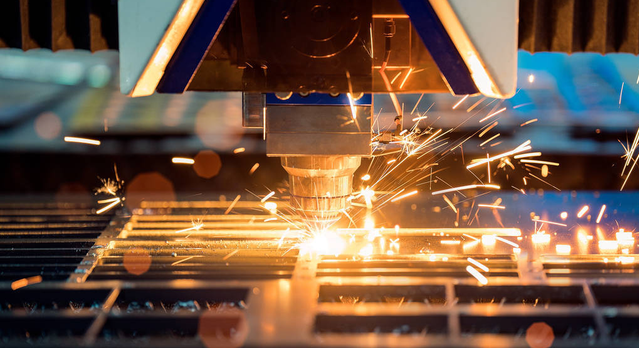
5. Improve Cutting Consistency for Batch Production
In mass processing, traditional laser equipment gradually produces unstable cutting quality due to temperature rise and beam drift. Batch workpieces often have inconsistent edge effects.
Dynamic beam laser systems support real-time closed-loop beam calibration. It automatically compensates beam deviation caused by long-term operation, ensuring identical cutting quality for the first piece and the last piece in batch production. This greatly reduces manual inspection and rework rates.
6. Lower Comprehensive Operating Costs
Dynamic beam laser machines reduce reliance on complex manual parameter debugging. Operators do not need to repeatedly adjust power, speed, and focus for different materials. Intelligent beam adaptation simplifies operation, improves production efficiency, and lowers defective rates.
Better cutting quality also reduces post-processing workload such as polishing and deburring, saving long-term labor and time costs for metal fabrication workshops.
Conclusion
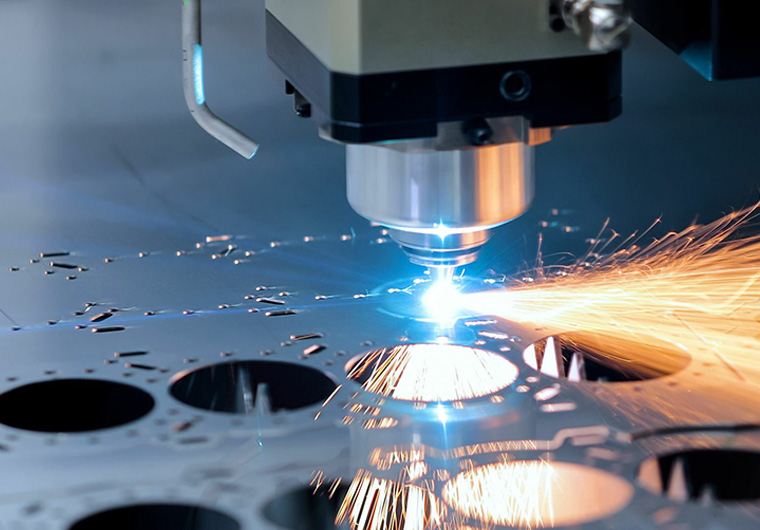
Dynamic beam technology solves the core pain points of traditional fixed laser cutting, including poor material adaptability, unstable thick-plate quality, and low yield of reflective metals. It significantly improves cutting flatness, edge smoothness, and batch consistency.
As the mainstream trend of high-end laser cutting equipment, dynamic beam laser systems help metal processing factories achieve higher precision, higher efficiency, and lower production costs.
If you want to upgrade your laser equipment with dynamic beam technology or obtain material-specific cutting solutions, contact our professional technical team for customized support.
