

Introduction
Traditional laser cutting only produces vertical edges, requiring additional manual chamfering, milling and grinding for welding preparation. For structural steel, engineering machinery parts and thick plate components, secondary bevel processing consumes massive labor and time, greatly delaying delivery cycles and increasing production costs.
Laser bevel cutting technology has gradually become a standard solution for high-end metal fabrication. It can complete one-time forming of V-bevel, K-bevel, Y-bevel and other angled edges during laser cutting, perfectly eliminating secondary machining procedures. This article introduces the core advantages and industrial value of laser bevel cutting machines.
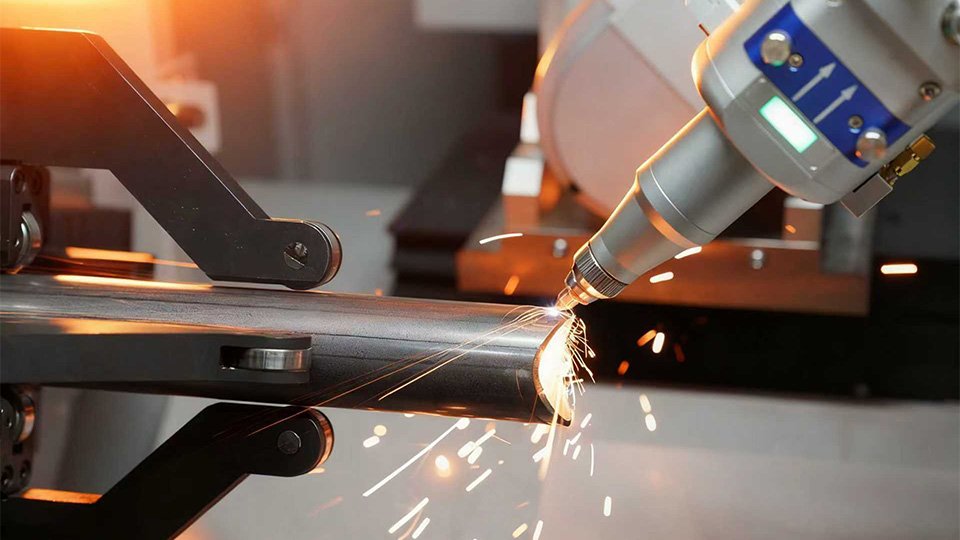
1. One-Time Forming, No Secondary Chamfering Required
The biggest advantage of a laser bevel cutting machine is integrated cutting and beveling. Traditional flat laser machines only produce vertical edges, which must be sent for milling or grinding before welding.
The bevel laser cutter adjusts the cutting angle dynamically during operation, directly forming standard welding bevels on the plate edge. One-step processing meets welding requirements, removing the need for secondary chamfering machines and manual polishing.
2. Greatly Improve Production Efficiency
Secondary processing is extremely time-consuming, especially for batch thick-plate structural parts. Traditional multi-process workflow includes cutting, transportation, milling, inspection and assembly, which seriously restricts production capacity.
Laser bevel cutting shortens the entire production process into one single step. It effectively reduces workpiece handling time, lowers waiting time between processes, and significantly improves overall workshop productivity and delivery speed.
3. Higher Bevel Precision and Welding Quality
Manual or mechanical chamfering often results in uneven angles, inconsistent edge flatness and dimensional errors. Unstandard bevel surfaces directly affect welding quality and cause welding defects such as incomplete fusion, air holes and deformation.
Laser bevel cutting achieves precise angle control with high repeatability. Uniform bevel surfaces provide perfect welding conditions, stabilize welding quality, and reduce post-weld correction and repair rates.
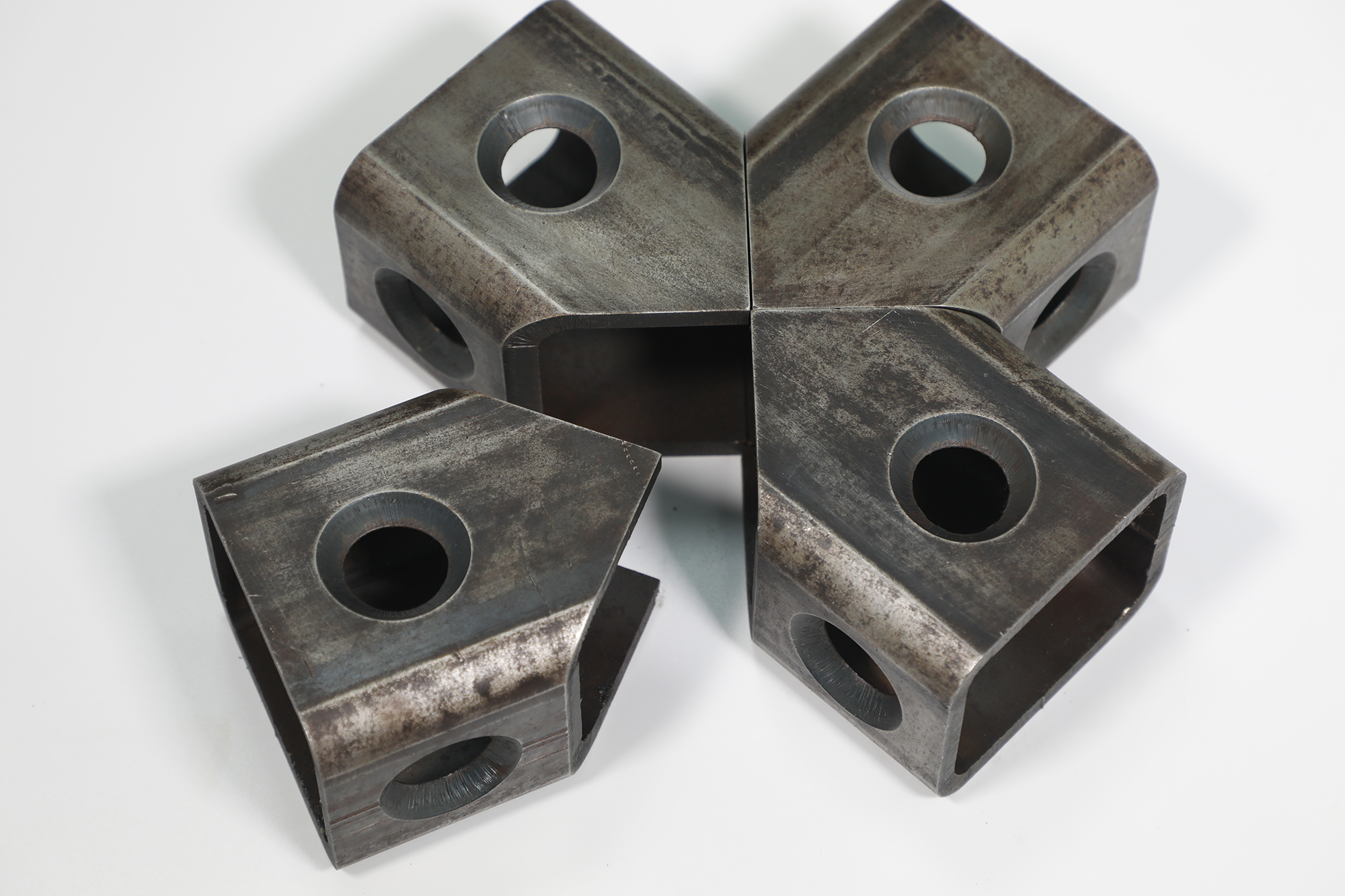
4. Reduce Comprehensive Production Costs
Enterprises using traditional processes need to configure additional milling equipment, professional operators and independent processing areas, resulting in high labor and equipment investment.
Bevel laser machines integrate all processes into one device, saving workshop space, reducing labor demand, and lowering equipment purchase and maintenance costs. Fewer processing steps also reduce defective rates and improve material utilization.
5. Support Multiple Bevel Types for Diversified Needs
Modern laser bevel cutting systems support various bevel forms, including V, Y, K, X and U bevels. It can flexibly switch different bevel angles and depths according to engineering drawing requirements.
It is widely applicable for thick carbon steel, stainless steel and alloy steel components used in construction machinery, steel structure engineering, pressure vessels and heavy equipment manufacturing.
6. Strong Adaptability for Thick Plate Processing
Thick plate beveling is the most difficult part of traditional machining, with low efficiency and poor consistency. Ultra-high-power bevel laser cutters can stably complete high-precision bevel forming for thick plates from 20mm to 100mm.
Compared with mechanical milling, laser beveling causes no mechanical extrusion deformation and maintains better flatness and edge consistency on thick workpieces.
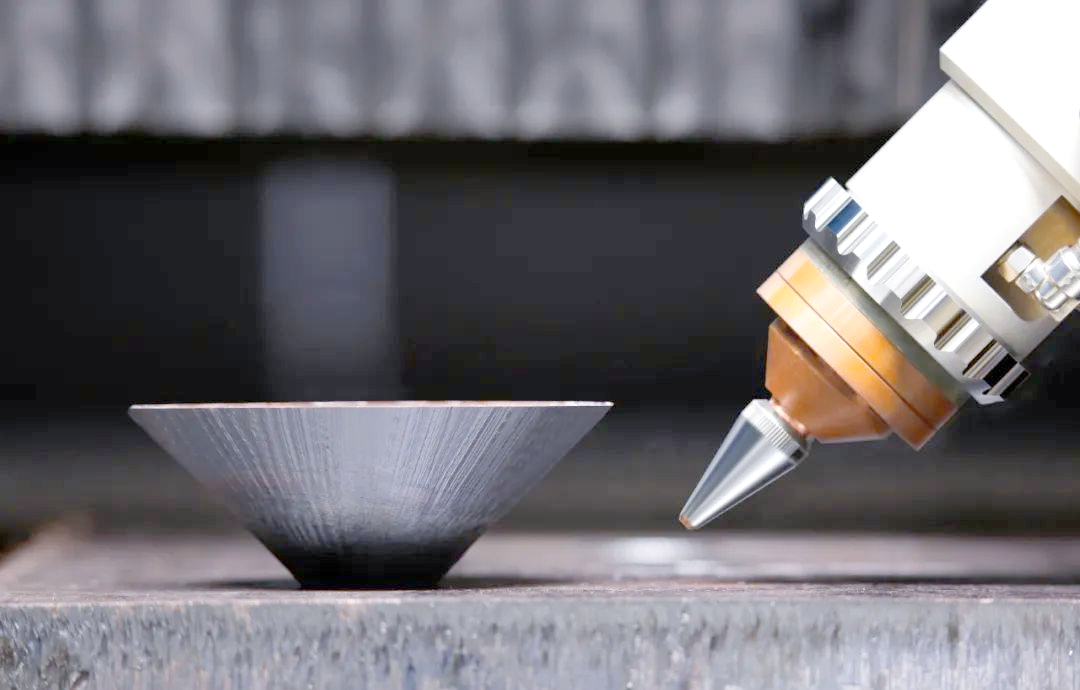
Conclusion
Laser bevel cutting technology completely changes the traditional processing mode of separate cutting and chamfering. It helps metal fabrication factories improve efficiency, stabilize quality, reduce labor costs and enhance overall competitiveness.
For enterprises focusing on steel structures, engineering machinery and thick plate welding parts, upgrading to a laser bevel cutting machine is an effective way to achieve intelligent and high-efficiency production.
If you want to know more about bevel cutting parameters and applicable processing ranges, feel free to contact our professional team for detailed technical consultation.
