

Introduction
Carbon steel and stainless steel cutting is relatively mature and stable for most fiber laser machines. However, processing highly reflective metals such as aluminum, copper, and brass has always been a major technical challenge for metal fabricators.
High-reflection materials easily reflect laser beams back to the laser generator, causing unstable cutting, poor edge quality, and even potential damage to optical components. Many workshops suffer from low yield, frequent slag residue, and unstable batch production when processing aluminum and copper.
This article analyzes the core difficulties of reflective metal cutting and shares practical processing tips to help you achieve stable, high-quality aluminum and copper laser cutting.
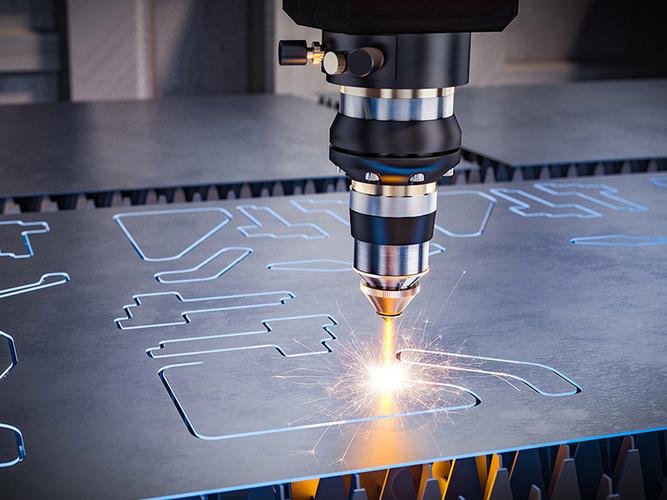
1. Core Cutting Challenges for Reflective Metals
High Laser Reflectivity
Aluminum and copper have extremely high light reflectivity at fiber laser wavelengths. A large portion of laser energy is reflected instead of being absorbed by the material, resulting in low cutting efficiency and insufficient melting power.
Fast Heat Conduction
These non-ferrous metals feature fast thermal conductivity. Laser heat diffuses quickly around the cutting kerf, making it hard to concentrate energy for penetration and easily causing wide cutting seams and edge deformation.
Easy Generation of Burrs and Uneven Sections
Due to unbalanced energy absorption and heat dissipation, molten metal is difficult to blow off cleanly, resulting in stubborn bottom burrs, sticky slag, and uneven cutting surfaces.
Risk of Back Reflection Damage
Uncontrolled reflected laser light may return along the beam path, polluting lenses or damaging the laser source, bringing hidden equipment risks during long-term processing.
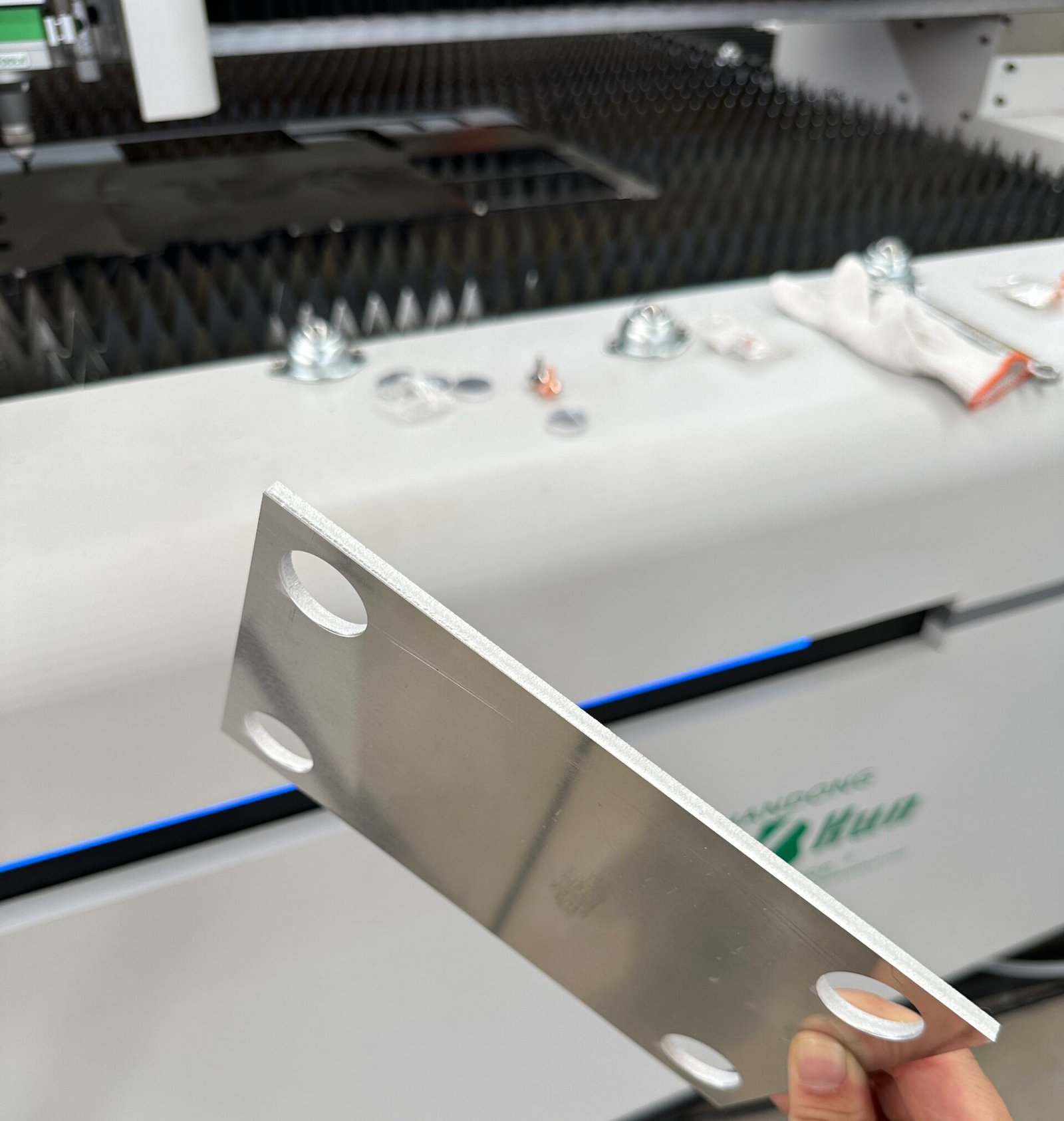
2. Machine Configuration Optimization for Aluminum & Copper Cutting
Anti-Reflection Laser Technology
Modern high-power fiber lasers are equipped with advanced anti-reflection protection systems, which effectively isolate reflected light and protect internal optical components. If your workshop frequently processes copper and aluminum, an upgraded anti-reflection laser source is essential.
High-Quality Cutting Head & Nozzle Matching
Specialized high-reflection cutting heads and double-layer nozzles concentrate laser energy and stabilize gas flow. They greatly improve energy utilization and reduce back-reflection risks compared with ordinary cutting heads.
3. Scientific Parameter Setting Skills
Proper Power Upgrade
Reflective metals require higher laser power than carbon steel of the same thickness. Appropriately increasing power ensures sufficient energy absorption and stable penetration.
Optimized Cutting Speed
Copper and aluminum cannot be processed too slowly. Excessively low speed causes excessive heat diffusion and edge melting. A balanced high-speed cutting parameter can produce cleaner kerfs and minimize thermal deformation.
Accurate Focus Position Calibration
Adjust the focus position slightly negative to gather more energy inside the material, improving penetration effect and reducing surface reflection interference.

4. Reasonable Selection of Auxiliary Gas
Nitrogen is the preferred auxiliary gas for aluminum and copper cutting. High-pressure nitrogen quickly blows away molten metal, prevents adhesion of burrs, and forms a cooling protection layer to reduce thermal diffusion.
Avoid using air or low-purity gas, which will cause oxidation lines, rough edges and unstable cutting results. Maintaining stable and continuous high gas pressure is critical for thin and medium-thick aluminum and copper plates.
5. Material Preprocessing Methods
Remove surface oxide layers, oil stains and dust before cutting. Dirty surfaces will cause uneven laser reflection and lead to inconsistent cutting quality.
For ultra-thick aluminum and copper plates, partial pre-scoring and layered cutting can effectively avoid unpenetrated areas and improve overall yield.
6. Daily Protection & Maintenance Tips
Clean protective lenses and nozzles before processing reflective metals. Dirty optical parts aggravate beam divergence and reflection instability.
Avoid long-time uninterrupted heavy cutting of copper materials. Proper interval cooling helps stabilize laser output and extend the service life of optical components.
Conclusion
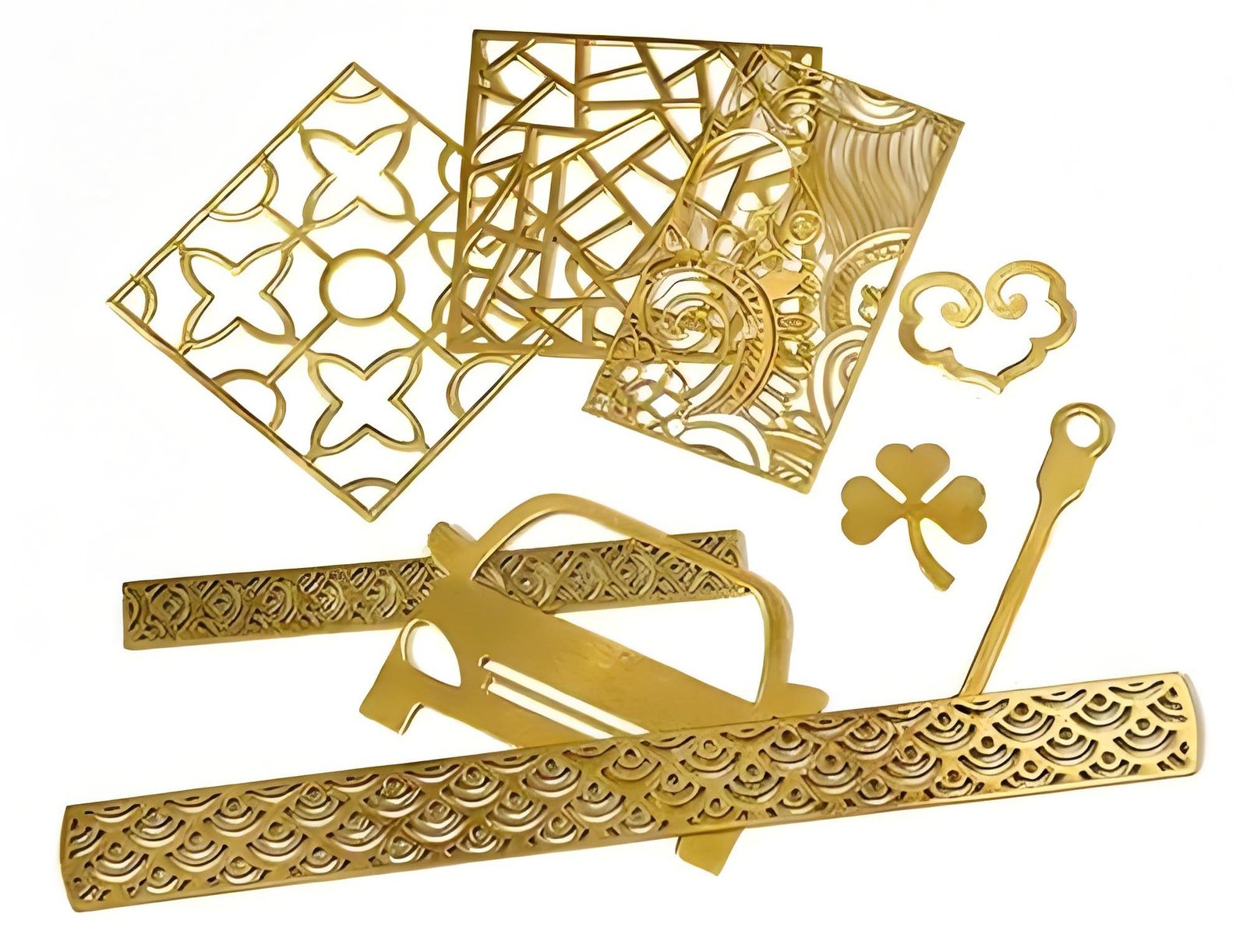
The difficulties of laser cutting aluminum and copper mainly lie in high reflectivity, fast heat dissipation and unstable energy absorption. With anti-reflection equipment configuration, scientific parameter calibration, standard gas matching and regular maintenance, fabricators can completely achieve high-precision, burr-free reflective metal processing.
If you need stable parameter templates for different thicknesses of aluminum and copper, our technical team can provide customized reflective metal cutting solutions for your fiber laser machine.
