

High‑reflective materials such as copper, brass, and aluminum are always challenging for fiber laser cutters. Strong reflected laser light may bounce back toward the laser source, which could potentially damage your laser generator.
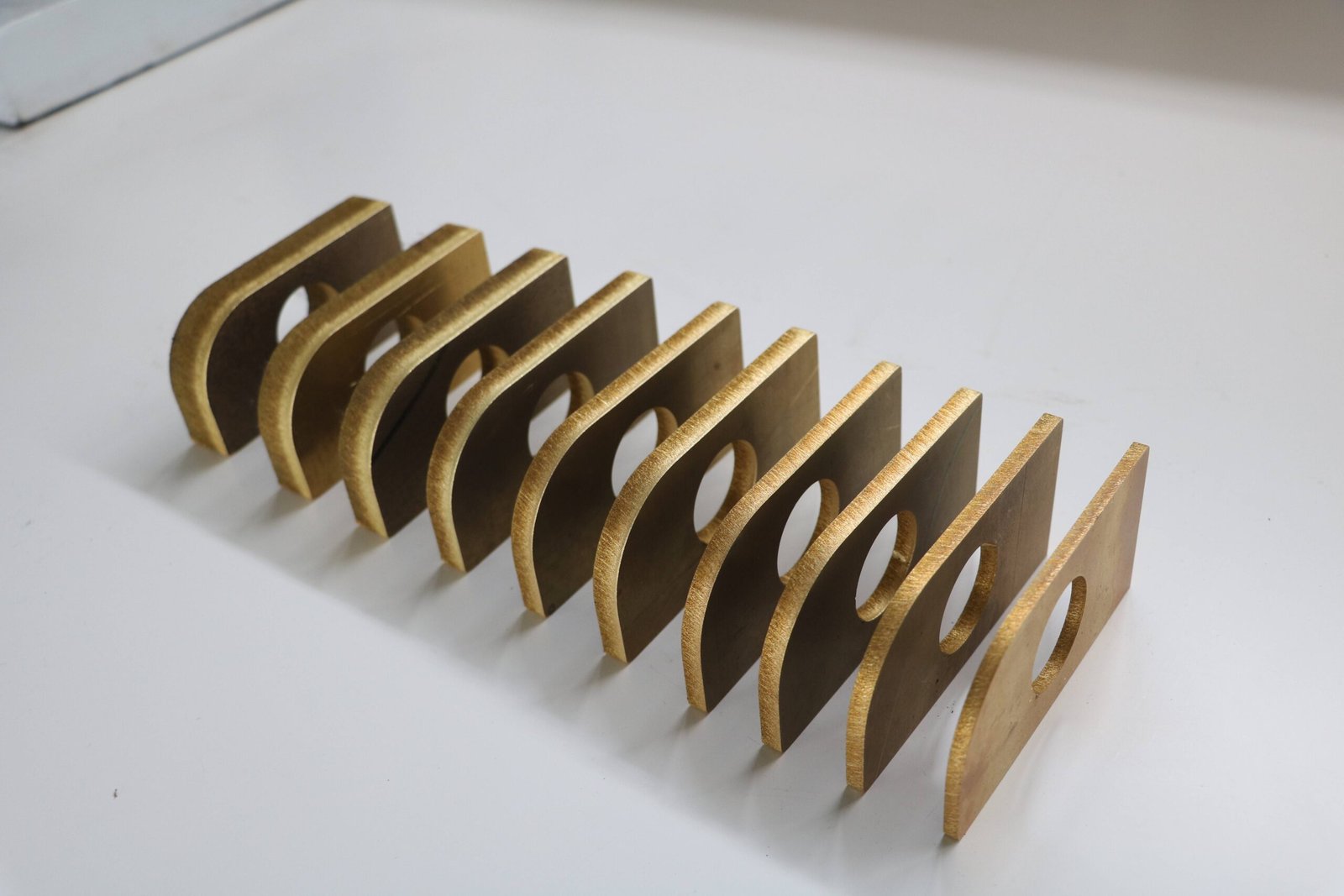
Main risks of high‑reflective material cutting
- Back‑reflected laser energy returns to the laser head and resonator.
- Unstable cutting results: rough cuts, inconsistent penetration, frequent sparks splashing.
- Internal component damage of the laser source in serious cases.
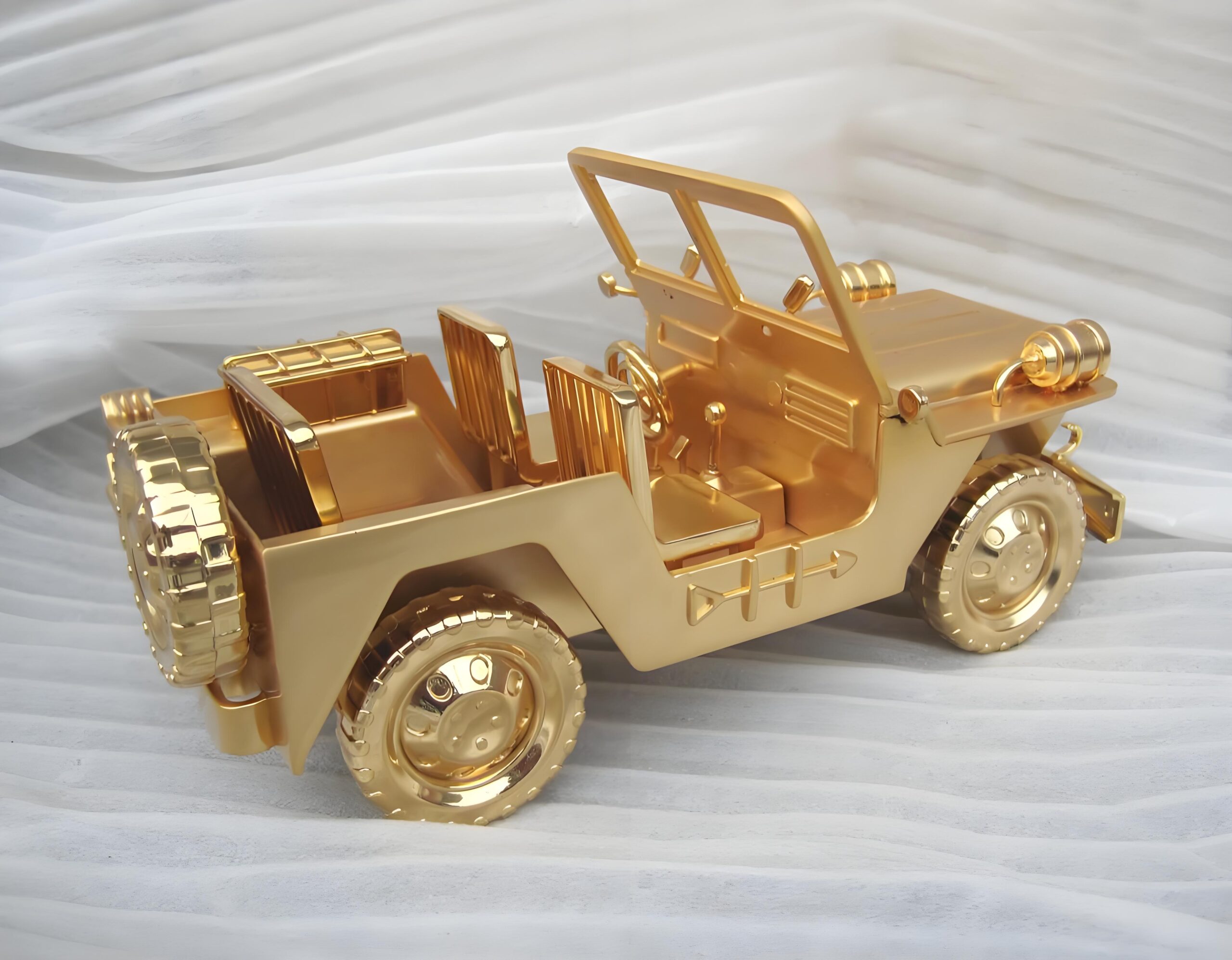
Practical solutions
-
Adjust laser cutting parameters
Reduce peak power appropriately, adopt pulse mode instead of continuous output. Lower cutting speed is not always helpful; you need to balance power and feed rate. -
Use anti‑reflection monitoring function
Turn on the built‑in back‑reflection protection of your laser system. Once abnormal reflected light is detected, the machine will give an alarm or pause cutting automatically. -
Optimize nozzle and gas selection
Pick a larger‑diameter nozzle. Nitrogen is the preferred auxiliary gas for brass and copper cutting. Keep the gas pressure stable during the whole cutting process. -
Improve sheet fixing
Make sure the metal sheet lies flat without shaking. Any gap between the plate and worktable will worsen back‑reflection.
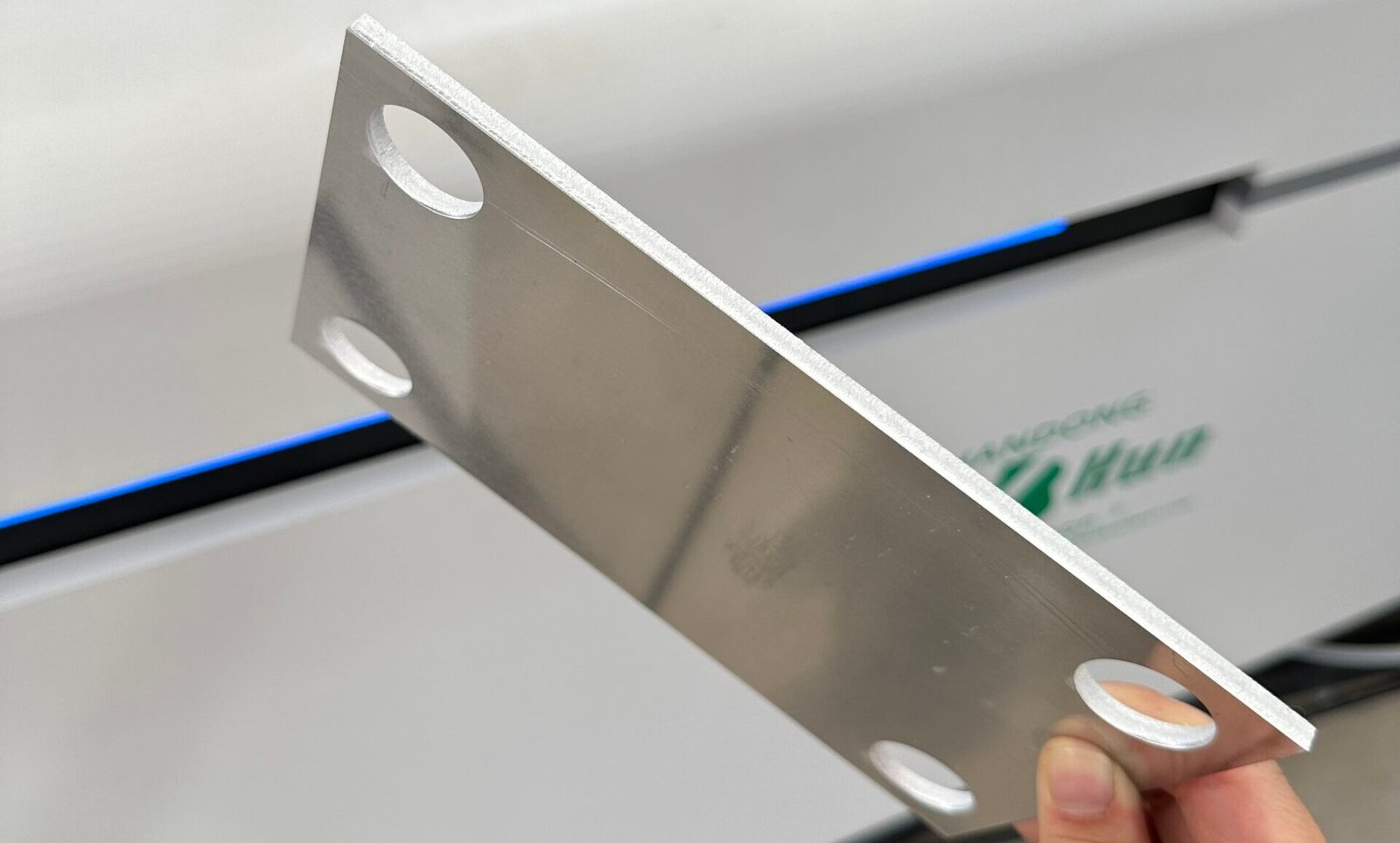
Daily operation tips
Do not repeatedly cut the same position on copper or aluminum plates. Before formal batch production, always run small test cuts first to confirm parameter performance. If persistent reflection alarms pop up, stop the machine immediately and check your settings.
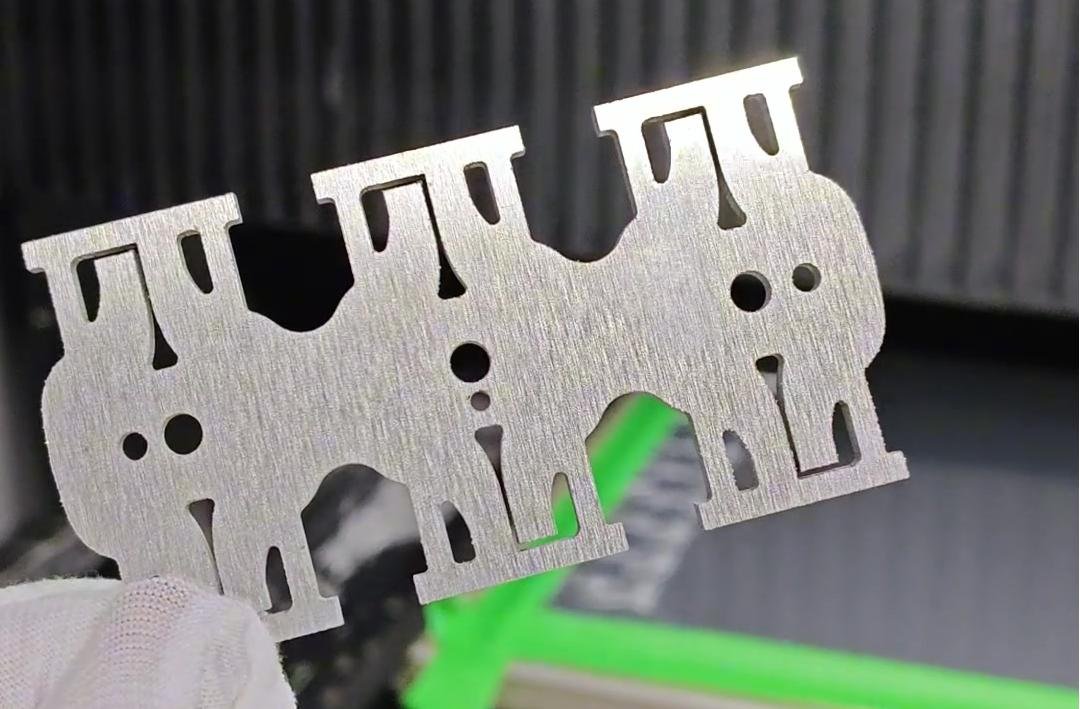
Final summary
Cutting high‑reflective metals cannot rely only on higher laser power. Reasonable parameter matching plus back‑reflection protection is the key to stable production and protecting your laser equipment.
