
Introduction
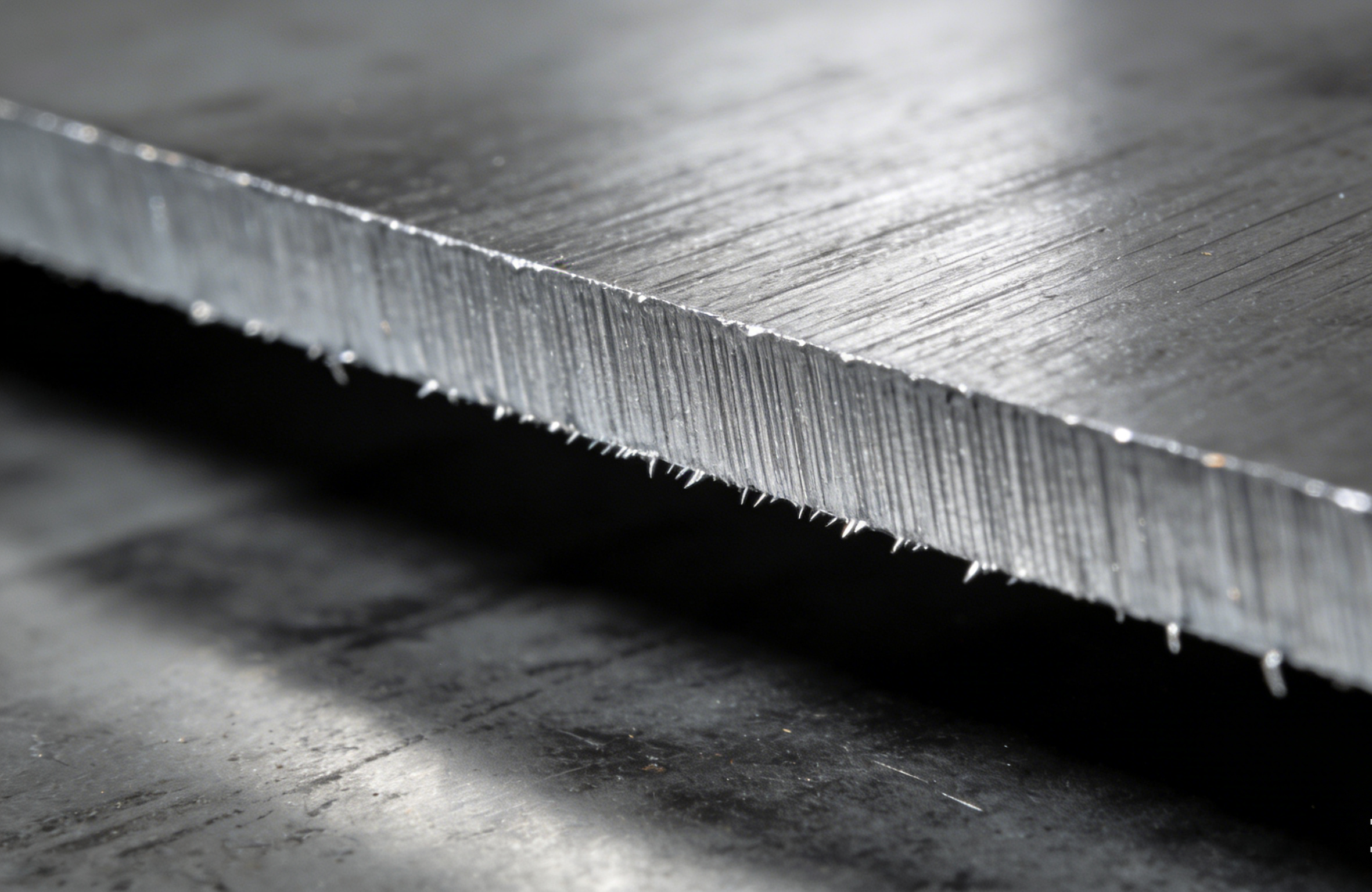
Stainless steel laser cutting is one of the most common yet challenging processes in metal fabrication. Unlike carbon steel, stainless steel features poor thermal conductivity and high melt viscosity, making it prone to dross adhesion, edge burrs, and rough cutting surfaces. Excessive burrs and slag will lead to time-consuming secondary polishing, increased scrap rates, and higher production costs.
Most cutting defects are caused by improper parameter settings, unstable gas supply, or daily operation errors rather than equipment failure. This article summarizes practical and effective solutions to reduce stainless steel dross and burrs, helping you improve cutting quality and minimize post-processing work.
1. Optimize Laser Power and Cutting Speed Matching
Unmatched power and speed are the primary causes of stainless steel burrs. Low power with excessive speed results in incomplete penetration and sticky slag. On the contrary, overly slow speed with high power causes overheating, melting edge oxidation, and rough kerfs.
For different stainless steel thicknesses, maintaining a balanced speed-power ratio is essential. Appropriately increase laser power while adjusting the cutting speed to ensure the molten metal is blown away completely without over-burning the cutting edge. Stable parameter matching effectively eliminates granular burrs along the cutting line.
2. Select the Correct Auxiliary Cutting Gas
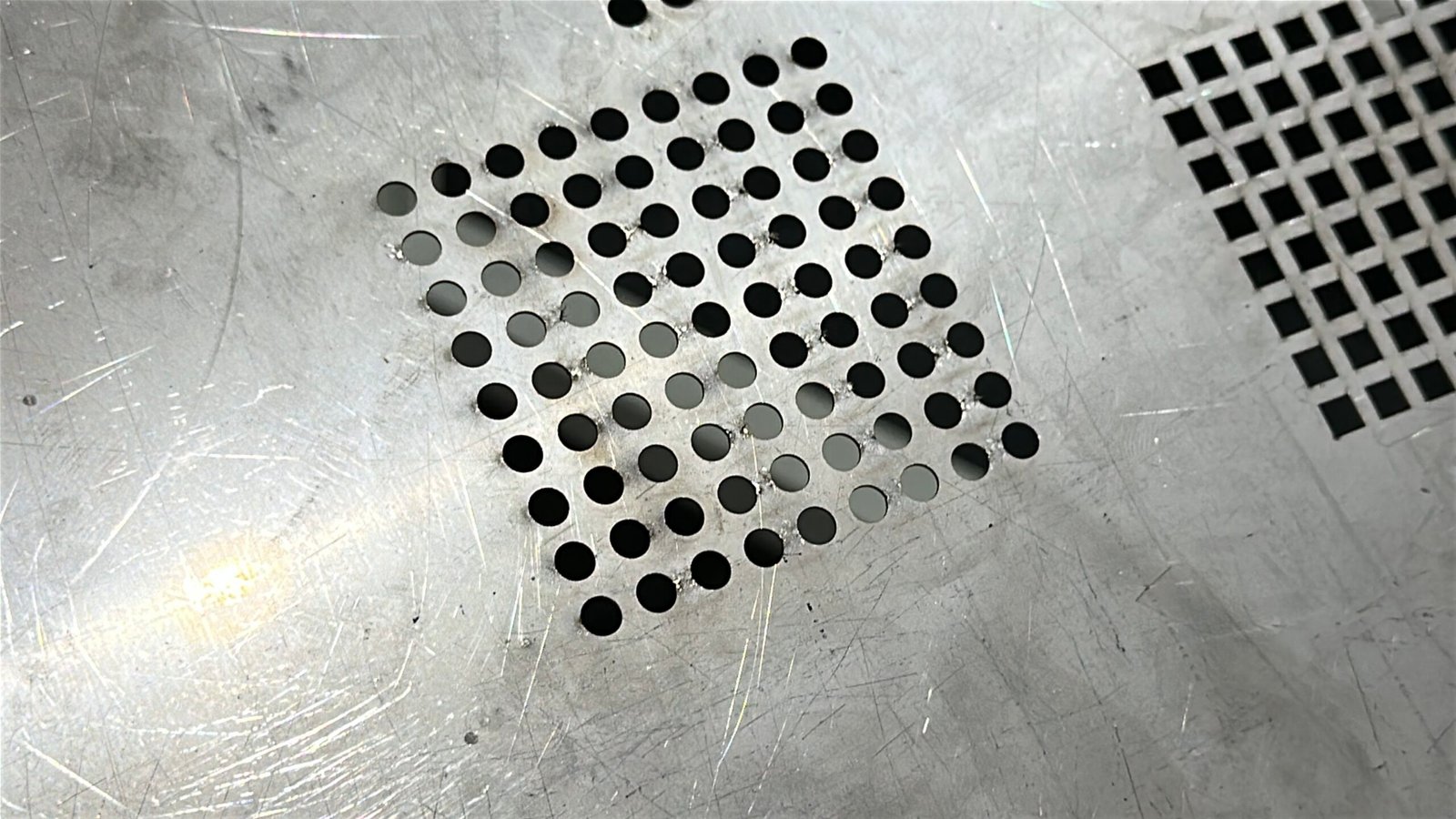
Gas type and gas purity directly determine the finish of stainless steel cutting. High-purity nitrogen is the standard auxiliary gas for stainless steel processing.
Nitrogen provides high-pressure blowing force to remove molten stainless steel residue and forms a protective layer during cutting, preventing edge oxidation and slag adhesion. Using low-purity nitrogen or compressed air will inevitably cause massive dross, black edges, and rough surfaces. Always ensure stable gas pressure and qualified gas purity throughout batch production.
3. Adjust Nozzle Distance and Focus Position
Incorrect focus position and nozzle height will destroy cutting stability and produce uneven burrs. If the focus is too high, the kerf becomes wide and molten metal cannot be discharged thoroughly. If the focus is too low, the cutting section turns dark and produces granular slag.
Standard focus calibration keeps the laser beam concentrated at the best cutting layer. Meanwhile, maintaining a reasonable and consistent nozzle-to-plate distance ensures uniform gas flow, which helps sweep away residual molten metal and achieve smooth cutting edges.
4. Regularly Maintain Cutting Head and Optical Components
Dirty protective lenses, deformed nozzles, and blocked gas holes affect beam quality and gas uniformity, resulting in intermittent dross generation. Dust, oil fog, and metal spatter accumulated during long-hour production will cause unstable laser output.
Daily maintenance including lens cleaning, nozzle inspection, and gas path dredging can effectively avoid recurring burr problems. Replacing damaged nozzles in time ensures concentric laser beam output and consistent cutting effects.
5. Stabilize Machine Operation and Processing Environment
Mechanical vibration, uneven platform level, and unstable voltage will cause beam deviation during operation, forming irregular burrs on stainless steel edges. Long-term continuous production without pause also leads to accumulated heat and local processing instability.
Keep the laser machine well-leveled, check transmission system tightness regularly, and ensure stable power supply. Proper intermittent cooling during mass production avoids thermal deformation defects and guarantees consistent cutting quality for every workpiece.
6. Improve Material Flatness and Clamping Stability
Warped stainless steel plates and loose clamping cause uneven cutting gaps. Partial beam focusing deviation occurs during cutting, leaving residual slag on uneven positions.
Fix plates firmly with professional clamping tools and level warped materials before processing. Stable material positioning ensures uniform laser penetration and thorough residue removal across the entire workpiece.
Conclusion
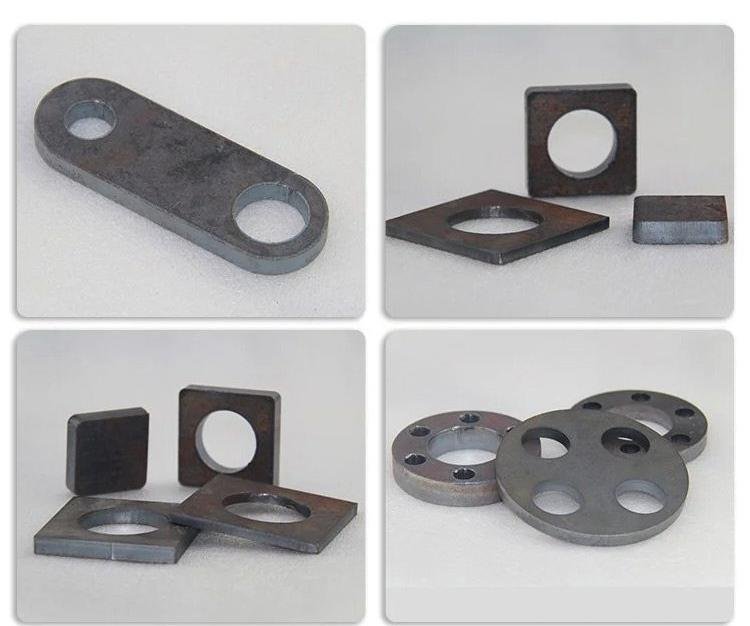
Stainless steel dross and burrs are avoidable through standardized parameter matching, correct gas configuration, regular equipment maintenance, and standardized operation procedures. Optimizing these key details can greatly improve cutting smoothness, eliminate most secondary polishing work, and reduce production costs.
If you are facing persistent stainless steel cutting quality problems, our professional technical team can provide personalized parameter debugging guidance and process optimization solutions for your machine model and plate thickness.