
Introduction
Fiber laser cutting machines are indispensable core equipment for modern metal fabrication, widely applied in sheet metal processing, machinery manufacturing, steel structure production and hardware fabrication.
Laser power is the decisive factor that governs cutting quality, operational efficiency and overall return on investment. Many fabricators either blindly invest in excessive ultra-high-power equipment, leading to high energy consumption, idle capacity and wasted costs, or opt for underpowered machines that fail to meet thick-plate cutting standards and production demands.
This article elaborates on scientific laser power selection based on processing materials, plate thickness, output volume and business layout, helping workshops avoid procurement pitfalls and achieve optimal cost-performance.
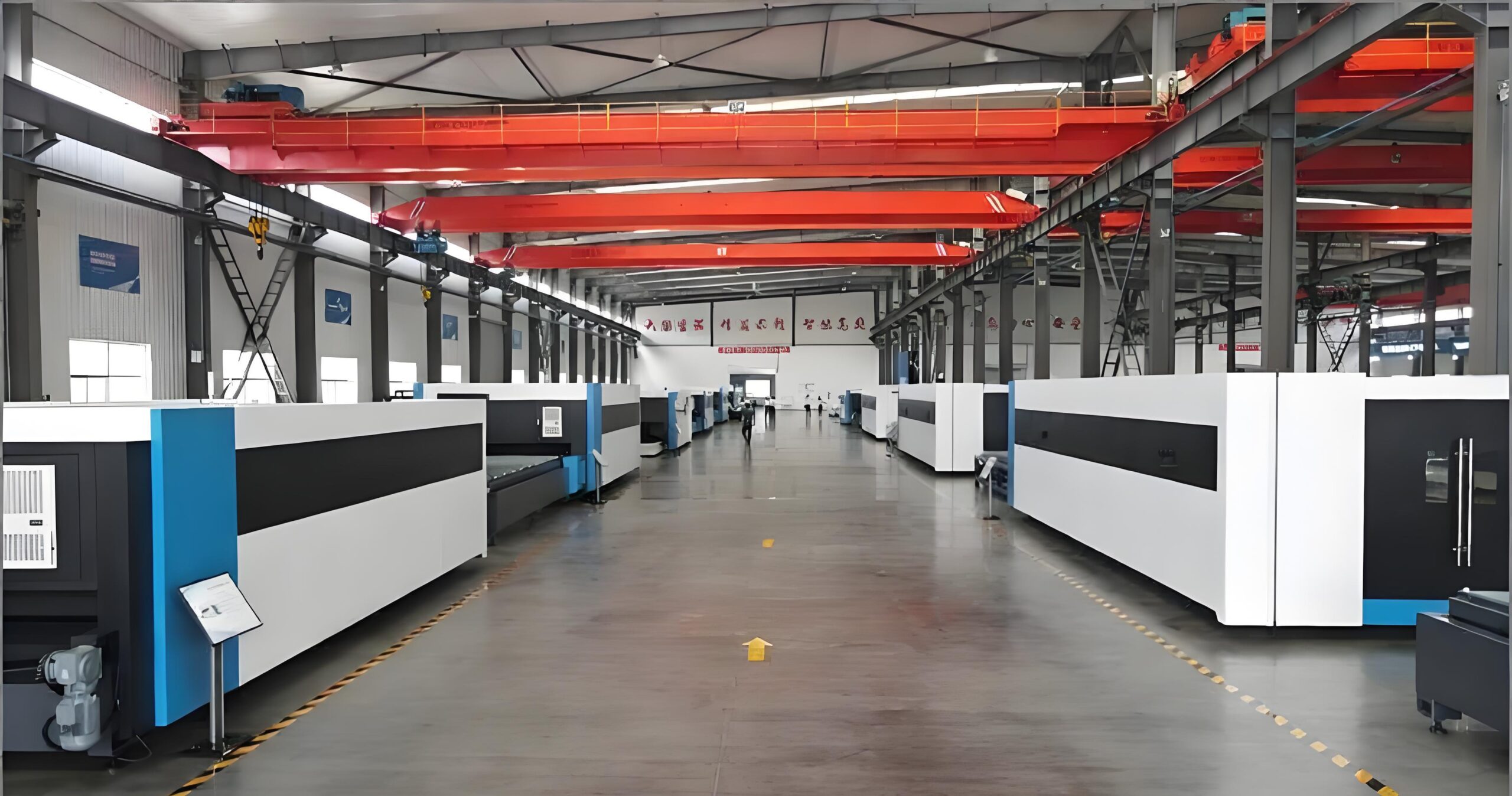
1. Core Basis for Power Selection: Material Type and Plate Thickness
Different metal materials have different laser absorption rates and cutting difficulty, which directly determine the required laser power. Carbon steel, stainless steel, aluminum alloy, copper, and brass are the most common processing materials in metal workshops, and their power matching standards vary greatly.
For conventional thin and medium plates, low and medium-power laser machines (1500W–6000W) are the most cost-effective choice.
1500W and 3000W fiber laser cutters are suitable for processing thin carbon steel, stainless steel, and aluminum plates within 6mm, which can meet the production needs of small hardware workshops, advertising metal processing, and light sheet metal factories, with low power consumption and low later maintenance costs.
6000W laser equipment is compatible with medium-thickness plates within 12mm carbon steel and 8mm stainless steel, perfectly matching the daily processing needs of most medium-sized sheet metal factories.
For thick plate processing scenarios such as construction machinery, steel structure, and heavy equipment manufacturing, ultra-high-power laser machines (12000W–60000W) are essential. Ultra-high-power equipment can realize high-speed and high-precision cutting of 20mm–100mm thick carbon steel and stainless steel, effectively solving the problems of slow cutting speed, rough section, and easy slag hanging of medium-power machines when processing thick plates.
In addition, for high-reflective metals such as aluminum, copper, and brass, it is necessary to match higher power and equip with professional anti-reflection laser systems to avoid processing failures and equipment damage.
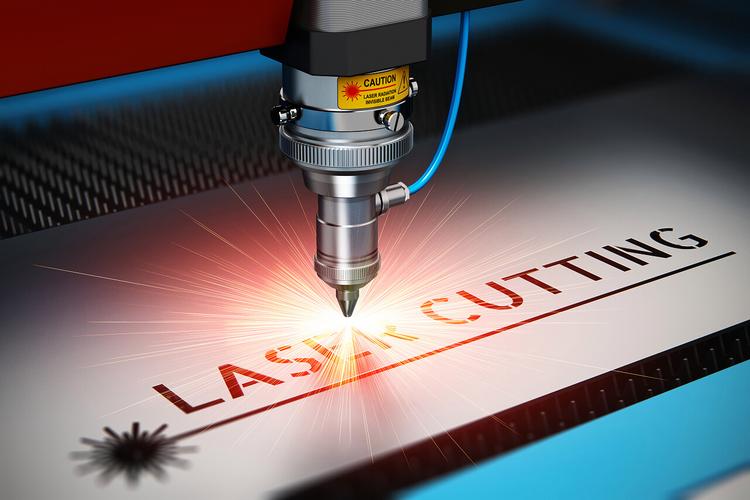
2. Match Power According to Production Capacity and Efficiency Requirements
In addition to plate thickness and material, daily production volume and processing efficiency requirements are important factors for power selection.
For small workshops with intermittent orders and low daily output, medium and low-power laser cutters can fully meet the demand. Excessively high power will cause long-term idle equipment and increased electricity costs, reducing profit margins.
For large and medium-sized processing factories with continuous orders and mass production, high-power and ultra-high-power laser equipment is more suitable. Higher power brings faster cutting speed, stable continuous processing performance, and can support 24-hour uninterrupted production. Although the initial investment is higher, it can greatly improve production efficiency, shorten delivery cycles, and undertake more large orders, bringing long-term stable income for the enterprise.
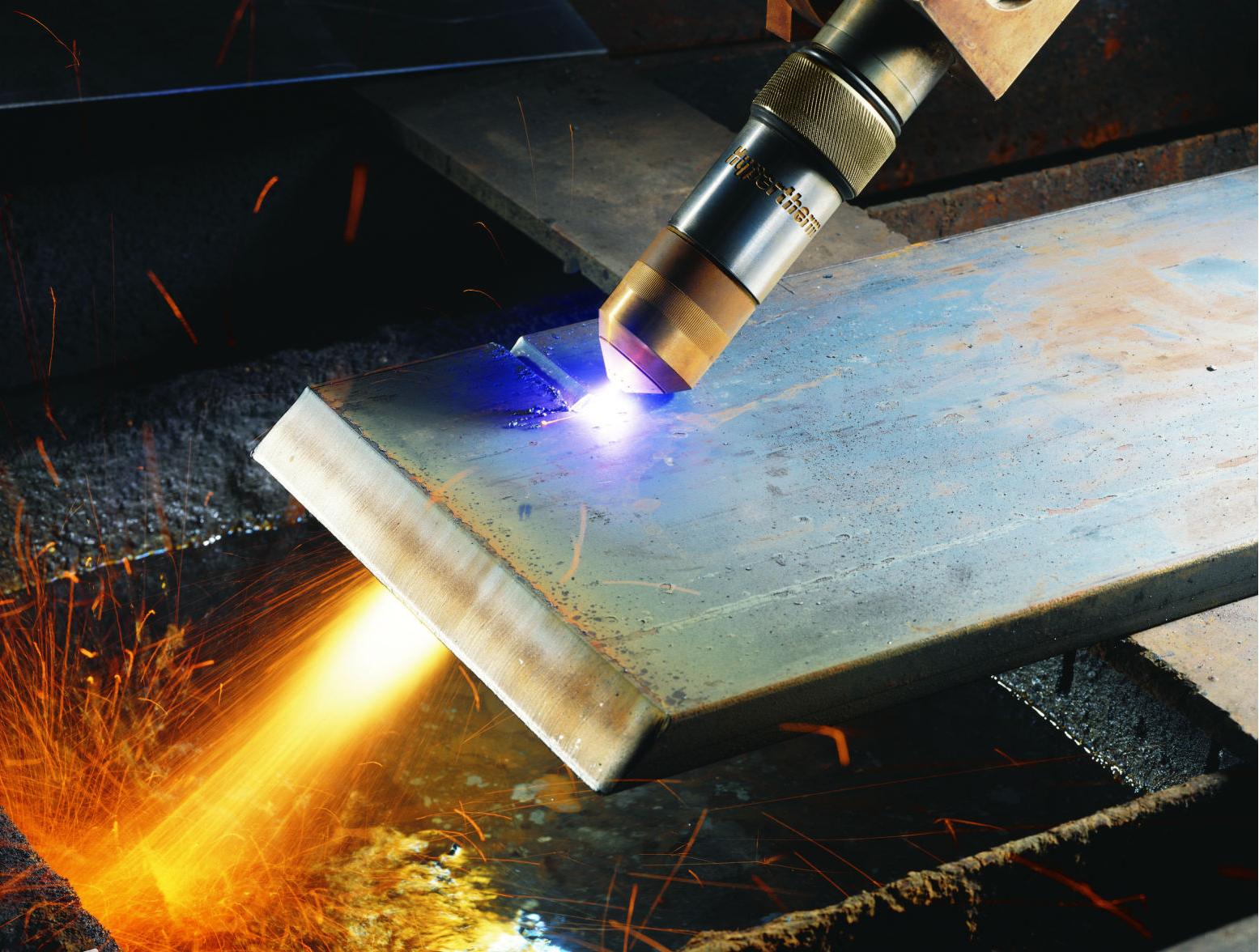
3. Power Selection Combined with Business Development Planning
When purchasing laser cutting equipment, enterprises should not only focus on current processing needs but also combine future business expansion plans.
If the workshop is mainly engaged in thin plate processing and has no intention of expanding thick plate business in the next 3–5 years, medium and low-power equipment is the best choice with a high cost-performance ratio.
If the enterprise plans to expand the steel structure, engineering machinery, and heavy metal processing business, it is recommended to reserve power space in advance and choose ultra-high-power laser machines. It can avoid the trouble of repeatedly replacing equipment in a short time, save secondary procurement costs, and adapt to the upgrading of market processing standards.
4. Avoid Common Power Selection Mistakes
Many buyers have two typical misunderstandings when selecting laser power. First, the higher the power, the better the equipment performance.
In fact, high-power equipment has higher purchase cost, higher energy consumption and higher maintenance cost. It is a waste of resources for thin plate processing.
Second, low-power equipment can save costs. For thick plate and high-precision processing, low-power machines cannot guarantee cutting quality, which will lead to a large number of defective products and loss of customer resources.
The correct selection principle is matching rather than blind upgrading. Only by selecting the corresponding laser power according to actual processing scenarios can we balance cost, efficiency and quality.
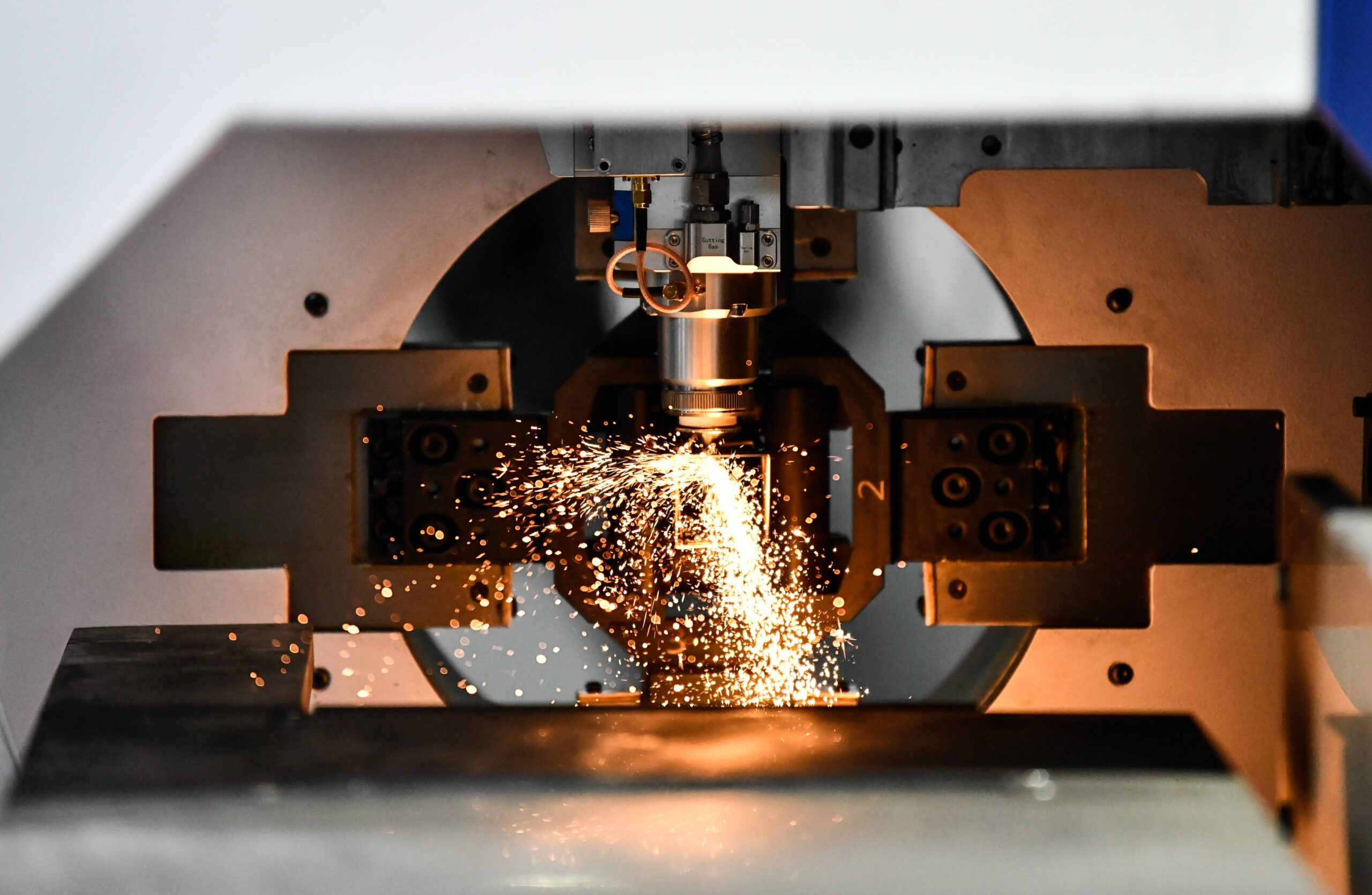
Conclusion
In short, the ideal power of a fiber laser cutting machine depends on your actual processing conditions and long-term business goals.
For small and medium workshops focused on thin and medium metal plates, 1500W–6000W devices deliver stable performance, lower energy consumption and excellent cost savings.
For heavy-duty fabrication involving thick plates, steel structures and engineering machinery, 12000W–60000W ultra-high-power laser cutters significantly boost processing efficiency and overall market competitiveness.
Reasonable power matching, instead of blind specification upgrading, is the key to maximizing your profit in laser metal fabrication.
If you are unsure about laser power selection for your specific projects, our professional team provides customized one-stop selection solutions. We tailor the most cost-effective fiber laser cutting machine according to your processing materials, plate thickness and daily production needs.