

A laser cutting machine is one of the most vital precision processing tools in modern smart manufacturing. Utilizing high-energy focused laser beams for non-contact cutting, it outperforms traditional mechanical cutting, flame cutting, and plasma cutting solutions with superior precision, speed, and consistency.
Widely adopted in industrial manufacturing, custom creative processing, and high-end precision engineering, laser cutting technology delivers reliable, cost-effective results for diverse industries worldwide.
In this guide, we explore the core applications and unique advantages of professional laser cutting machines.

1. Industrial Manufacturing: High-Precision & High-Efficiency Mass Production
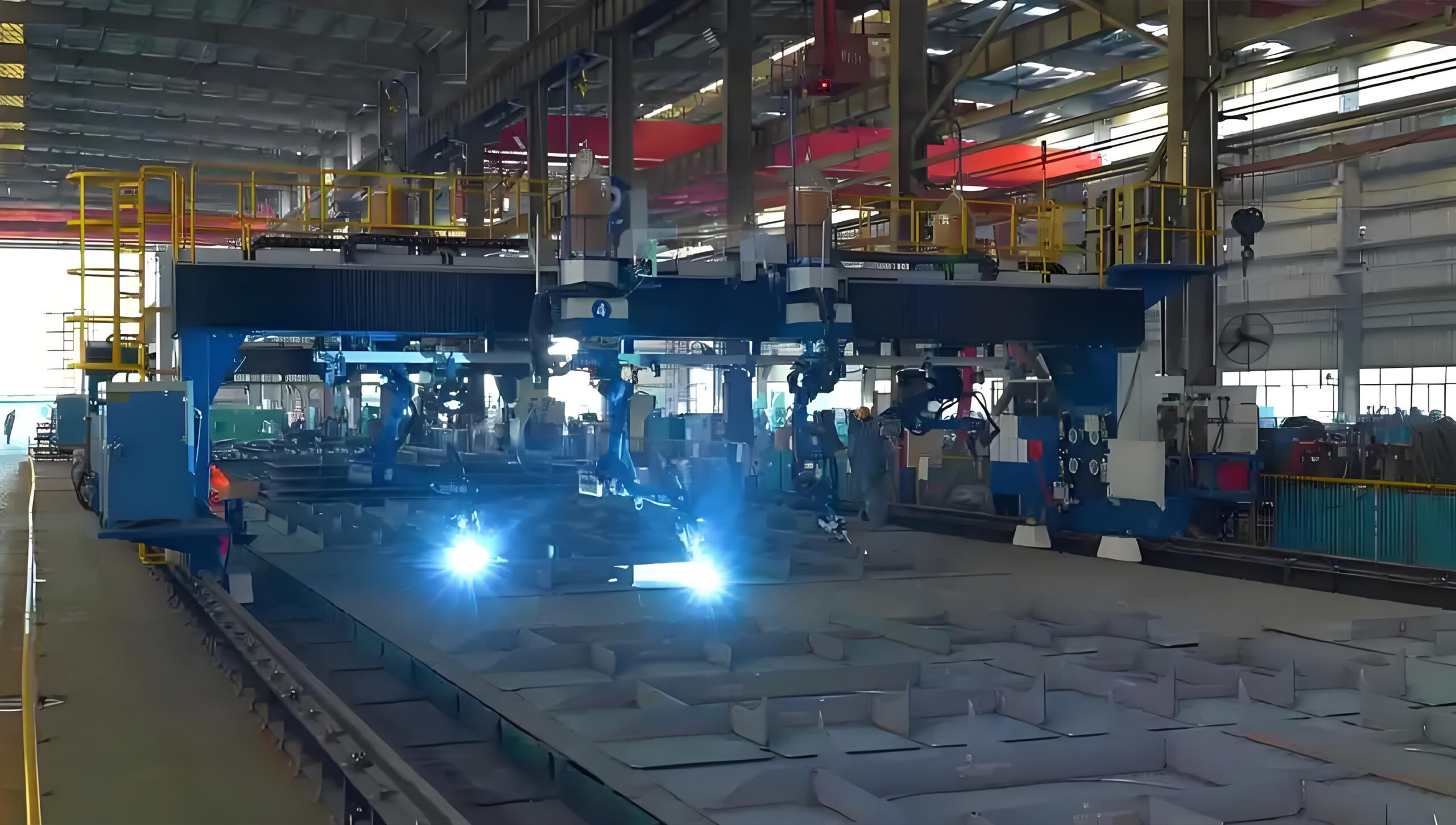
For industrial mass production, laser cutting machines serve as high-precision industrial cutting tools, delivering unmatched accuracy and efficiency for metal processing. They seamlessly work with common industrial materials, including stainless steel, aluminum alloy, carbon steel, and titanium alloy. The non-contact cutting process creates smooth, burr-free edges, eliminating secondary polishing and finishing procedures. This significantly streamlines production workflows, shortens lead times, and lowers overall manufacturing costs for factories.
Laser cutting drastically boosts efficiency in sheet metal fabrication, a core advantage over traditional punching equipment. Complex patterned sheet metal components that take 1 hour to process with conventional machines can be completed in just 5 minutes. It requires no custom molds, supporting fast prototyping and flexible customized production. In automotive manufacturing, the machine provides ultra-precise cutting for vehicle body panels and structural parts, with a cutting accuracy reaching 1/5 of a human hair. This high precision guarantees perfect component fitting and long-term structural stability. Equipped with intelligent nesting software, it also optimizes material utilization, minimizes raw material waste, and maximizes production profits.
2. Creative Design & Customization: Expand Boundaries of Artistic Fabrication
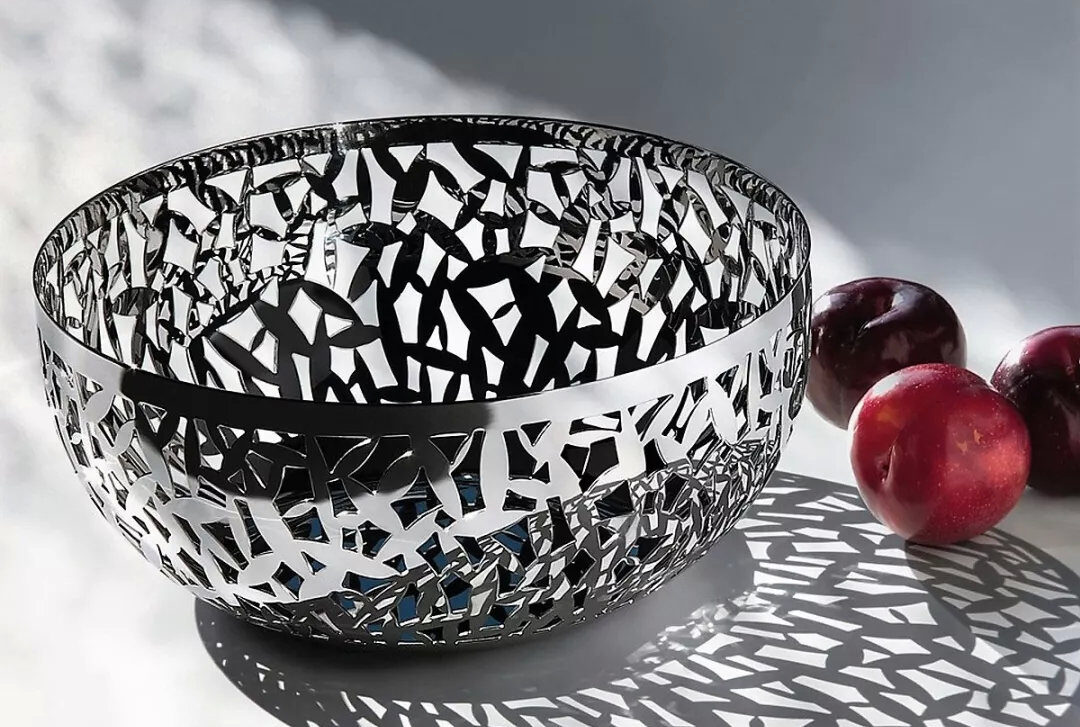
Beyond standard industrial production, laser cutting is an ideal solution for creative design, artistic processing, and personalized customization. It overcomes the technical limitations of manual carving and traditional mechanical cutting, enabling intricate, high-detail processing that traditional methods cannot achieve. It is widely used in architectural model making, art creation, custom furniture, and decorative product manufacturing.
Laser cutting achieves a processing tolerance of less than 0.1mm, precisely converting digital design files into high-fidelity physical architectural and industrial models. For non-metal materials such as wood and acrylic, it delivers ultra-fine engraving and clean cutting effects, showcasing delicate textures and complex geometric patterns. Suited for low-volume and custom orders, the machine helps designers and manufacturers launch differentiated craftworks, home decorations, and custom furniture, catering to growing global demands for personalized aesthetic products.
3. High-End Precision Engineering: Reliable Solution for Strict Industries
For precision-critical industries including electronics, medical devices, and aerospace, laser cutting is an indispensable processing technology. Different from mechanical cutting that exerts physical pressure on workpieces, its non-contact processing produces zero mechanical stress. This effectively protects tiny, fragile precision components from deformation, damage, or performance loss, meeting the strictest industrial standards for accuracy and stability.
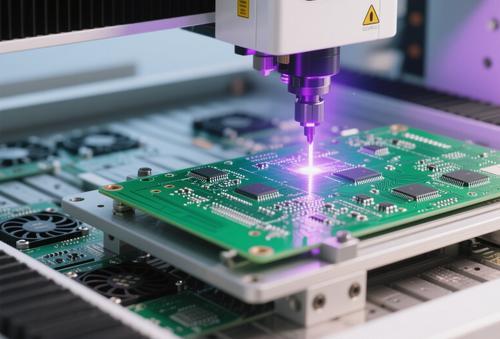
In the electronics industry, it ensures precise, clean cutting of circuit boards and micro-components, maintaining structural integrity of miniature electronic systems. In medical manufacturing, its burr-free, contamination-free processing fully complies with strict hygiene and precision requirements for surgical tools and medical precision parts. For aerospace production, the machine excels at processing hard-to-cut materials like titanium alloy. It reduces the thermal affected zone by 80% compared with conventional cutting methods, preventing material property deterioration and meeting the extreme high-strength and high-reliability standards of aerospace components.
Conclusion
Laser cutting machines stand out in modern manufacturing thanks to their core strengths: ultra-high precision, fast processing speed, broad material compatibility, and low material loss.
They serve versatile scenarios ranging from large-scale industrial production and personalized custom fabrication to high-end precision engineering. By optimizing production flows and lowering operational costs, laser cutting technology continuously breaks the limits of traditional processing methods.
With the rapid development of smart manufacturing, laser cutting will remain a core manufacturing technology, delivering efficient, flexible, and high-quality processing solutions for global industrial enterprises.
