

Introduction
Thin sheet laser cutting is widely applied in sheet metal fabrication, advertising signage and precision hardware industries. With laser cutters ranging vastly in brand, configuration and price, improper equipment selection will lead to low productivity, poor cutting quality and idle asset loss.
This guide shares 3 key professional criteria to help you select the ideal laser machine for 0.5–3mm thin sheet processing.
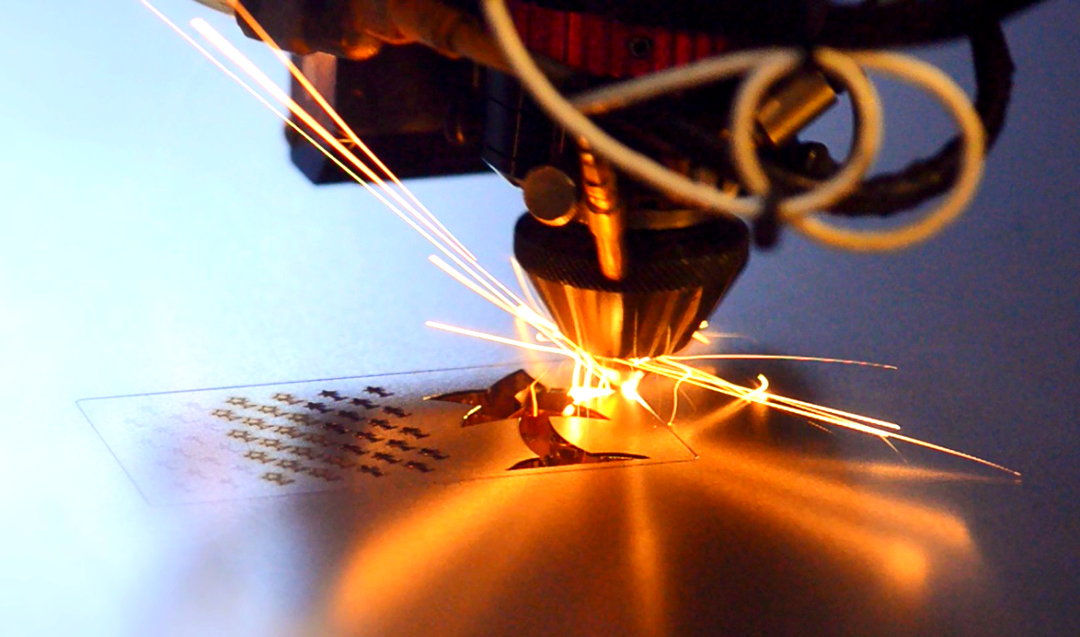
1. Cutting Precision & Thin Sheet Adaptability
Thin metal sheets (0.5-3mm) require ultra-high cutting precision for delicate, burr-free finished parts. Premium laser cutting machines feature a positioning accuracy of ±0.01mm, fully meeting the precision demands of custom signage and intricate sheet metal components.
We recommend models equipped with German imported servo motors. Such configurations deliver stable operating speed, consistent cutting performance and lower long-term failure rates, effectively preventing sheet deformation, edge scorching and dimensional errors during high-speed processing.
2. Laser Power & Processing Efficiency Matching
Matching laser power to material type and thickness is critical to balanced cutting quality and efficiency. Excessive power causes rough edges and over-burning, while insufficient power results in slow speed and incomplete penetration. The optimal power configuration for common thin sheets is as follows:
- 0.5–1.5mm stainless steel: 300W–500W for fine and stable cutting
- 1–3mm carbon steel: 500W–800W for maximum processing efficiency
- Aluminum & magnesium alloy sheets: Choose machines with anti-reflection protection to avoid laser source damage
For pure thin sheet production, medium and low-power models within 1000W offer the best cost-performance. They fully cover daily processing needs while reducing equipment procurement, energy consumption and maintenance costs.
3. After-Sales Service & Local Technical Support
Reliable after-sales support is essential to sustain long-term stable machine operation. Prioritize brands with local service outlets to minimize downtime from equipment faults.
Key service indicators include 24/7 global technical support and regular on-site maintenance services. Timely remote troubleshooting, professional parameter debugging and routine equipment calibration can effectively extend machine service life and maintain consistent cutting accuracy.

Conclusion
The ideal thin sheet laser cutter balances stable precision, matched power and reliable after-sales service. Confirm your actual processing materials, thickness and precision requirements before purchase, and verify real cutting performance with sample tests.
Avoid blindly pursuing low-cost generic devices that bring frequent faults and hidden operational costs. Select a professional manufacturer with mature processing technology and complete service systems to maximize your equipment investment value.
