

Introduction
Buying a fiber laser cutting machine is a significant capital investment for metal fabrication workshops. Many buyers only focus on laser power and price during procurement while ignoring many critical factors, which later leads to low production efficiency, frequent equipment failures and poor return on investment.
This article sorts out all core evaluation indicators you need to check before signing a purchase contract, helping you make a rational, long-term-oriented buying decision.
1. Laser Generator Brand & Reliability
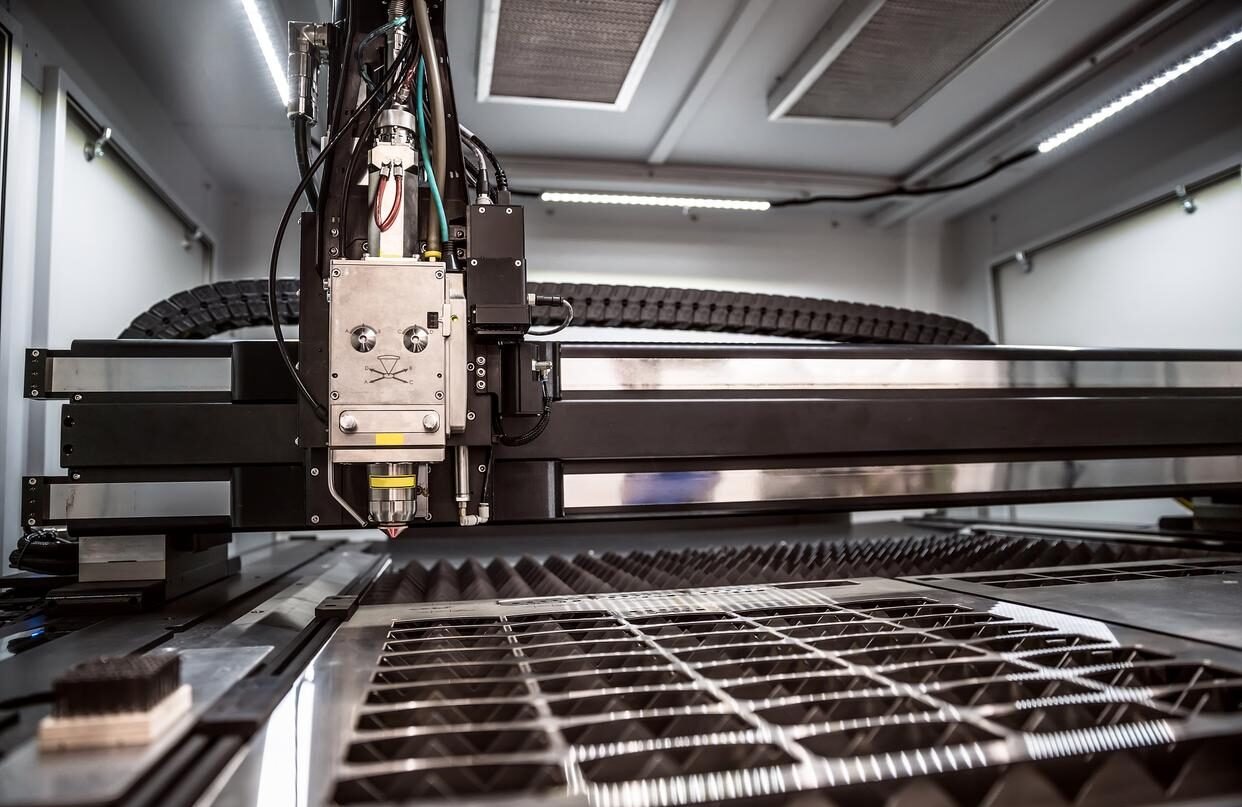
The laser source is the core heart of the entire cutting machine, directly determining stability and service life. Well-known domestic and international laser brands feature stable light output, low failure rates and complete global after-sales service networks. Avoid unknown generic laser sources with cheap prices but short service life, frequent light attenuation and hard-to-access spare parts.
You also need to confirm the official warranty period of the laser generator, as well as local maintenance support in your region.
2. Cutting Machine Mechanical Structure & Processing Platform
The machine frame, guide rail, transmission system and worktable affect long-term cutting accuracy. Heavy-duty integral welded frames with stress relief treatment prevent deformation after years of heavy thick-plate cutting. High-precision linear guides and stable drive motors guarantee consistent dimensional tolerance for mass production.
Check the maximum loading capacity of the work platform to match your regular sheet size and weight. For frequent heavy plate processing, reinforced platform structures are a must.
3. Cutting Head & Auxiliary Functional Configuration
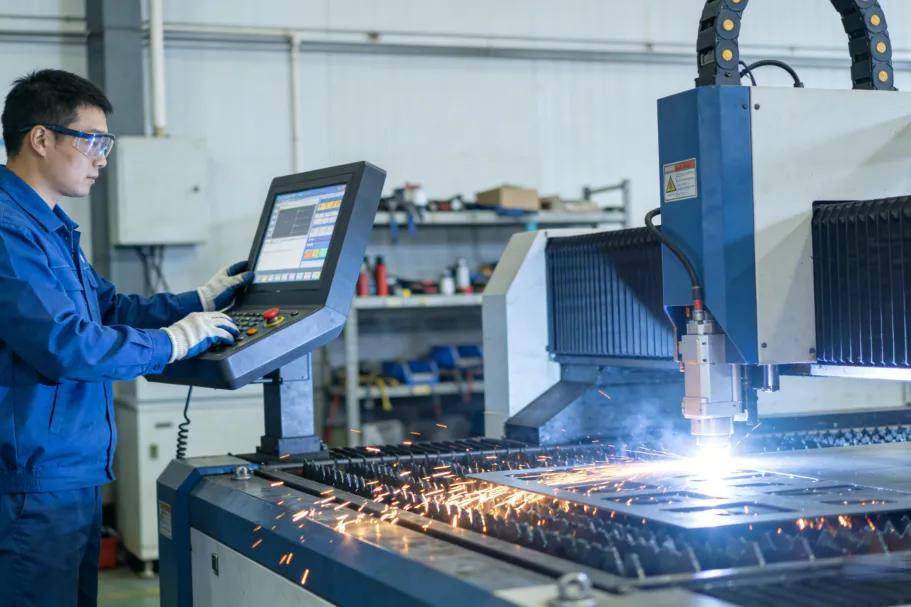
Standard cutting heads can handle regular carbon steel and stainless steel, while auto-focus cutting heads improve efficiency for mixed-thickness plates. Anti-high-reflection cutting heads are mandatory if you often process aluminum, copper and brass.
Optional practical functions worth evaluating: automatic height following system, smoke removal device, automatic lubrication system, and exchange table for uninterrupted loading and unloading. These configurations greatly boost daily production capacity.
4. Control System & Operation Intelligence
The numerical control system decides operation simplicity, nesting efficiency and cutting precision. Mature dedicated laser control systems support automatic nesting, real-time cutting parameter adjustment, fault self-diagnosis and one-click processing.
Intelligent functions such as AI automatic layout reduce material waste and shorten programming time, which is extremely valuable for factories with many small-batch customized orders. Avoid outdated laggy control systems with limited compatibility.
5. Matching Power Based On Your Actual Processing Materials
Never select laser power purely by price or sales recommendation. Calculate according to your regular metal types, maximum plate thickness and daily production volume. Low power causes slow cutting speed and unqualified cross-sections for thick plates; redundant high power brings unnecessary electricity and procurement costs for thin sheet processing.
6. After-Sales Service & Local Technical Support
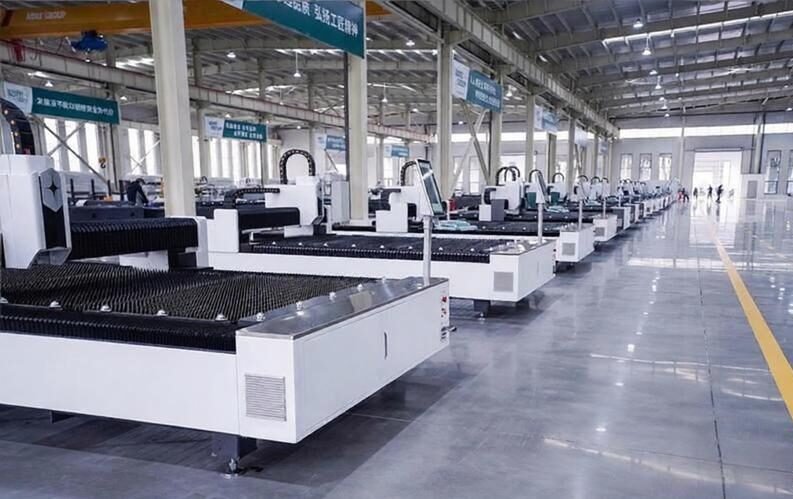
Global after-sales capacity is easily overlooked yet vital for overseas buyers. Confirm whether the supplier has local service engineers, sufficient spare parts inventory and fast response maintenance service. Long machine downtime due to delayed spare parts delivery will cause huge order losses.
Clarify warranty coverage for core components, maintenance charge standards after warranty, and remote online troubleshooting support.
7. Overall Operating Cost in The Long Run
Don’t judge the deal only by the initial offer price. Calculate comprehensive long-term costs including power consumption, wearing parts replacement cycles, gas consumption and labor matching requirements. Some low-priced machines use cheap consumables that need frequent replacement, bringing high hidden operation costs year by year.
Conclusion
Successful fiber laser equipment procurement requires comprehensive evaluation instead of simply comparing power and quotations. Laser source brand, mechanical structure, functional configuration, control system, matched power and global after-sales support are all indispensable judging standards.
If you have unclear demands about equipment configuration matching your processing business, our technical team can provide free one-on-one procurement assessment and customized laser machine solutions.
