

Introduction
Thick carbon steel cutting is a core working procedure for steel structure factories, construction machinery manufacturers and heavy metal fabricators. Two mainstream processing tools dominate this field: fiber laser cutting machines and plasma cutters. Many factory owners struggle to pick the right equipment, confused by gaps in cutting precision, running costs, processing speed and finished surface quality.
This blog makes a complete comparison between fiber laser and plasma cutting, focusing on thick carbon steel processing scenarios, to help you judge which machine matches your production demands.
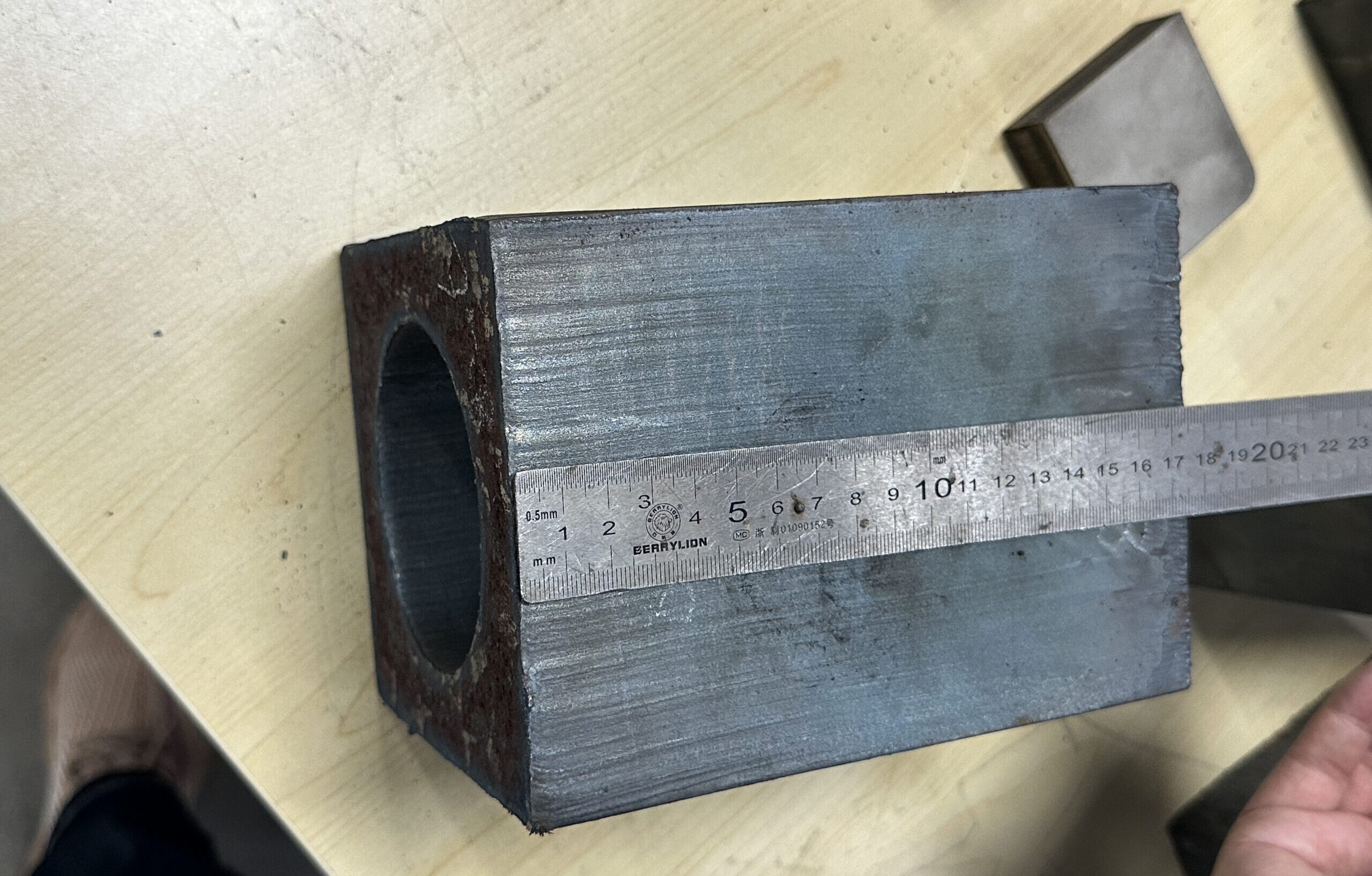
1. Core Differences in Cutting Precision & Surface Quality
Fiber laser cutters deliver micron-level cutting accuracy. The narrow laser beam creates slim kerf, smooth cutting edges without rough burrs, and minimal heat-affected zones. For thick carbon steel within 100mm, laser-cut workpieces rarely require secondary grinding or trimming, which saves post-processing labor.
Plasma cutters rely on high-temperature plasma arcs. Their cutting kerf is much wider, and side slopes, dross and rough textures are unavoidable on thick steel sections. Most plasma-cut parts need extra polishing, chamfering and slag removal before assembly. Precision deviation also limits plasma equipment for high-tolerance structural components.
2. Processing Speed for Different Carbon Steel Thicknesses
For medium-thick carbon steel ranging from 3mm to 25mm, high-power fiber lasers run far faster than plasma cutters with stable consistent speed. Even batch production maintains uniform cutting efficiency.
When dealing with ultra-thick carbon steel over 30mm, plasma cutting gains a slight speed advantage. However, this speed gap shrinks rapidly with the upgrade of 30kW–60kW ultra-high-power fiber laser systems on the market.
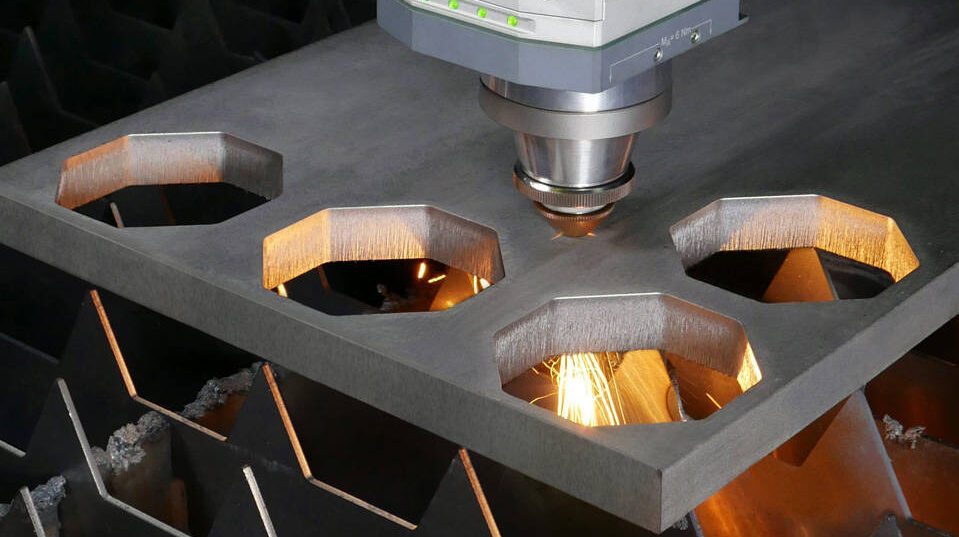
3. Long-term Operating Cost Comparison
3.1 Consumables
Plasma cutters consume electrodes, nozzles and shielding gas frequently. Consumable replacement cycles are short, bringing continuous daily expenditure.
Fiber laser machines only require periodic replacement of protective lenses and cutting gas, with extremely low wear and long service cycles.
3.2 Energy Consumption
Low-to-medium power plasma equipment consumes less instantaneous power, but repeated rework on defective pieces raises total energy waste. High-power fiber lasers have higher single-point power draw, yet one-time qualified cutting reduces overall power consumption in mass production.
3.3 Labor & Post-processing Cost
Plasma’s poor cutting surface forces extra labor for deburring and polishing. Laser cutting nearly eliminates secondary processing, greatly cutting labor overhead in long-term production.

4. Application Scope Matching
When Fiber Laser Cutting Is Your Best Choice
- Factories producing high-precision steel structural parts with strict tolerance standards
- Workshops that need to reduce post-processing procedures and save labor costs
- Businesses processing mixed thickness carbon steel from thin sheets to 100mm thick plates
- Manufacturers focusing on high-quality finished products for engineering machinery, new energy equipment and precision metal parts
When Plasma Cutting Is More Suitable
- Small workshops only processing ultra-thick carbon steel above 30mm with low precision requirements
- Temporary processing factories with limited initial equipment procurement budget
- Projects that allow obvious cutting slopes and rough surfaces without strict appearance standards

5. Investment Lifespan & Maintenance
Fiber laser cutting machines feature solid laser generators with a service life of over 100,000 hours. Daily maintenance is simple, limited to lens cleaning and gas path inspection.
Plasma power sources and cutting torches wear quickly under long-hour heavy-duty work. Frequent part replacements increase maintenance workload and machine downtime over years of operation.
Conclusion
For most modern metal fabrication workshops pursuing high precision, low post-processing cost and stable long-term returns, fiber laser cutting machines are the superior solution for thick carbon steel processing. Plasma cutters remain a cost-effective temporary option only for low-precision ultra-thick plate processing with limited budgets.
If you regularly process thick carbon steel and want to balance efficiency, quality and comprehensive costs, consult our technical team to get a matched fiber laser power configuration tailored to your plate thickness and daily output.
