

A common dilemma in metal fabrication: two 2KW laser cutters with identical rated power often deliver vastly different cutting speeds, edge quality and operational stability. Nominal power is merely a theoretical spec, not a guarantee of real-world cutting performance.
This guide explores the core reasons for inconsistent 2KW laser cutter performance and shares practical tips for choosing a high-efficiency model for your workshop.

1. Rated Power Does Not Equal Effective Cutting Power
Actual laser output is weakened by optical loss, low energy conversion efficiency and unstable cooling systems — three critical factors that most manufacturers overlook in parameter lists.
Core factors leading to performance differences:
- Laser source efficiency: Fiber laser generators feature far higher photoelectric conversion efficiency than traditional CO₂ laser systems, delivering more usable power for cutting.
- Premium optical components: High-precision lenses reduce beam transmission loss and maintain a concentrated, stable laser beam.
- Industrial cooling stability: A robust chiller system eliminates power attenuation during long-duration continuous production.
This is why two standard 2KW laser machines vary greatly in steel penetration capacity and cutting speed, even when processing the same carbon steel thickness.

2. Application-Specific Design Determines Cutting Effect
A qualified 2KW fiber laser cutter must be optimized for your target workpieces and production scenarios. Universal generic designs fail to deliver premium results for specialized processing.
- Square tubes & 3D profiles: Reliable dynamic focus adjustment and anti-turbulence nozzles ensure clean corner cuts and smooth 3D profile processing.
- Thin sheet metal fabrication: Precise motion acceleration control and stable heat dissipation effectively prevent sheet thermal deformation and guarantee uniform flatness.
The best 2KW laser cutting machine is always the one optimized for your core processing needs, not just the one with superior paper parameters.
3. Fiber Laser vs CO₂ Laser: Hidden Costs & Application Fit
Choosing between fiber and CO₂ laser technology defines your long-term operational costs and production flexibility. The two 2KW laser solutions have distinct advantages for different fabrication tasks.
2KW Fiber Laser Cutter
- Higher energy efficiency, lower power consumption and reduced long-term operational costs
- Superior laser absorption rate for stainless steel, aluminum and most common metal materials
- Requires professional cooling systems but eliminates recurring laser gas supply costs
2KW CO₂ Laser Cutter
- Lower initial investment but higher long-term costs for gas consumables and optical maintenance
- Wide parameter adjustment range, ideal for mixed-material and multi-thickness processing
- Frequent optical path inspection and lens replacement required
Quick summary: Fiber lasers are perfect for high-volume metal sheet production, while CO₂ lasers offer greater flexibility for diversified custom fabrication.
4. Why New Laser Cutters Have Unstable Cutting Quality
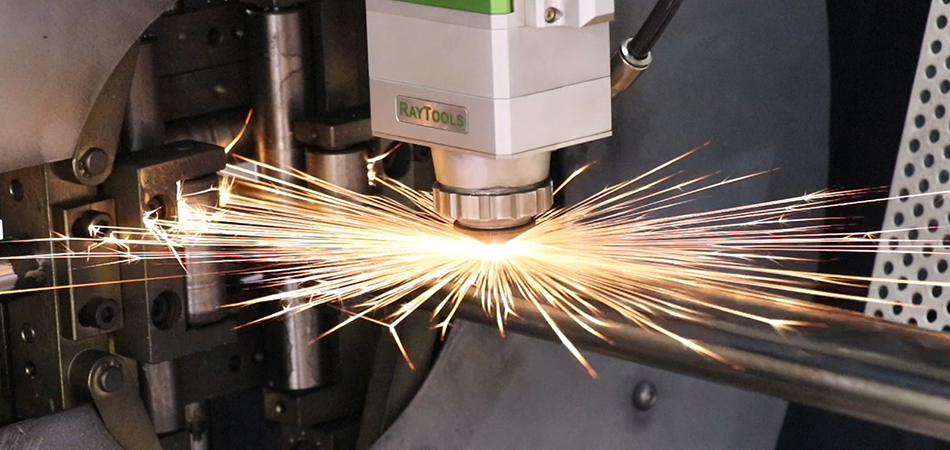
Most unstable cutting issues with brand-new 2KW laser cutters stem from mismatched auxiliary systems and improper configuration, not laser source defects.
- Contaminated protective lenses distort laser beams and cause rough, uneven cuts
- Low-purity cutting gas leads to oxidized edges, especially for stainless steel processing
- Outdated CNC control software limits machine performance and precision
- Insufficient exhaust ventilation causes smoke residue, accelerating optical component aging
We recommend full auxiliary system testing during machine acceptance to avoid post-installation modifications and production downtime.
5. Proven Maintenance Tips to Sustain Peak Performance
Scientific routine maintenance keeps your 2KW laser cutter delivering consistent high-precision results for years:
- Inspect and replace protective lenses regularly to ensure stable light transmittance
- Maintain steady chiller temperature to avoid condensation and laser source damage
- Use OD6+ professional laser safety goggles for 1064nm wavelength protection
- Record regular power calibration data and inspect fiber interfaces once efficiency drops noticeably
Final Thoughts
Never choose a 2KW laser cutter by nominal power alone. Reliable laser cutting performance depends on integrated hardware quality, application adaptation, complete auxiliary configurations and stable maintainability.
Prioritize software scalability for mixed small-batch production, and hardware durability for high-volume single-material processing.
Contact our team to get tailored 2KW laser cutter solutions for your metal fabrication operations!
