

In the world of precision manufacturing, laser technology is the gold standard for adding detail to products. However, two terms are often used interchangeably: Laser Marking and Laser Engraving.
While they share the same laser roots, their mechanisms, depths, and applications are worlds apart. Understanding these differences is crucial for choosing the right equipment for your production line.
1. The Core Mechanism: Surface vs. Depth
The most fundamental difference lies in how the laser interacts with the material.
- Laser Marking (Surface Modification): Think of this as "coloring" the material. The laser uses low energy to interact with the surface, creating a high-contrast mark through oxidation or carbonization. It removes almost zero material, resulting in a smooth, permanent finish that doesn’t compromise the structural integrity of the part.
- Laser Engraving (Material Removal): This is a "subtractive" process. The laser beam acts like a chisel, vaporizing the material to create a physical cavity. This results in a 3D effect—a deep, tactile groove that remains legible even under heavy wear or after secondary coatings like painting.
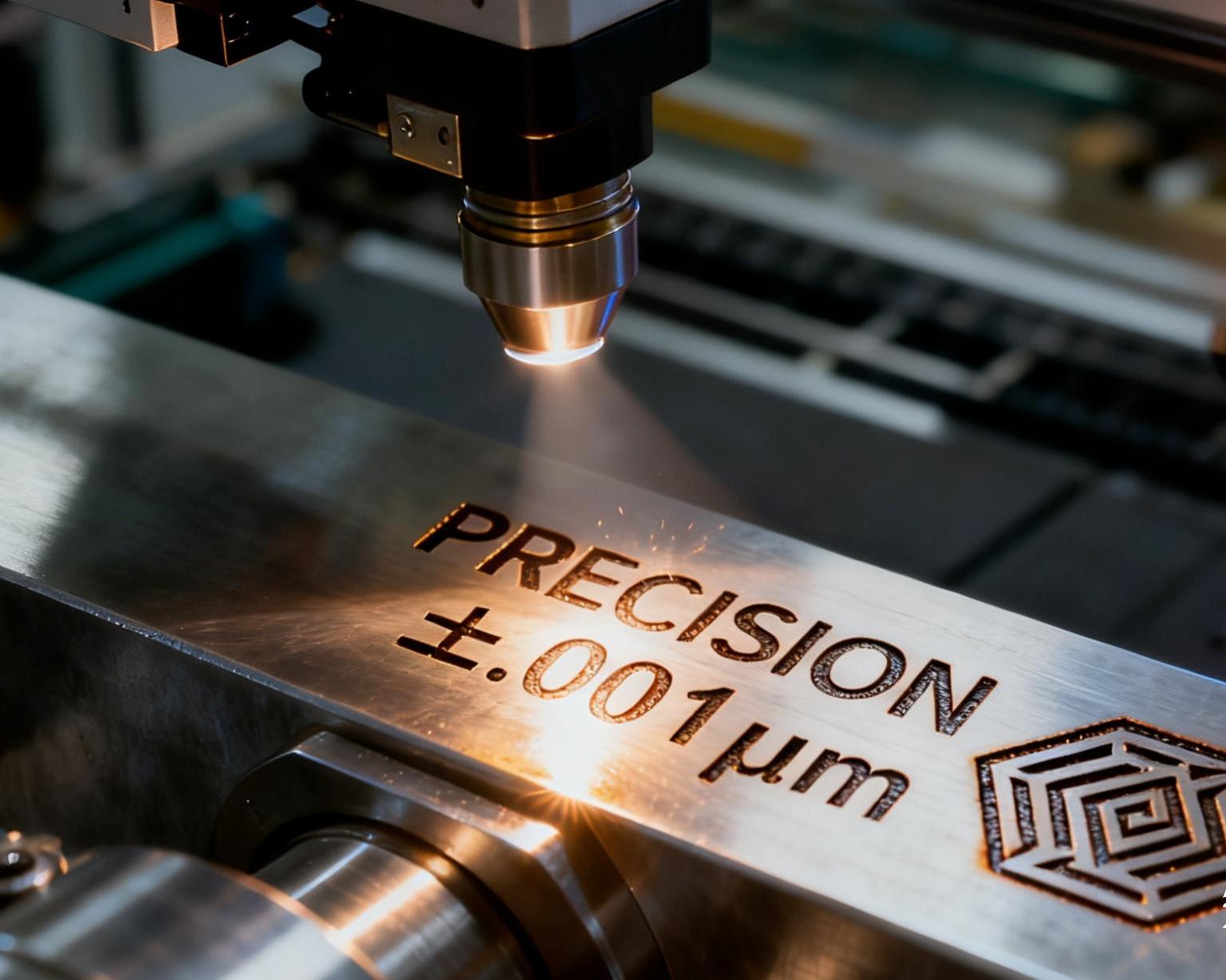
2. Technical Specifications: Power and Precision
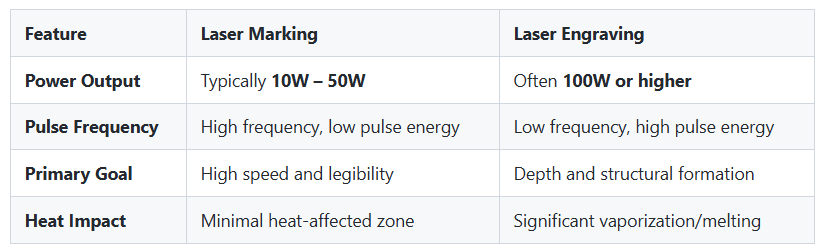
The hardware requirements for these two processes vary significantly based on the energy output needed.
3. Material Versatility
What are you working with? Your material choice often dictates the process.
Laser Marking
It is the "universal" solution. It works on almost all metals, plastics, ceramics, and even high-reflectivity materials. Because it doesn’t "cut" deep, it’s ideal for sensitive or thin components.
Laser Engraving
It is more selective. It requires materials that can be easily vaporized (like wood, acrylic, or specific metals). It is less suited for brittle materials that might crack under high heat or highly conductive metals that dissipate the energy too quickly.
4. Industry Applications: Traceability vs. Aesthetics
Where do we see these technologies in daily life?
- Laser Marking is the workhorse of industrial traceability. You’ll find it on medical devices, aerospace parts, and electronics in the form of QR codes, serial numbers, and compliance logos.
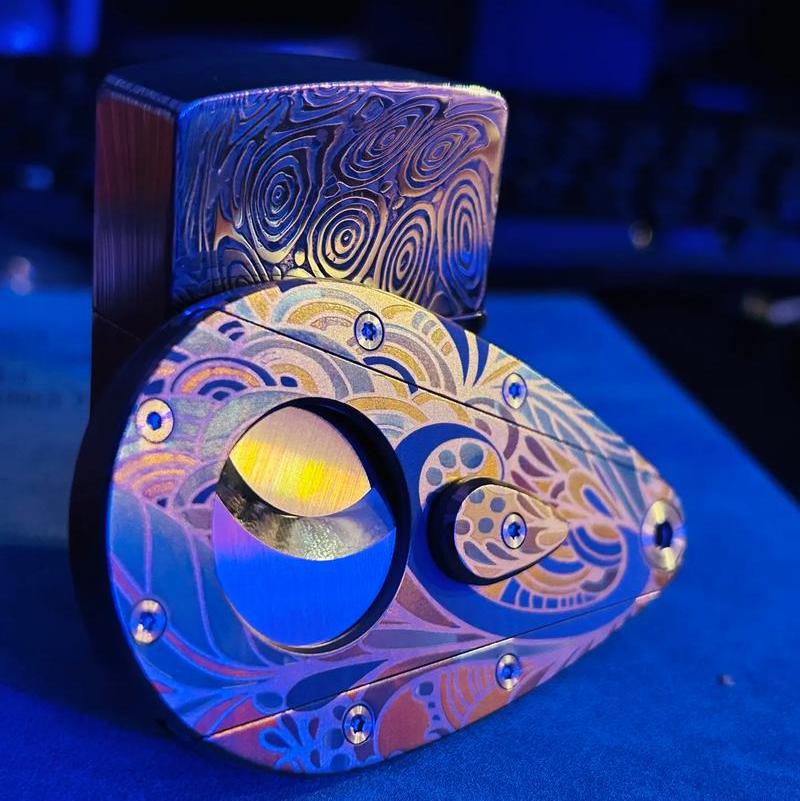
- Laser Engraving leans toward personalization and heavy-duty industrial use. It is common in jewelry, trophy making, woodcraft, and architectural signage.
Summary: How to Choose?
Choosing between marking and engraving comes down to your ultimate goal:
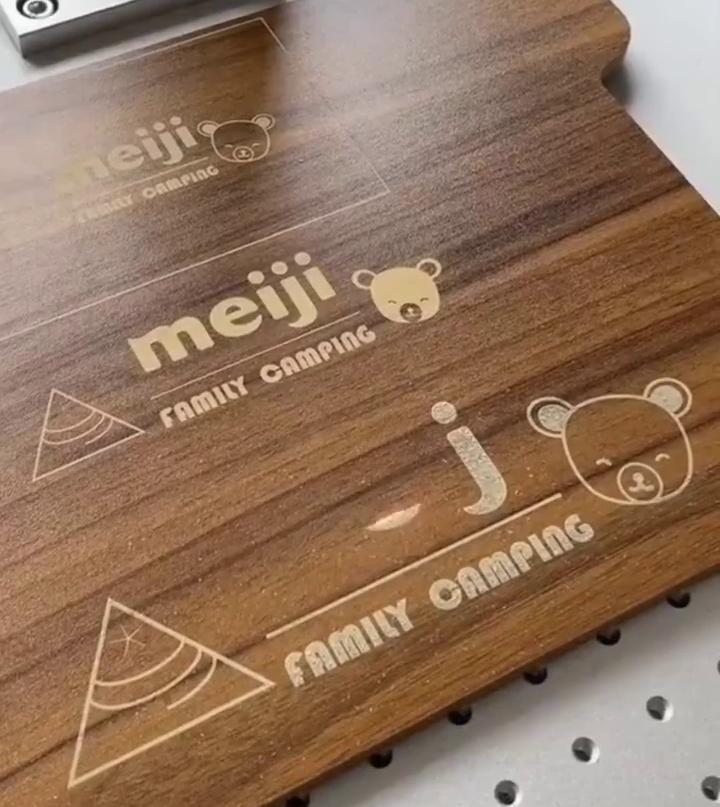
- Choose Laser Marking if: You need high-speed, high-precision identification (barcodes, logos) on a variety of materials without damaging the surface.
- Choose Laser Engraving if: You require a permanent, 3D structure, decorative depth, or a mark that must survive harsh physical environments.
Pro Tip: While distinct, the lines can blur. Many modern high-power marking machines can perform light engraving, offering a versatile "hybrid" solution for growing businesses.
Contact our engineering team to find the perfect laser solution for your workflow.
