

A key question for all metal fabricators and processors is: which materials can fiber laser cutters process? Laser cutting supports a wide range of metals and nonmetals, yet each material’s unique properties determine cutting speed, edge quality and parameter settings.
This streamlined guide classifies mainstream processable materials and shares practical matching tips for common industrial scenarios.
Full Metal Material Processing Analysis
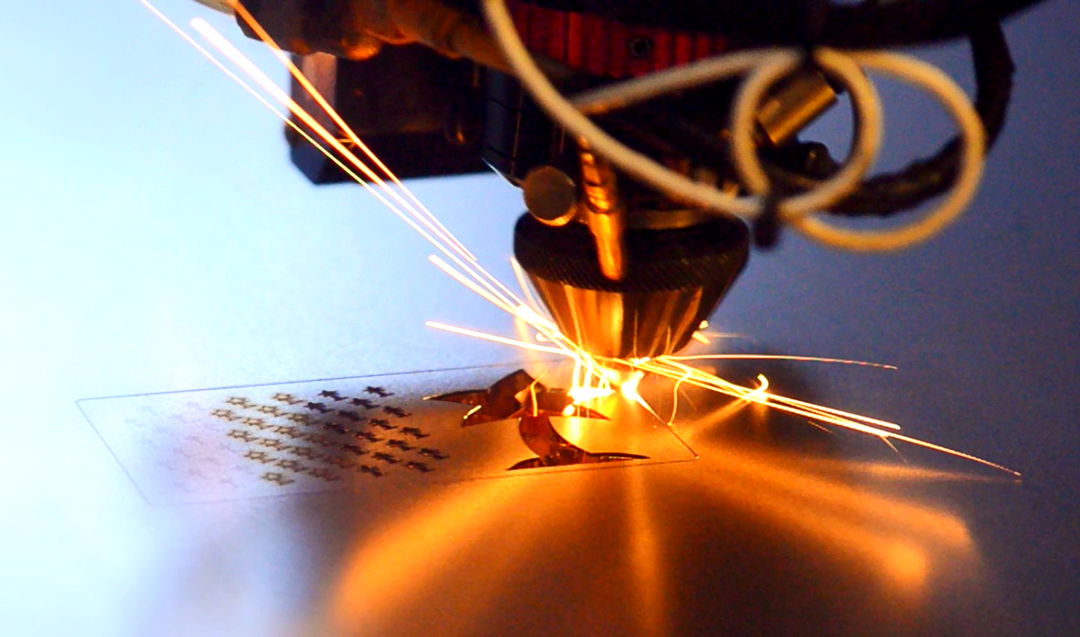
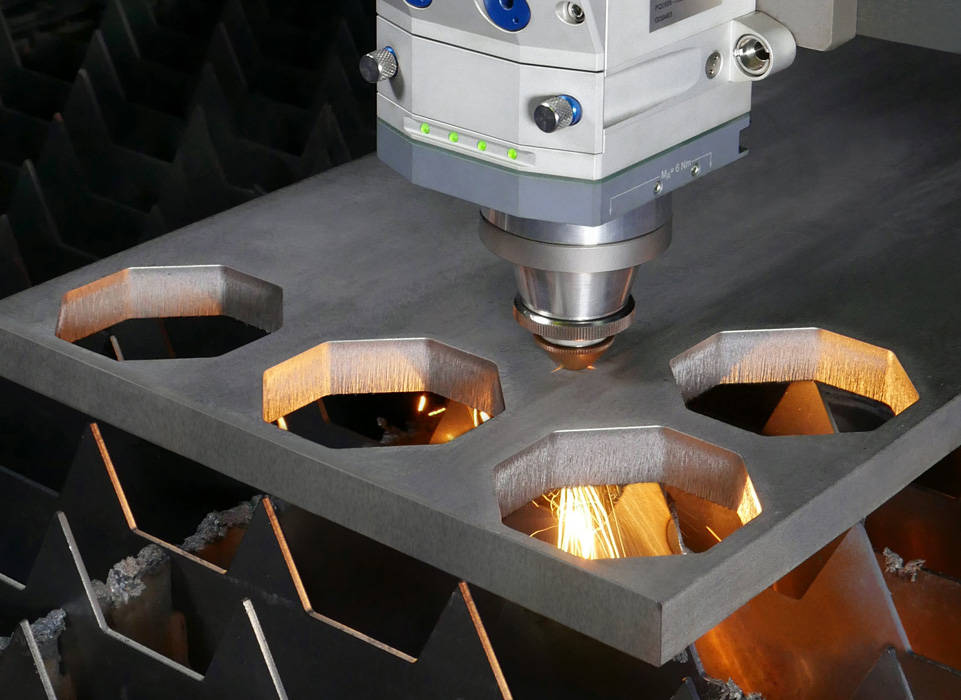
Fiber laser cutting is widely applied in industrial metal processing. Common materials including carbon steel, stainless steel, aluminum, copper and titanium differ greatly in laser absorption, thermal conductivity and reflectivity, requiring targeted processing parameters and operational strategies.
Carbon Steel is the most cost-effective and laser-friendly industrial material. Featuring low reflectivity and stable heat conduction, it enables fast, slag-free smooth cutting with medium and low-power equipment, ideal for sheet metal structures, mechanical frames and general fabrication.
Stainless Steel requires strict gas and parameter control. Nitrogen-assisted cutting delivers oxidation-free, bright and clean edges. Optimized high-power cutting eliminates burrs and streaks, meeting high-standard requirements for medical, food machinery and decorative components.
Aluminum & Copper are typical high-reflection metals. Their strong laser reflection and fast heat dissipation easily cause unstable cutting without precise calibration. Professional parameter and gas adjustment enables clean, flat cuts for aluminum alloy parts and copper conductive components.
Titanium & Alloy Metals are premium materials for aerospace and precision equipment. These high-strength, corrosion-resistant alloys are prone to oxidation and thermal deformation. Low-heat, high-precision laser cutting effectively retains material performance and ensures accurate, consistent finished parts.
Non-Metal Material Processing Rules
Laser cutters also support diverse nonmetal materials for advertising, customization, crafts and decoration. Nonmetals are highly heat-sensitive, requiring precise power and speed control to avoid charring, melting and deformation during processing.
Acrylic is a top nonmetal laser material. It delivers mirror-smooth, polished cutting edges with no secondary grinding needed, perfect for signs, displays and customized decorative products.
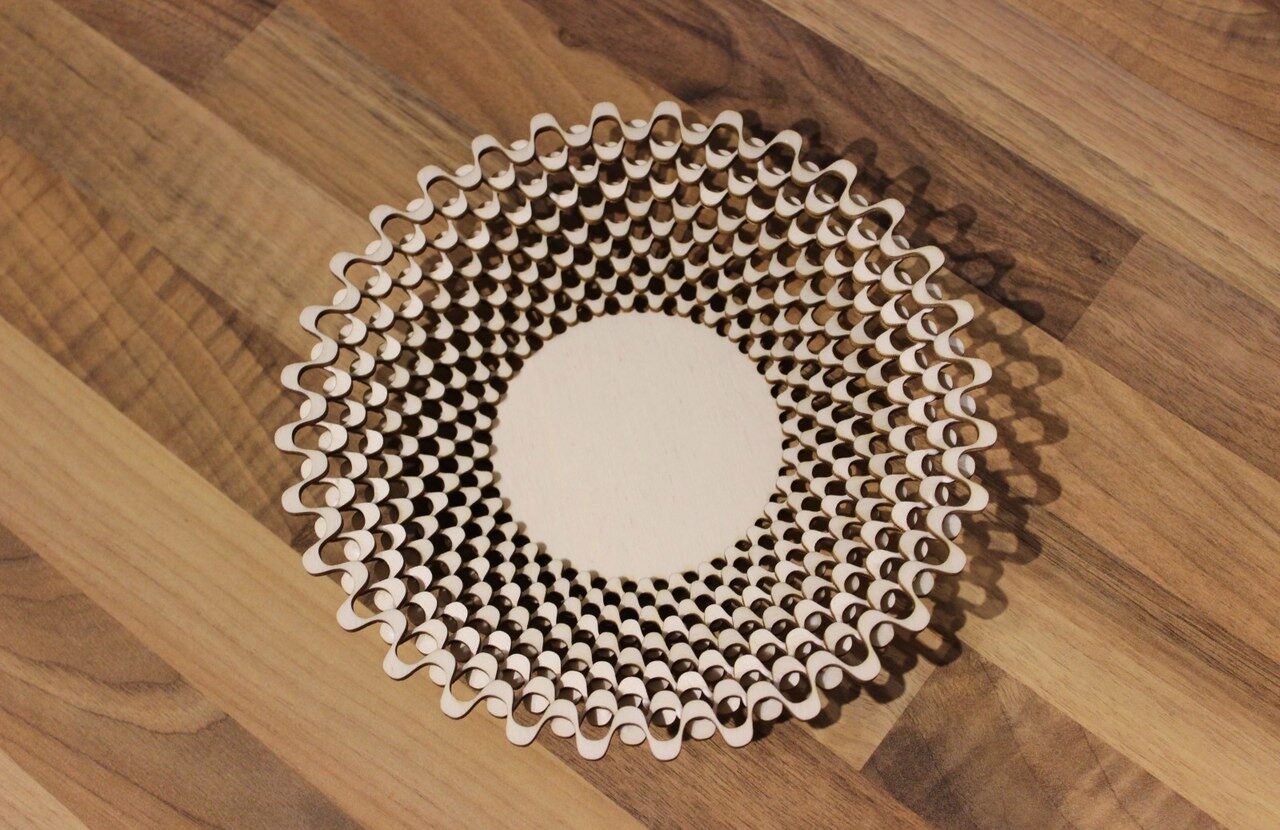
Wood & Plywood steadily absorb laser energy. Reasonable parameter settings produce clean, detailed cuts with minimal charring, suitable for wooden crafts, furniture accessories and custom artwork.
Plastic & Rubber need balanced parameters. Excessive power causes melting and edge adhesion, while overly fast speed leads to incomplete cuts. Proper matching ensures neat edges and flat surfaces for industrial gaskets and plastic parts.
Important Taboos: Avoid laser cutting PVC and chlorine-containing nonmetals. These materials release toxic, corrosive fumes when heated, damaging machine parts and posing safety risks to operators.
Material Selection Quick Reference Guide
For faster, more accurate material and power matching, here is a concise quick reference for common production scenarios:
1. Medium & thin metal sheets (≤6mm)
Medium-power laser cutters perfectly process carbon steel, stainless steel and thin aluminum sheets, delivering high-speed, cost-effective mass production.
2. Thick plates & high-reflection metals (≥10mm / copper, thick aluminum)
High-power fiber lasers are required to ensure full penetration, flat sections and zero residual slag.
3. Nonmetal & craft customization
Medium and low-power equipment offers optimal cost performance, preventing material burning and deformation while ensuring fine cutting details.
Conclusion
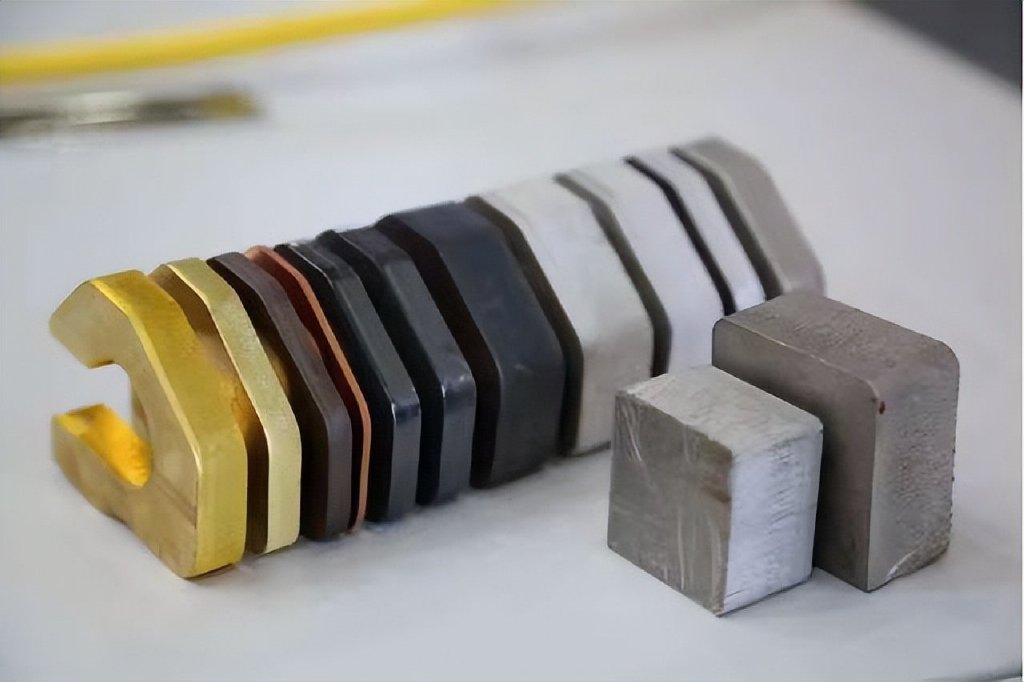
Fiber laser cutters support a full range of industrial metals and nonmetals to meet most fabrication and customization needs. Each material has unique processing adaptability and limitations. Matching suitable laser power and processing parameters based on material properties effectively improves cutting quality, reduces waste and boosts overall production efficiency.
