

When sourcing laser cutting machines, many buyers overemphasize basic parameters like accuracy, power, and speed. In fact, equipment compatibility with your production scenarios is the key to stable long-term efficiency and low operational costs. Reasonable selection based on actual processing needs helps you avoid common procurement pitfalls.

1. Why Laser Cutting Machines Dominate Modern Metal Processing
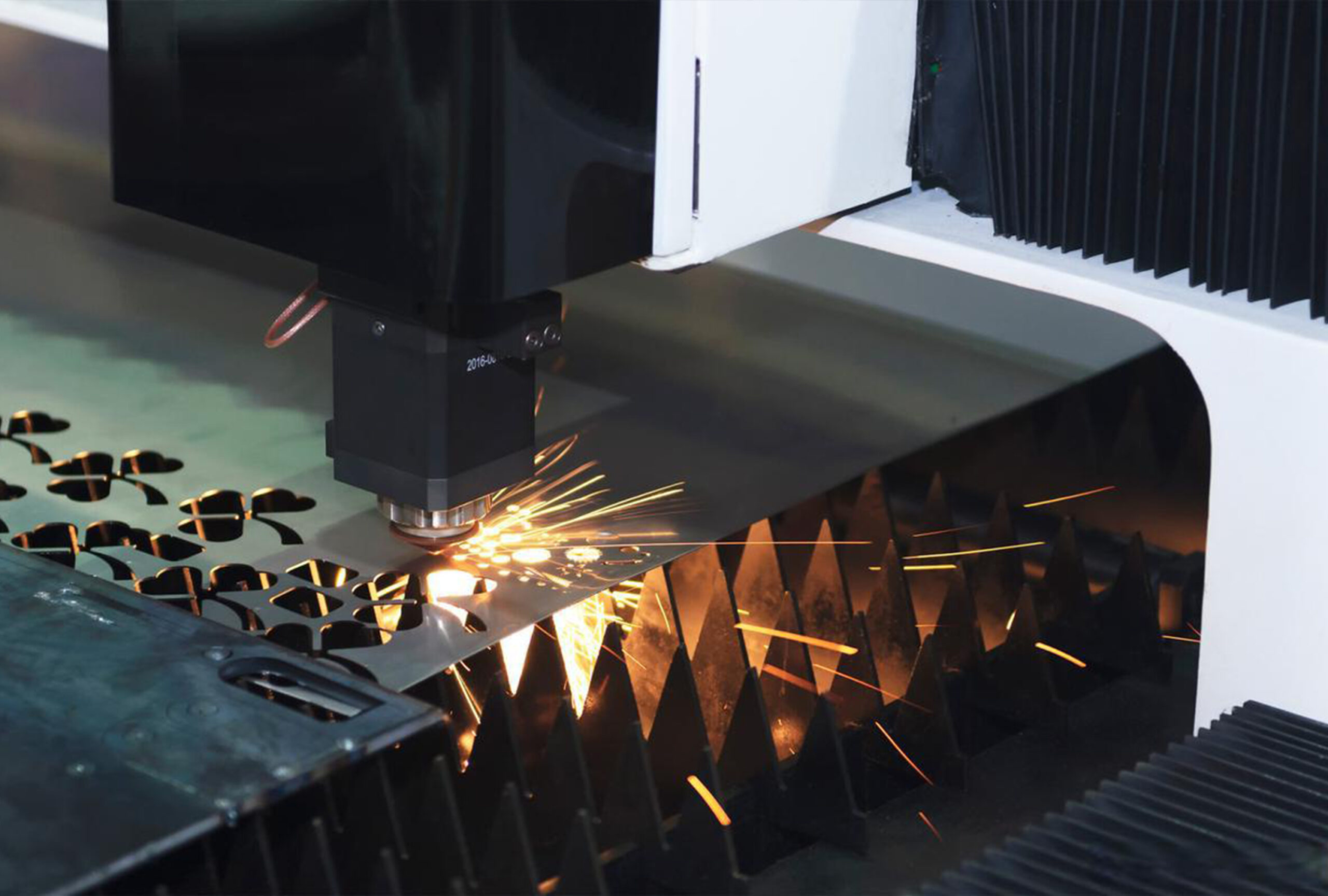
Traditional cutting processes such as plasma cutting are gradually being phased out in high-precision industrial manufacturing. Laser cutting technology has become the mainstream solution for sheet metal processing, automotive parts, cabinet manufacturing, and other industries, thanks to its comprehensive advantages in precision, energy efficiency, and material compatibility:
- Industry-Leading Precision: High-end laser cutting machines equipped with professional control systems achieve a repetitive positioning accuracy of ±0.02mm, fully meeting the stringent processing requirements of precision sheet metal parts.
- Superior Energy Efficiency: Compared with traditional CO₂ laser machines, fiber laser cutting machines reduce energy consumption by 30% to 50% when cutting sheets of the same thickness, delivering lower long-term operational costs.
- Wide Material Adaptability: A single device supports the processing of conventional materials ranging from 0.5mm thin stainless steel to 25mm thick carbon steel, covering most common sheet metal specifications.
Equipped with a dual-drive gantry structure, the machine maintains excellent stability even during high-speed operation, ensuring consistent cutting quality for mass production.
2. Main Types & Working Principles of Laser Cutting Machines
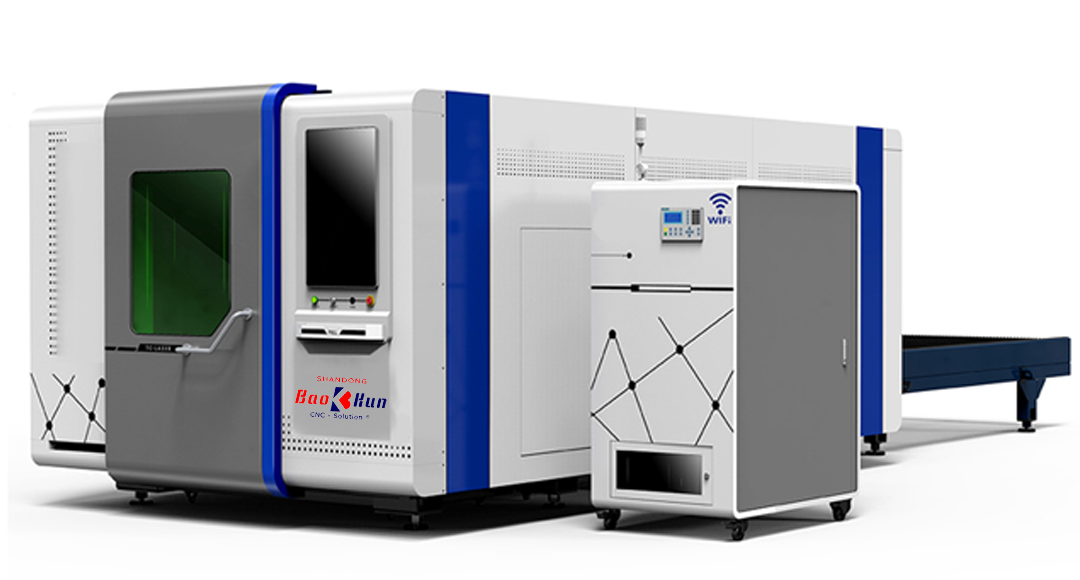
According to the type of laser generator, commercial laser cutting equipment is mainly divided into three categories, each with unique application scenarios and performance characteristics:
Fiber Laser Machine
It generates laser beams through ytterbium-doped fiber, with an electro-optical conversion efficiency of over 35%. It is the preferred equipment for continuous cutting of metal materials such as stainless steel and aluminum alloy, featuring high efficiency and stable performance.
CO₂ Laser Machine
The laser is excited by gas discharge with a 10.6μm wavelength, which has an extremely high absorption rate for non-metallic materials. It is widely used for cutting and engraving acrylic, wood, and other non-metallic materials, making it ideal for the advertising and signage industry.
Disc Laser Machine
Its overall performance is between fiber and CO₂ laser machines. It boasts low daily maintenance costs but comes with a higher initial procurement price, suitable for high-end customized processing scenarios.
Key Selection Tip: Choose a fiber laser machine for all metal processing scenarios; opt for a CO₂ laser machine if your core business focuses on non-metallic engraving and cutting.
3. Core Selection Dimensions: Match Equipment to Your Actual Needs
Excessively high or low configurations will cause cost waste or capacity limitations. The optimal solution is to match equipment parameters to your actual materials, workpiece shapes and process requirements.
Flat Metal Processing
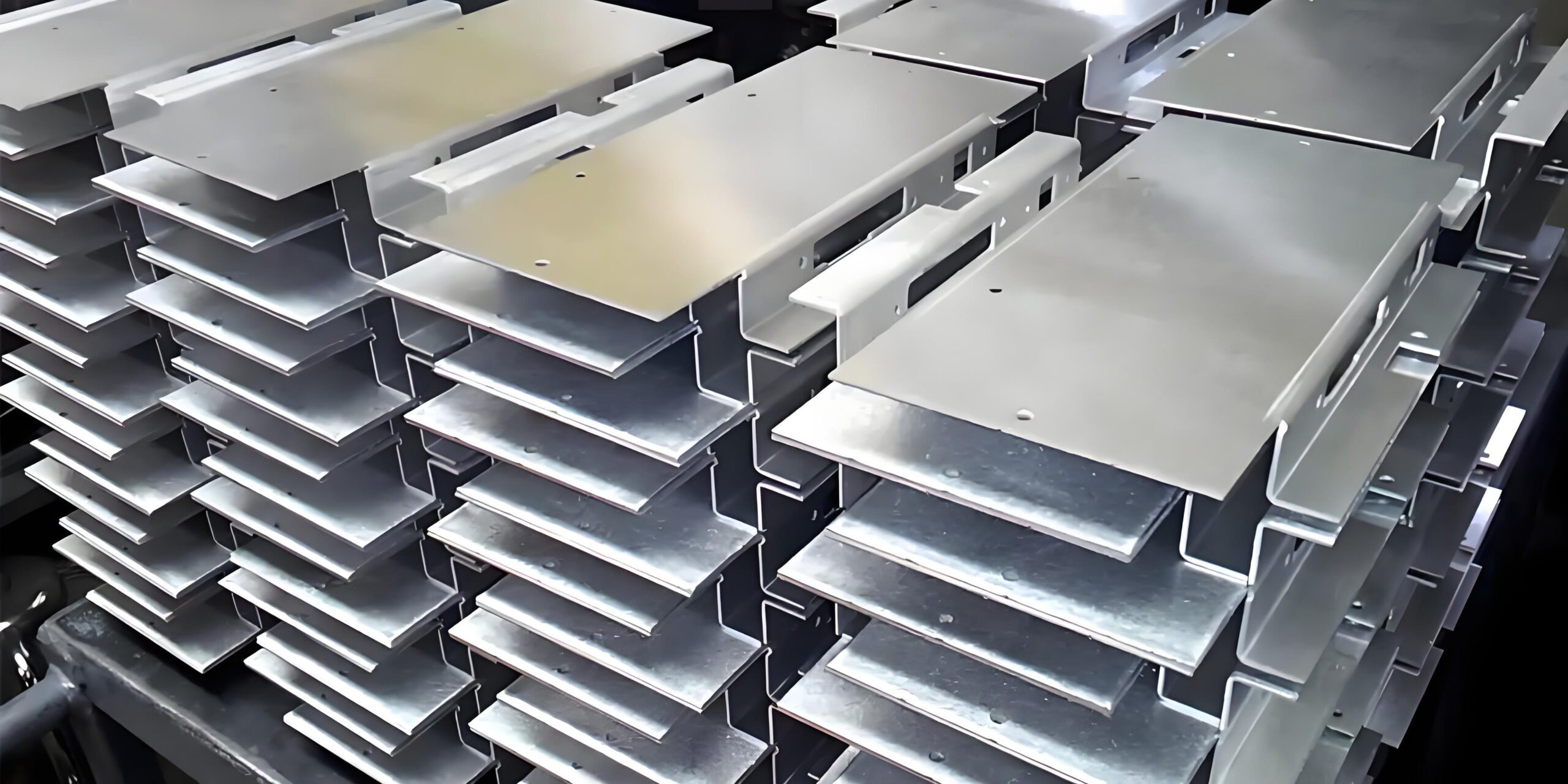
For conventional sheet metal workpieces, select the corresponding power and table size based on material thickness to balance efficiency and cost.
3D Special-Shaped Processing
For complex special-shaped workpieces such as automotive exhaust pipes and structural parts, a 6-axis robotic arm 3D laser cutting machine is required, with a repetitive positioning accuracy controlled within 0.1mm to ensure precise cutting of curved and irregular surfaces.
Non-Metallic Processing
For garment molds, packaging samples, and other non-metallic products, a non-metallic laser cutting machine with a large working table and honeycomb platform is recommended. The honeycomb platform effectively supports soft and thin materials to avoid deformation and ensure flat cutting surfaces.
4. Essential Supporting Equipment to Boost Production Efficiency
A premium main unit guarantees basic production capacity, while professional supporting equipment is critical to long-term operational stability and efficiency.
Industrial Dust Removal System
Laser cutting produces a large amount of metal smoke and dust. The pulse back-blow filter cartridge dust remover can filter more than 96% of smoke and dust, preventing precision guide rails, lenses, and core components from contamination, reducing equipment failure rates, and improving the workshop working environment.
Intelligent Focus-Tunable Cutting Head
The thermal lens effect generated during long-term high-power operation will affect cutting accuracy. The intelligent automatic focus-tunable cutting head can dynamically compensate for the thermal lens effect, effectively extending the service life of protective lenses and reducing frequent replacement costs.
Constant-Temperature Chiller
Laser beam quality is extremely sensitive to temperature fluctuations. Excessive temperature deviation will cause beam distortion and unstable cutting quality. A dual-temperature-control chiller is configured to stabilize the internal temperature of the laser generator, maintaining stable output power at all times.
5. Daily Maintenance Solutions for Common Equipment Problems
Scientific daily maintenance minimizes equipment failures, stabilizes cutting performance, and prolongs the machine’s service life.
Lens Daily Maintenance
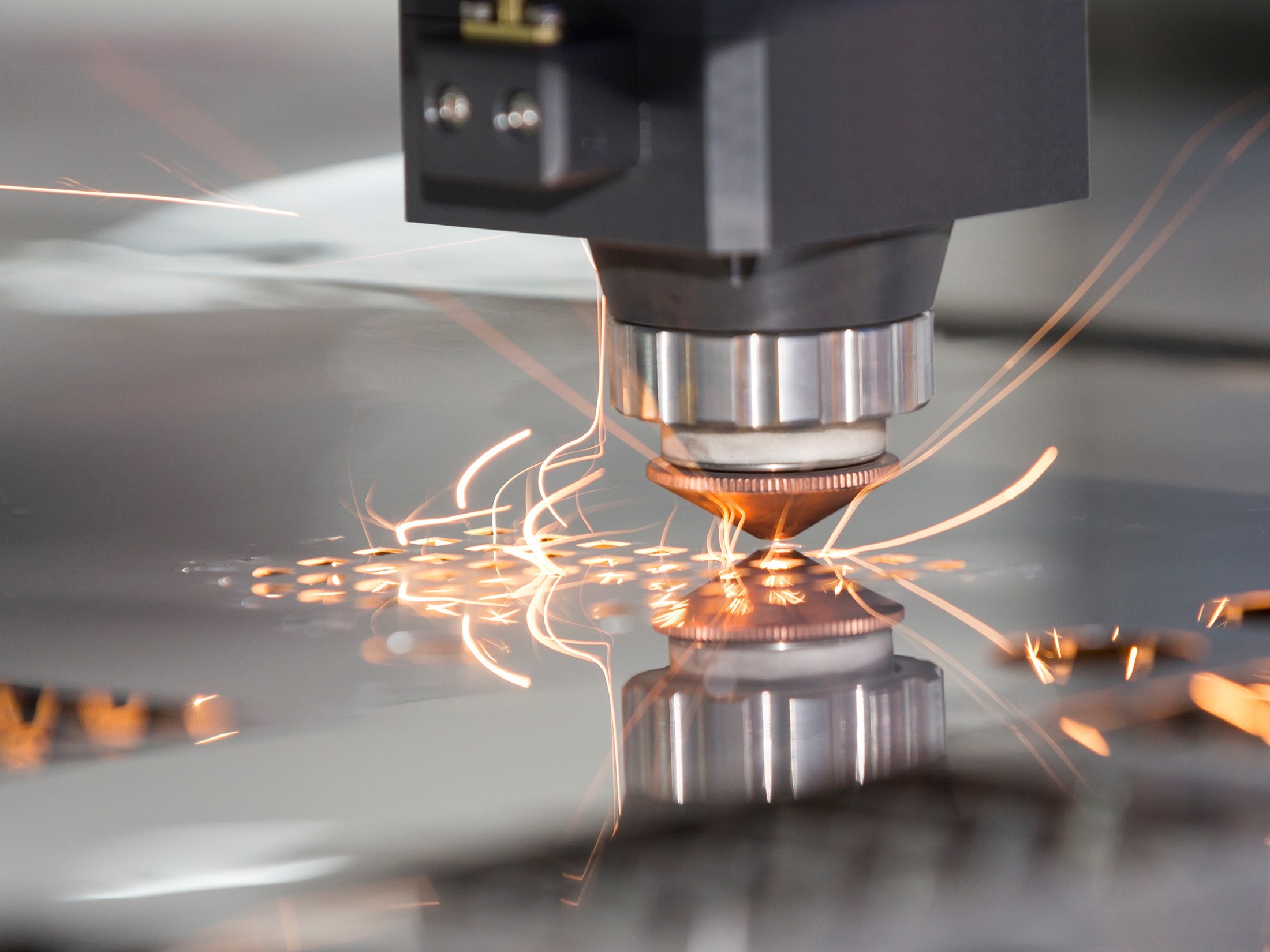
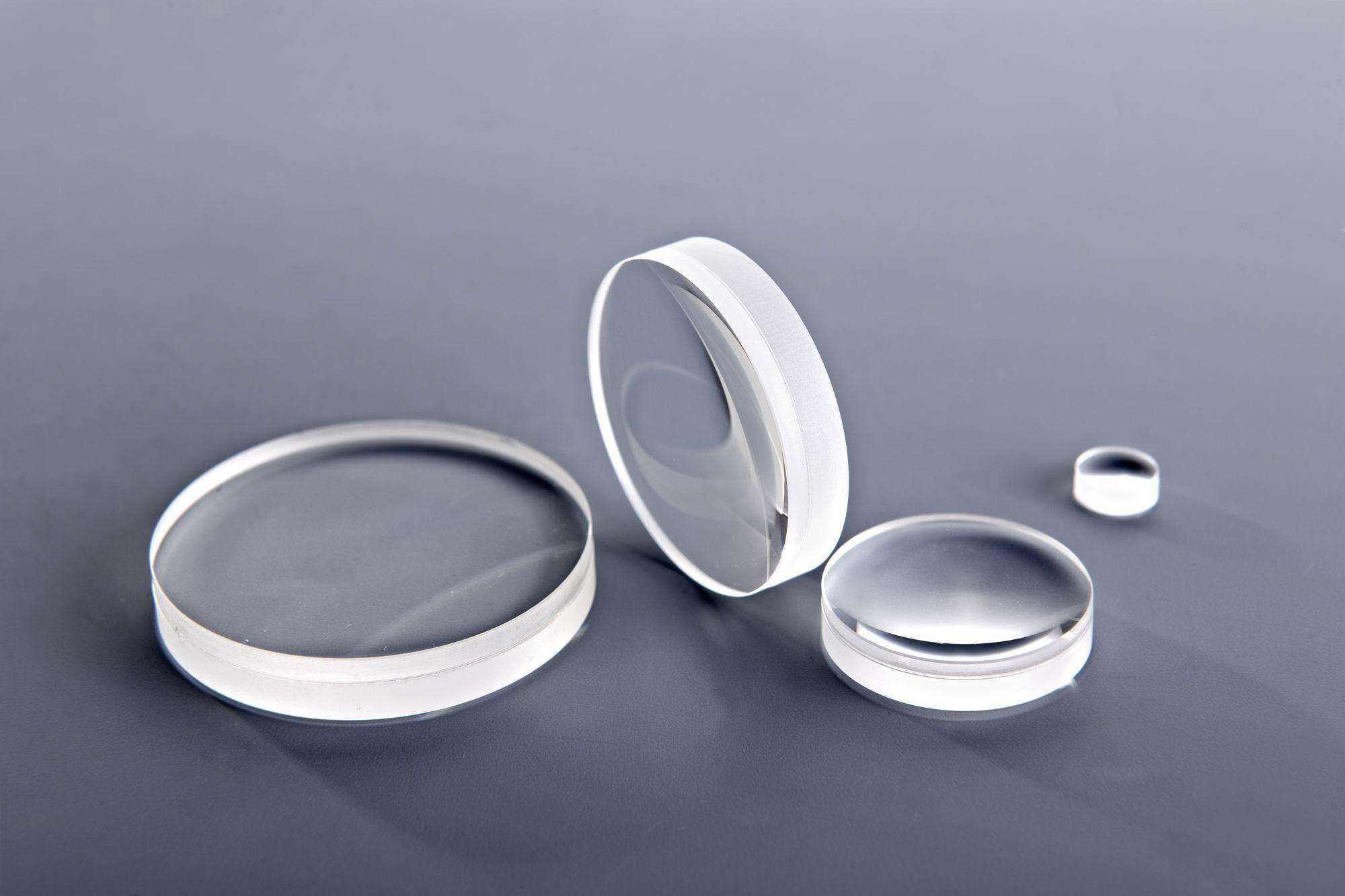
The lens is a vulnerable core component. Regular inspection of the coating status is required. High-quality coated lenses deliver longer service life than ordinary lenses, effectively reducing replacement frequency and downtime losses.
Precise Water Temperature Control
Small temperature fluctuations of the laser will directly lead to reduced beam quality and defective workpieces. It is necessary to maintain stable water pressure and flow of the chiller and control the operating temperature within a reasonable range to ensure consistent cutting effect.
Final Procurement Decision Guidelines
Follow three core principles to select cost-effective laser cutting equipment and avoid procurement errors:
- Material Determines Laser Type: Metal materials correspond to fiber laser machines; non-metallic materials correspond to CO₂ laser machines.
- Output Determines Power Configuration: Match low and medium power for thin sheets and high power for thick sheets to adapt to daily production volume.
- Process Determines Additional Functions: Configure 3D cutting, automatic engraving, and other functions according to process complexity.
Key Takeaways: Select laser machine type by processing materials, match equipment power by production volume, and configure extra functions by process complexity. We recommend conducting sample cutting tests with your actual workpieces and verifying the manufacturer’s process adaptability before purchase, to select the most cost-effective equipment for your production.
