
Laser cutting is efficient but carries significant safety risks (laser radiation, fire, mechanical injuries) without proper protocols. Prioritizing its safety and compliance is a moral obligation to protect operators and a legal requirement to avoid fines, while ensuring a secure workplace and equipment longevity.
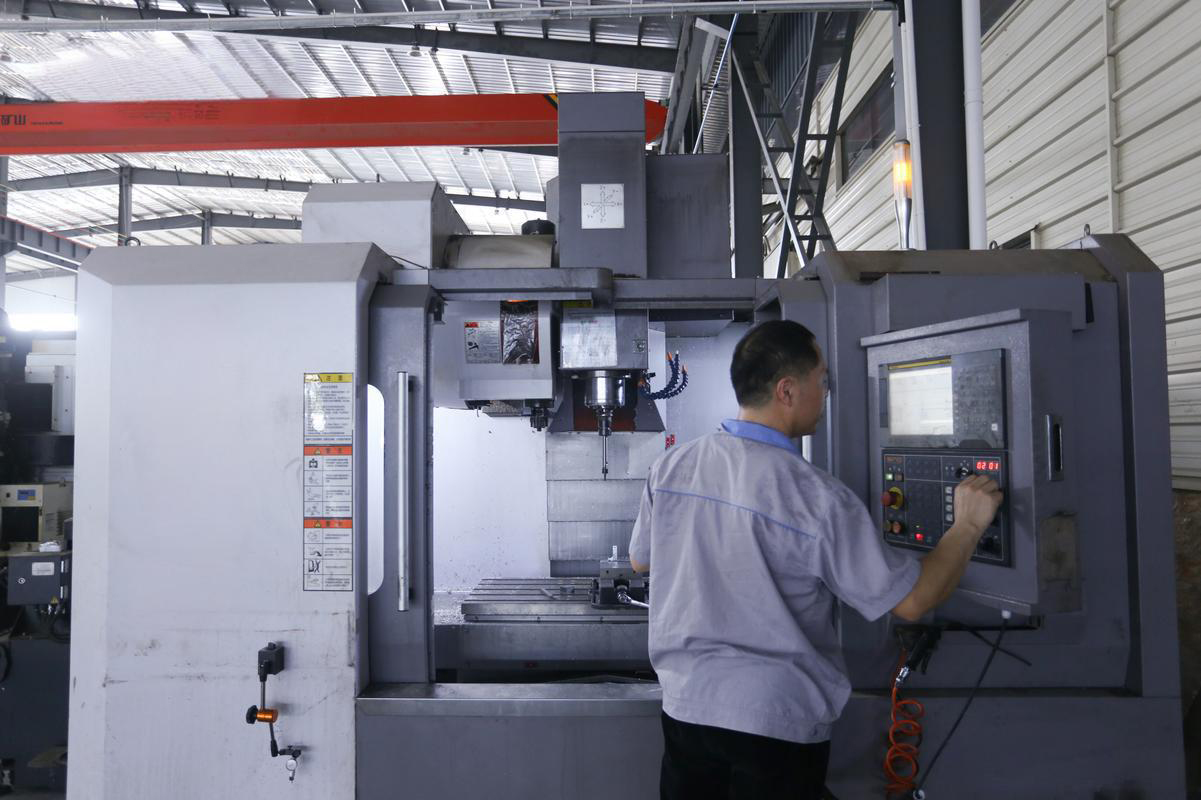
Key Safety Risks in Laser Cutting Operations
Understanding primary hazards is the first step to effective safety. Common risks:
-
Laser Radiation Exposure: Direct/scattered beams cause permanent eye damage and skin irritation; high-power fiber lasers (12kW+) can injure severely in seconds.
-
Fire & Explosion Hazards: Intense heat from cutting can ignite flammables (metal dust, gases); poor ventilation or waste disposal heightens this risk.
-
Mechanical Injuries: Moving parts and manual handling may cause crush injuries, cuts, or falls; unsecured workpieces amplify risks.
-
Toxic Fumes & Dust: Cutting metals (stainless steel, aluminum) produces toxic fumes/dust that cause respiratory issues without proper ventilation.
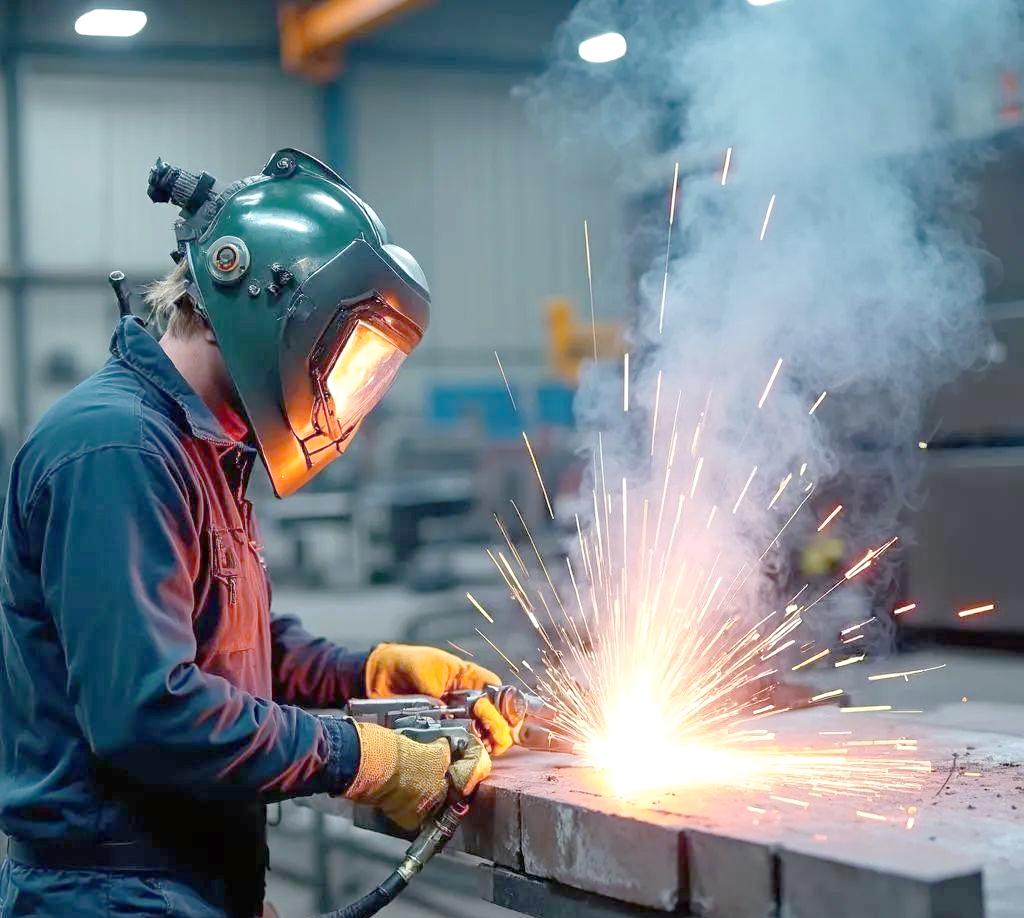
Essential Laser Cutting Safety Measures
These measures minimize risks and protect operators, equipment, and your business:
-
Protective Equipment (PPE): Operators need wavelength-matched laser safety glasses, heat-resistant gloves/aprons, and respirators for toxic fumes.
-
Laser Enclosure & Interlocks: Opaque enclosures prevent laser leakage; interlocks shut down lasers if enclosures open.
-
Ventilation & Fume Extraction: High-efficiency systems remove toxic fumes/dust, complying with occupational health standards (e.g., OSHA).
-
Operator Training: Comprehensive training on safety, operation, and emergencies ensures certified, hazard-aware operators.
-
Regular Maintenance: Routine inspections of components and safety systems prevent faults that increase risks.
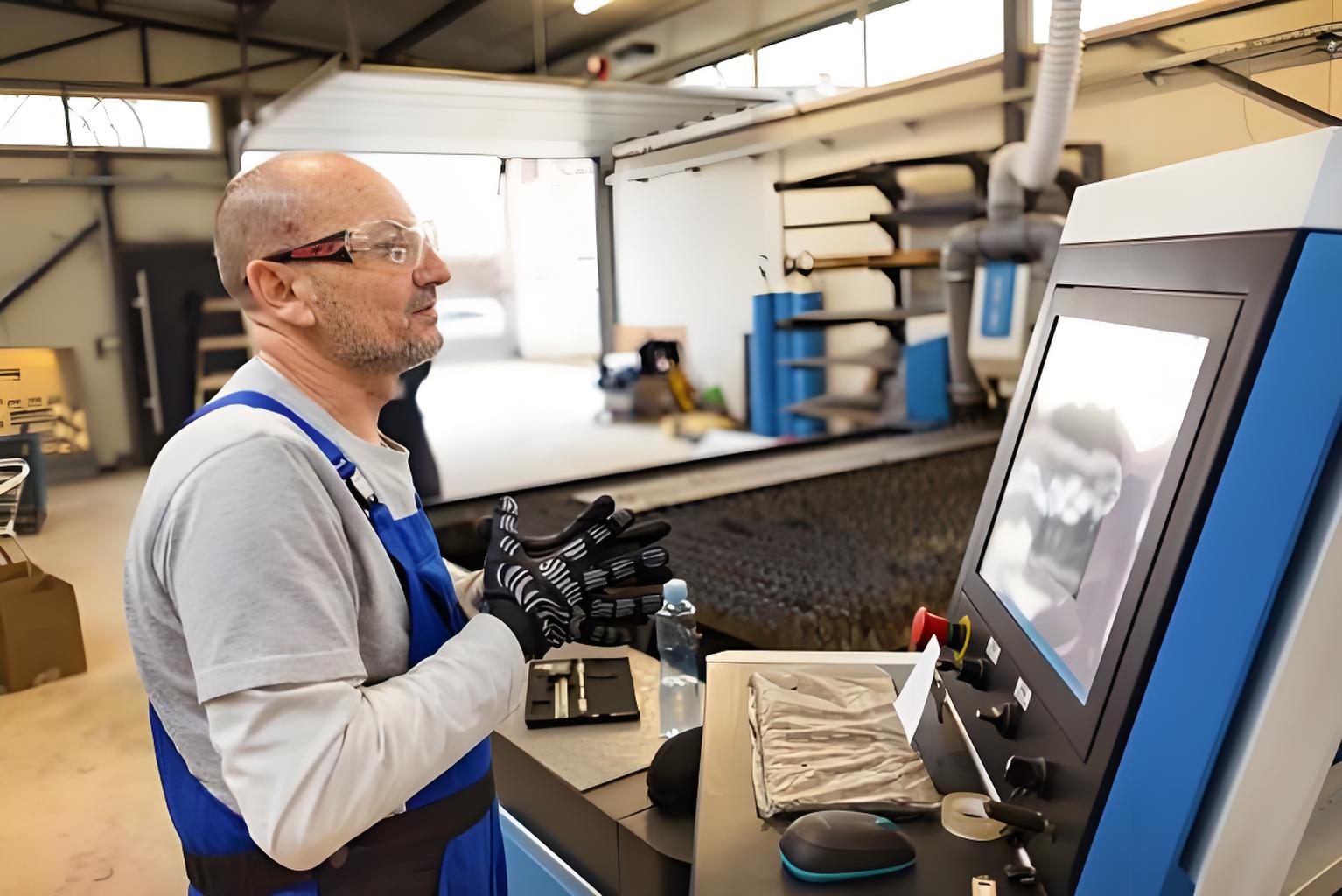
Global Safety Compliance Standards
Global manufacturers must comply with key international standards:
-
ANSI Z136 (U.S.): Primary U.S. laser safety standard, covering classification, PPE, and workplace protocols.
-
EN 60825 (EU): European standard governing laser classification, emission limits, and safety measures.
-
ISO 11553: International standard for laser cutter design, enclosures, and interlocks.
Non-compliance leads to fines, shutdowns, and legal liability—making it critical for operations.
Benefits of Prioritizing Safety & Compliance
Investing in safety and compliance delivers long-term business benefits:
-
Protected Operators: Fewer injuries, better morale, and lower absenteeism.
-
Reduced Downtime: Prevents accident-related unplanned production stops.
-
Legal & Reputational Protection: Avoids fines, lawsuits, and brand damage.
-
Extended Equipment Lifespan: Reduces wear, lowering repair/replacement costs.
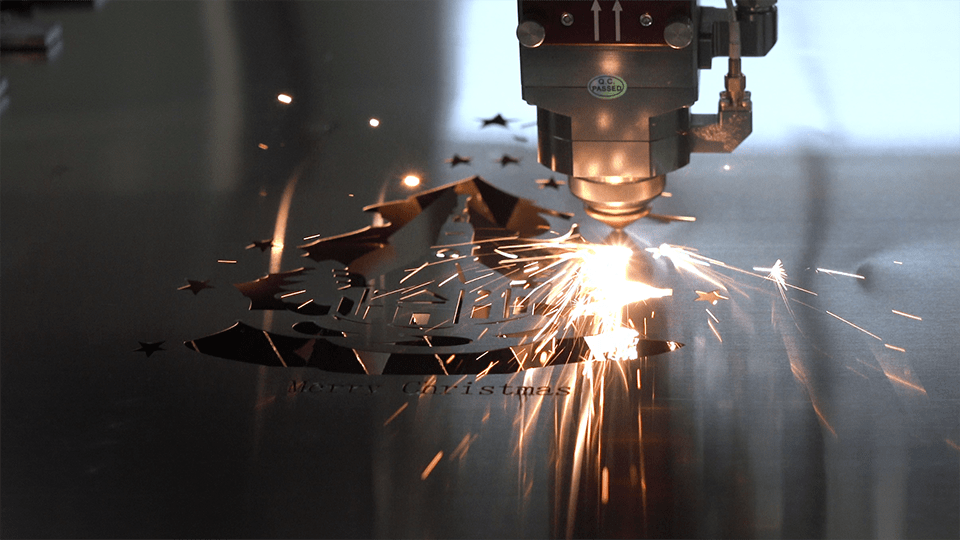
In conclusion, laser cutting safety and compliance are vital to manufacturing success. Identifying risks, implementing robust measures, and adhering to standards protects your operators, equipment, and business—making safety a strategic investment.
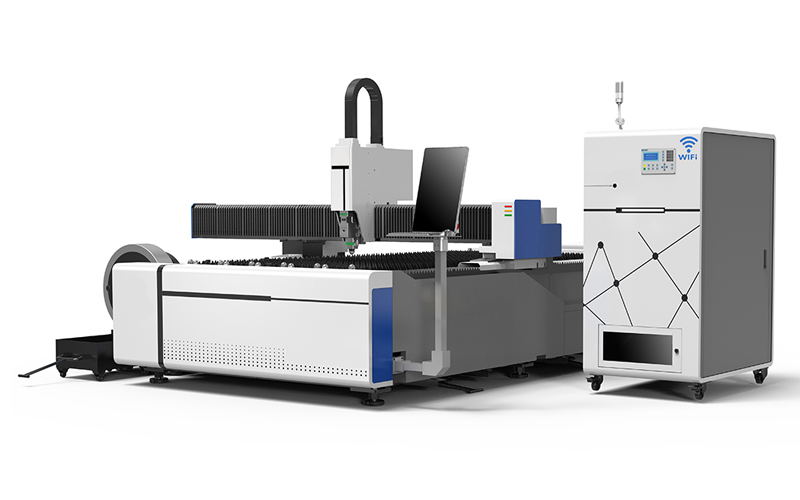
Our laser cutting machines fully comply standards, featuring advanced safety designs to eliminate hazards. Our professional technical team also provides comprehensive guidance and on-site support, ensuring your operations are safe, compliant, and efficient.