

Introduction
Edge defects are the most common problems in daily laser cutting production. Rough edges, longitudinal stripes, edge burning, burrs and oxidation discoloration often lead to rework, low yield and increased post-polishing workload.
Most edge quality issues are not caused by machine failure. They come from incorrect parameters, poor gas stability, worn accessories and improper operation.

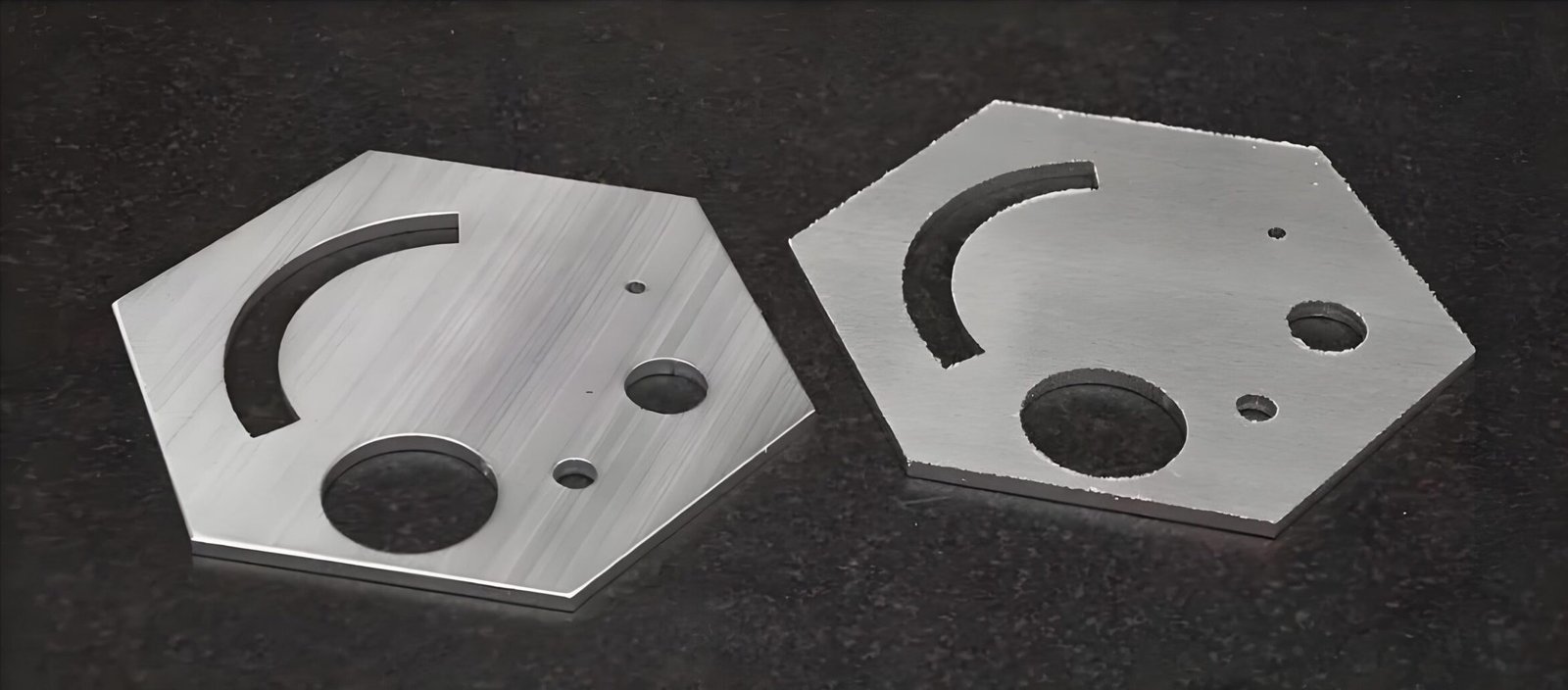
1. Cutting Edge Burrs and Sticky Slag
Burrs are the most frequent defect in laser processing. Molten metal cannot be completely blown off and adheres to the workpiece bottom.
Main Causes
- Unstable gas pressure or insufficient airflow
- Nozzle wear, offset or incorrect model
- Cutting speed too slow or laser power mismatched
Solutions
- Increase auxiliary gas pressure properly
- Replace worn or eccentric nozzles
- Adjust power and speed parameters to match the plate thickness
2. Longitudinal Stripes and Rough Section
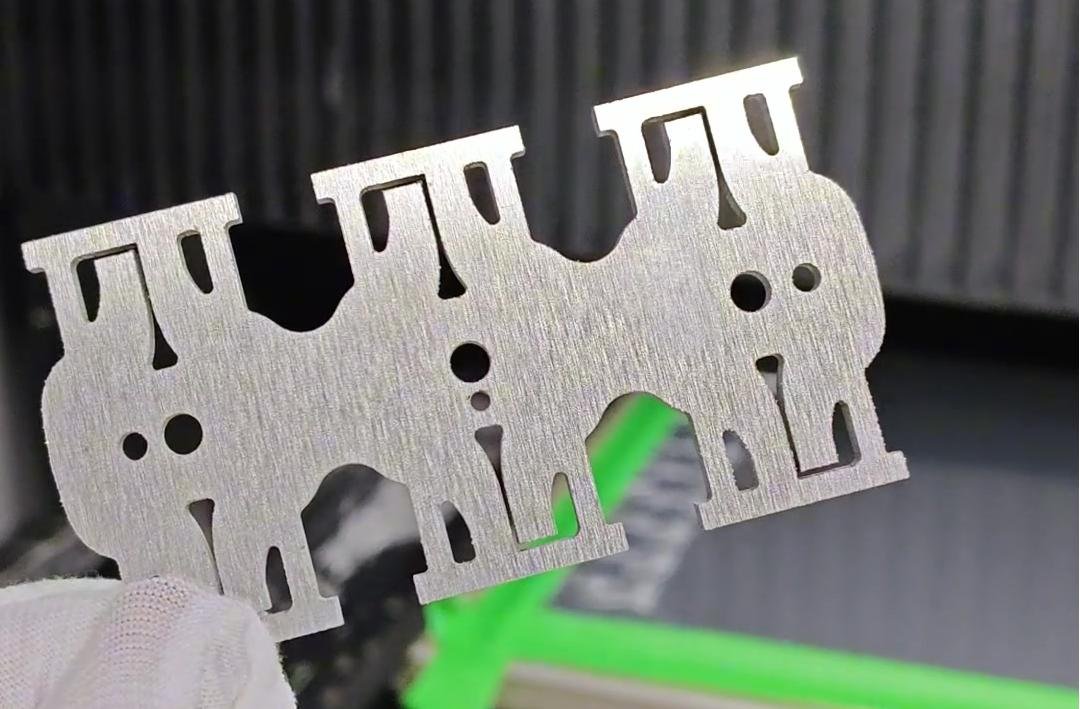
Vertical stripes on the cutting section make the surface uneven, affecting flatness and assembly accuracy.
Main Causes
- Incorrect laser focus position
- Dirty protective lens causing scattered beam
- Unstable machine operation and slight vibration
Solutions
- Recalibrate laser focus height
- Clean or replace contaminated optical lenses
- Check guide rail lubrication and machine levelness
3. Edge Oxidation and Yellow / Black Discoloration
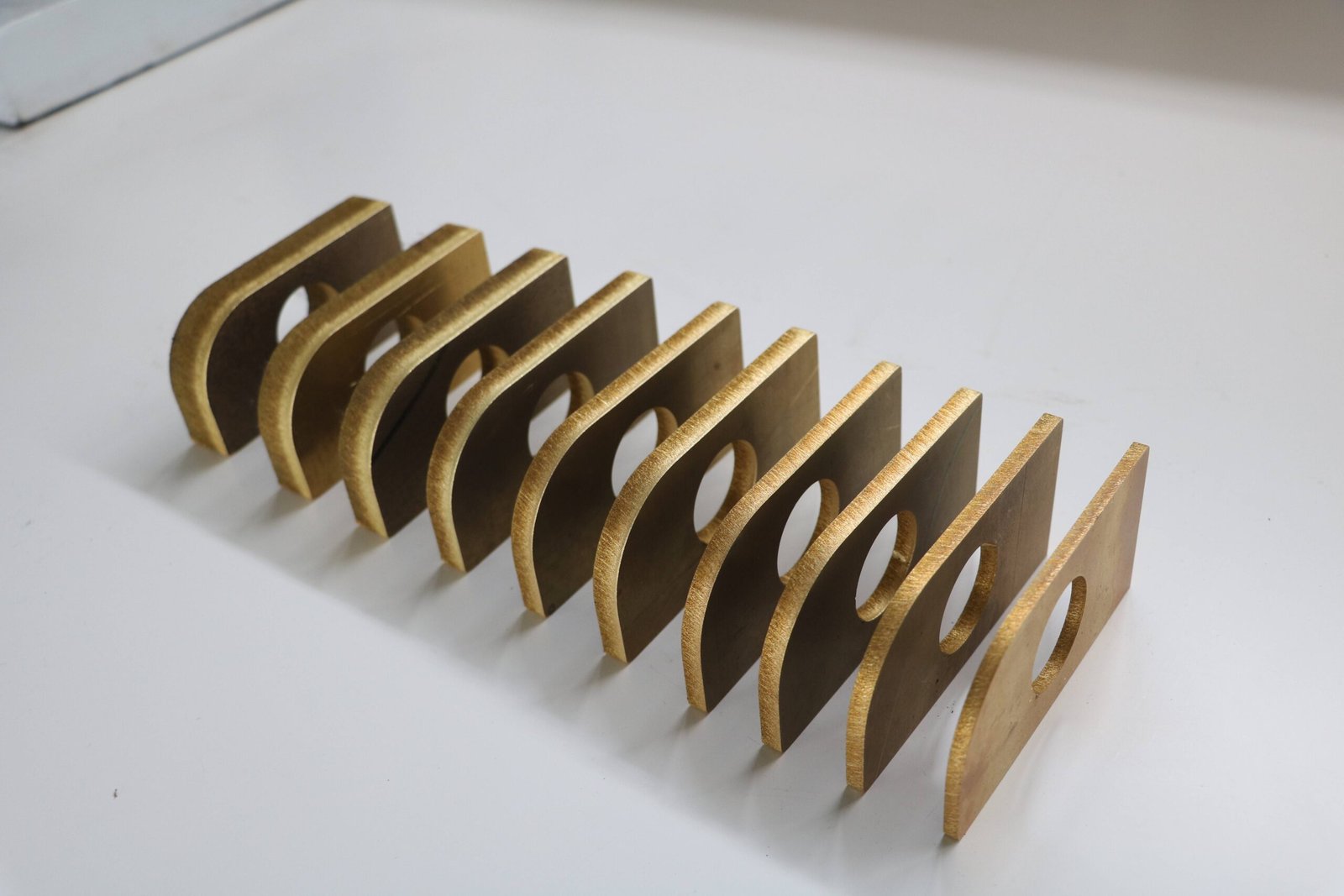
Oxidation marks often appear on stainless steel and aluminum cutting edges, causing poor surface finish.
Main Causes
- Low gas purity or impure compressed air
- Excessive heat accumulation during cutting
- Unsuitable gas type selection
Solutions
- Use high-purity nitrogen for stainless steel and aluminum
- Optimize cutting speed to reduce thermal retention
- Avoid air cutting for high-precision appearance parts
4. Edge Burning and Melting Collapse
Thin plates often have over-burning, melted edges and deformed contours.
Main Causes
- Laser power too high
- Cutting speed too slow
- Excessive heat concentration
Solutions
- Reduce laser power appropriately
- Increase cutting speed for thin sheets
- Optimize focus position to reduce surface heat accumulation
5. Uneven Cutting Kerf Width
Inconsistent slit width leads to dimensional errors and assembly gaps.
Main Causes
- Unstable laser beam quality
- Blocked gas holes and uneven airflow
- Mechanical deviation during long operation
Solutions
- Inspect and clean the cutting head air path
- Calibrate beam verticality and focus
- Maintain transmission system regularly
Conclusion
Almost all laser cutting edge defects can be solved by adjusting parameters, replacing accessories and standardizing operation.
Timely troubleshooting can effectively reduce defective rates, save post-processing time and improve overall production efficiency.
If you encounter difficult edge quality problems that are hard to fix, our technical team can provide professional one-on-one process debugging support.
