

Introduction
Incomplete cutting is one of the most frequent and troublesome failures in daily fiber laser processing. Many fabricators encounter situations where the laser cannot cut through metal plates, resulting in unseparated workpieces, continuous material connection, scattered cutting sparks, and low finished product yield.
Incomplete cutting is not always caused by machine breakdown. Most problems stem from improper parameter settings, aging accessories, unstable gas supply and irregular operation. This article systematically sorts out the core causes and practical troubleshooting methods to help you quickly solve cutting-through failures and restore stable production.
1. Unmatched Laser Power and Cutting Speed
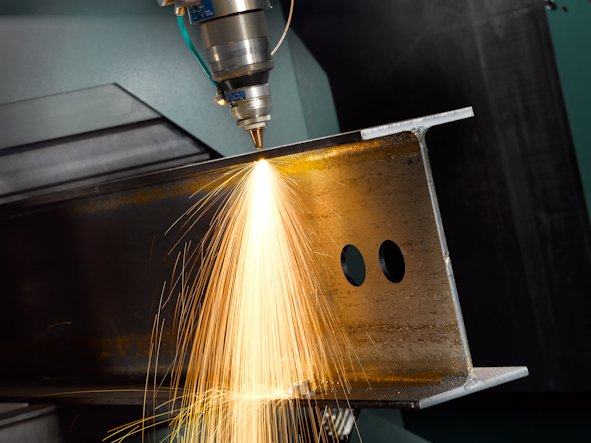
Power and speed mismatch is the leading cause of incomplete cutting. If the cutting speed is too fast for the set laser power, the laser energy cannot accumulate sufficiently to penetrate the plate, resulting in intermittent cutting and uncut residual lines.
In other cases, long-term high-load operation leads to slight laser attenuation. If operators continue using original parameters, the actual laser energy will be insufficient for full penetration. Timely slow down the cutting speed or appropriately increase the power compensation to solve incomplete cutting problems.
2. Dirt, Damage or Deviation of Optical Components
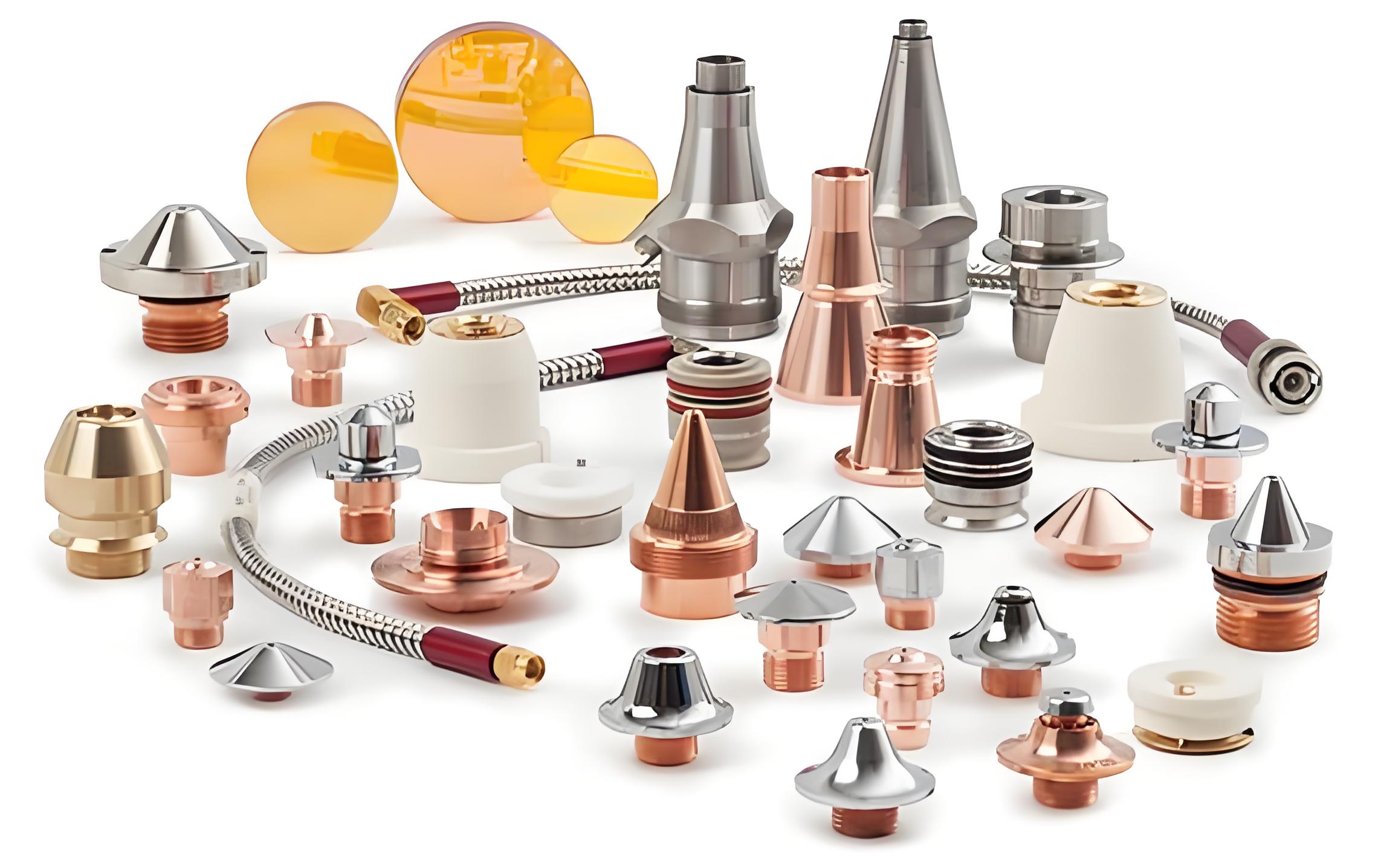
Protective lenses, focusing lenses and nozzles directly affect laser beam transmission. Dust, oil stains, metal spatter and scratches on optical parts will scatter laser energy and reduce beam concentration.
When the laser beam becomes divergent, the effective energy acting on the metal surface decreases sharply, causing shallow cutting traces and incomplete penetration. Regular inspection, cleaning and timely replacement of damaged lenses and nozzles can eliminate most beam-caused cutting failures.
3. Unstable Auxiliary Gas Pressure and Insufficient Airflow
Auxiliary gas assists in melting metal and blowing away slag during laser cutting. Insufficient gas pressure or fluctuating airflow cannot completely remove molten metal, leaving residual connections at the bottom of the plate.
Low gas purity, blocked gas pipelines and unstable gas valve output will also weaken cutting performance. Keeping stable gas pressure, unobstructed gas paths and high-purity auxiliary gas is essential for full penetration cutting, especially for medium and thick plates.
4. Incorrect Laser Focus Position
The focus position determines the laser energy density on the material surface. If the focus is too high, the laser spot becomes larger and energy disperses, failing to penetrate thick plates. If the focus deviates up and down during dynamic cutting, periodic incomplete cutting will appear.
Different metal thicknesses and materials require independent focus calibration. Many incomplete cutting problems can be solved simply by recalibrating the focus height according to actual processing conditions.
5. Mechanical Vibration and Platform Level Deviation
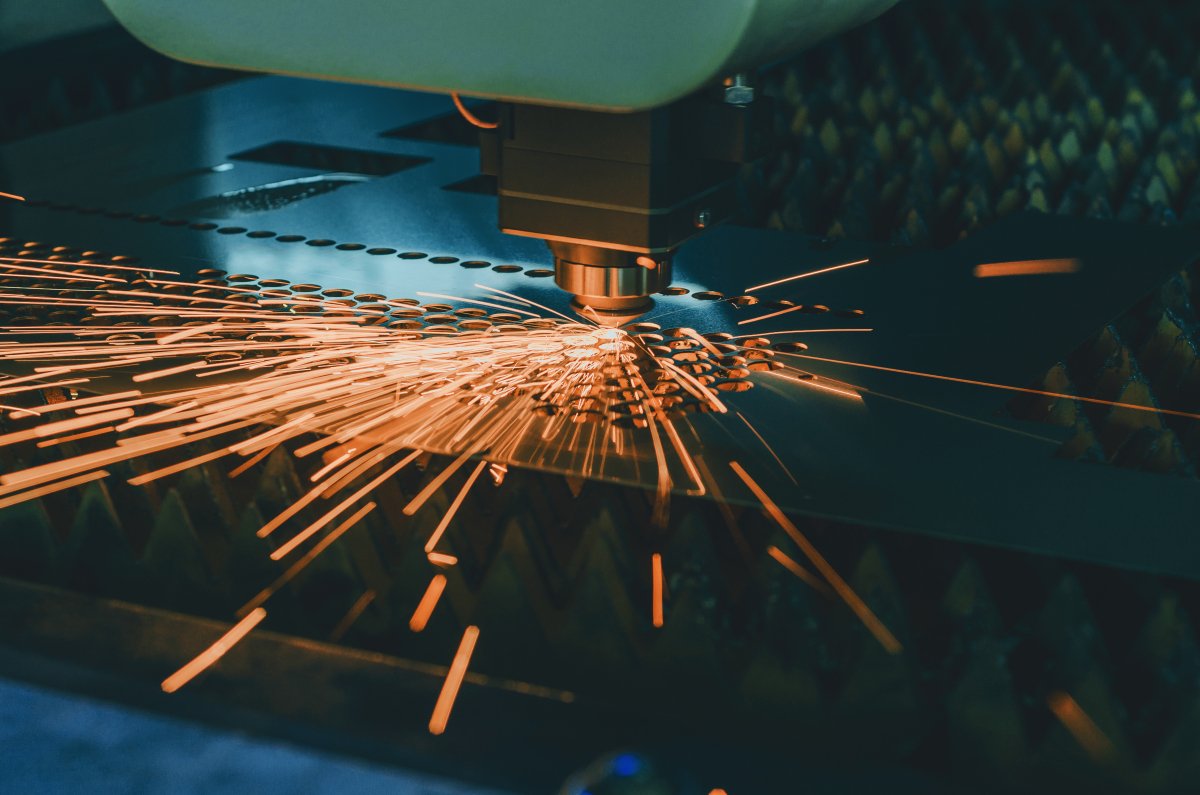
Long-term factory operation may cause equipment level deviation, loose guide rails, unstable transmission belts and mechanical vibration. Slight vibration during cutting will shake the laser beam, resulting in uneven cutting tracks and intermittent uncut points.
Workpiece deformation and uneven plate placement also create tiny gaps between the material and the cutting platform, affecting laser penetration stability. Regular mechanical inspection and platform leveling can effectively avoid vibration-induced cutting defects.
6. Material Quality and Thickness Tolerance Problems
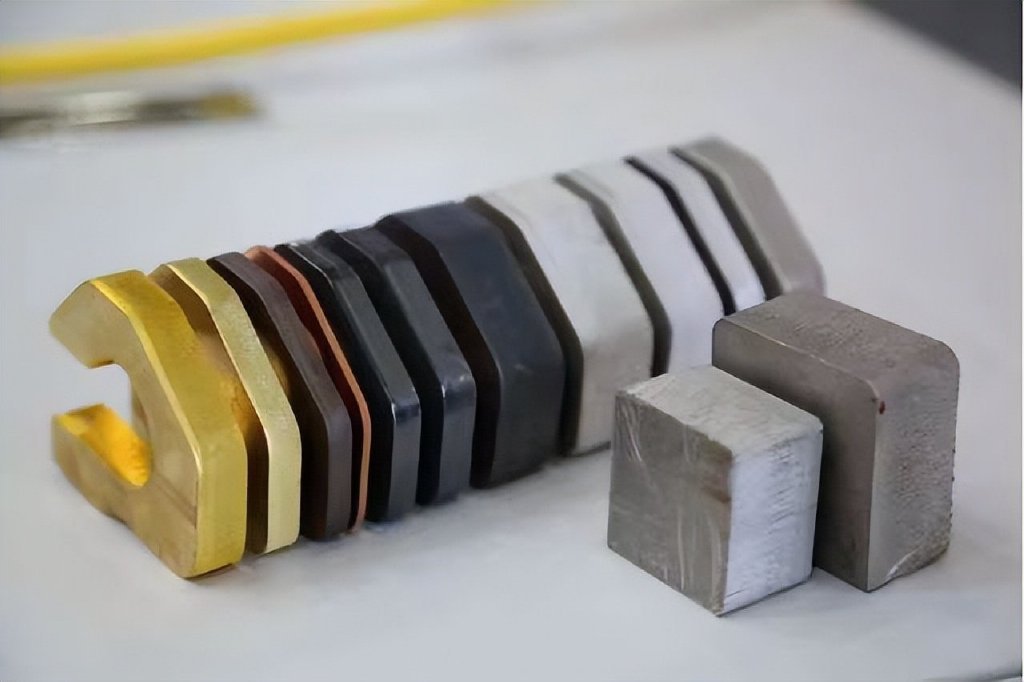
Uneven material thickness, impure metal composition and oxidized surface layers will increase cutting difficulty. Some low-quality steel plates contain impurity layers that block laser penetration, causing local incomplete cutting even with standard parameters.
For materials with poor surface conditions, proper pre-treatment and parameter fine-tuning are required to ensure stable cutting results.
Quick Troubleshooting Checklist
1. Slow down cutting speed or increase laser power appropriately
2. Clean or replace dirty and damaged lenses and nozzles
3. Check and stabilize auxiliary gas pressure and pipeline smoothness
4. Recalibrate laser focus height and beam verticality
5. Inspect mechanical transmission stability and platform level
6. Confirm material quality and perform surface preprocessing
Conclusion
Incomplete laser cutting is a comprehensive problem caused by parameters, accessories, gas supply, mechanical stability and material conditions. Most failures can be eliminated through standardized inspection and fine adjustment instead of equipment maintenance.
Standard daily inspection and parameter management can greatly improve cutting stability and reduce defective rates. If you encounter persistent cutting failures that cannot be solved, our professional team can provide remote process debugging and customized technical support for your laser cutting machine.
