
Introduction
The rack and pinion is a key transmission component of fiber laser cutters, determining cutting accuracy and machine stability. Dust, heavy loads and poor lubrication often lead to failures. This guide lists common faults, causes, troubleshooting steps and maintenance advice.
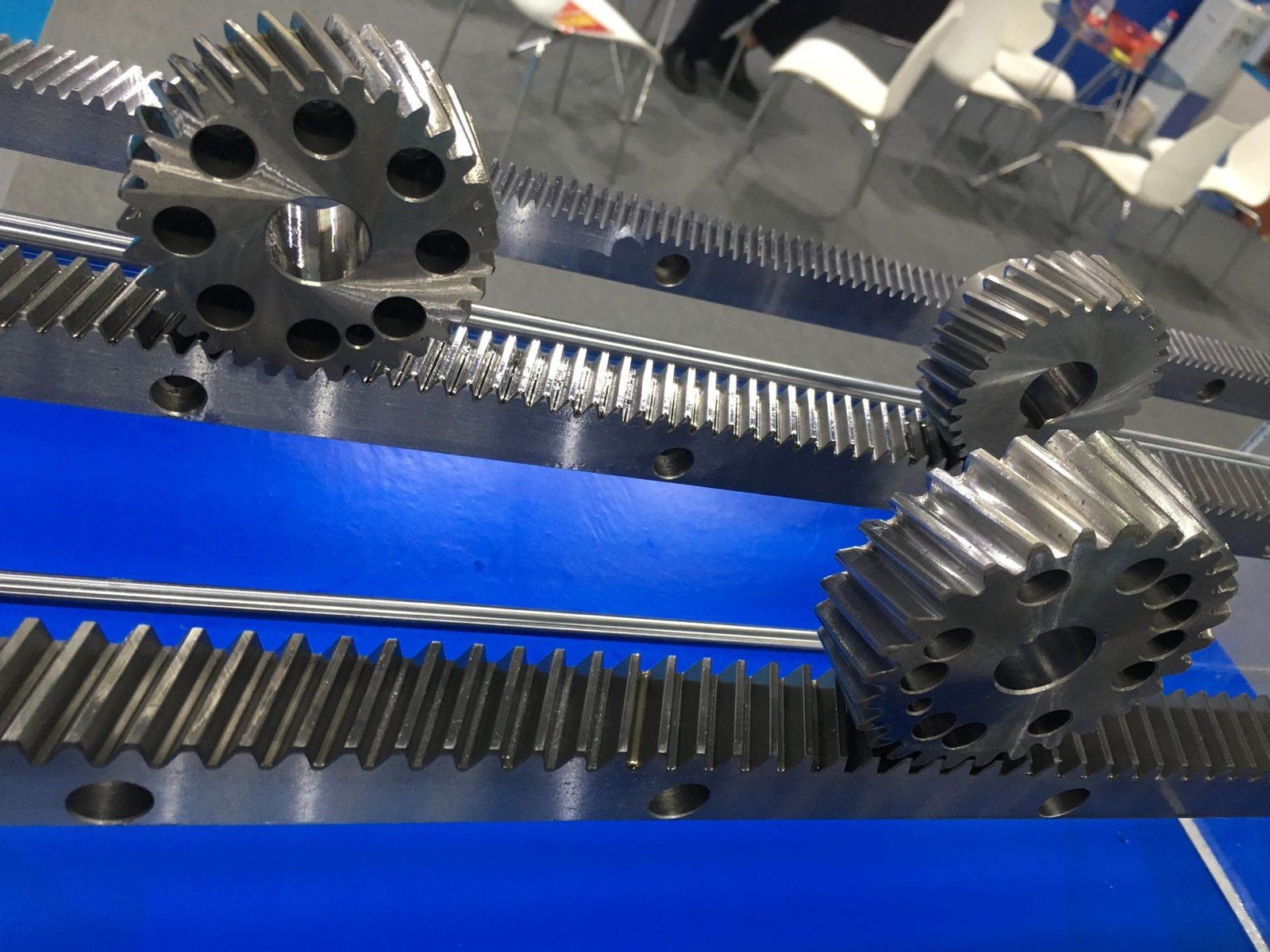
Fault Symptoms
- Periodic grinding noise and noticeable jitter during cutting
- Unstable dimensional tolerance; inconsistent sizes within the same batch of workpieces
- Excessive vibration at high speed, jagged or distorted cutting contours
- Axis stalling, step skipping or position loss during homing and rapid positioning
- Visible scratches, discoloration and burrs on tooth surfaces during inspection
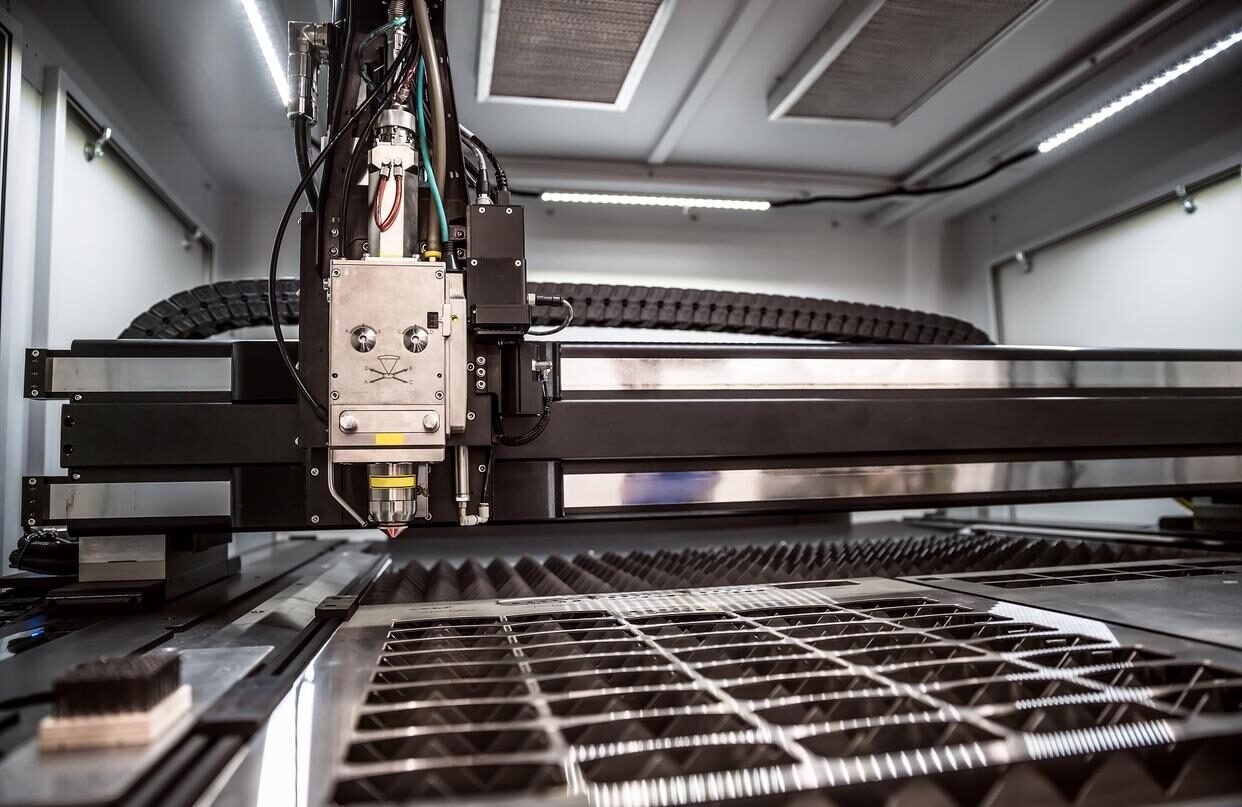
Possible Root Causes
- Inadequate lubrication, or grease contaminated with iron scraps, dust and slag
- Improper meshing clearance: excessive backlash or overly tight contact
- Loose rack fasteners and height misalignment at rack joints
- Tooth surface wear, chipping and collision deformation
- Out-of-tolerance parallelism between the linear guide rail and rack
- Metal debris trapped inside the meshing zone
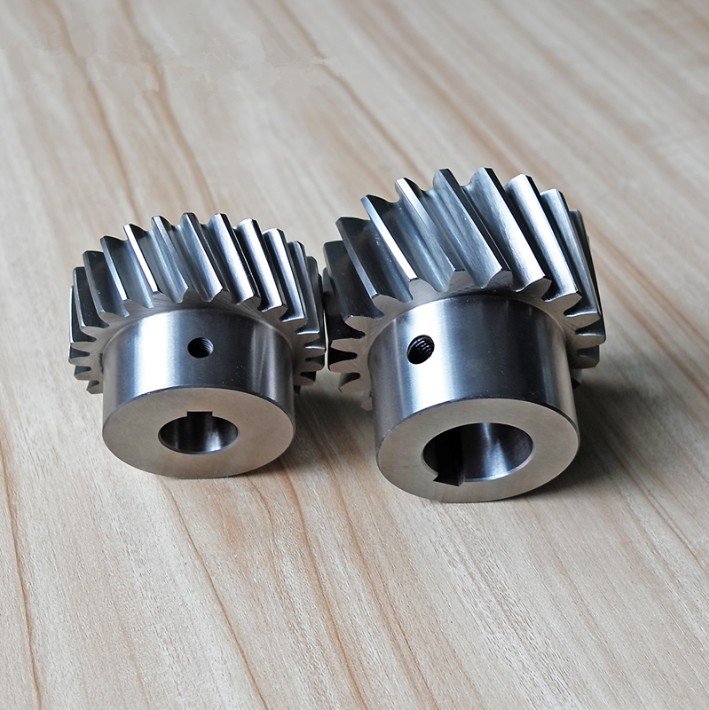
Step-by-Step Troubleshooting & Solutions
- Safety lockout and cleaning
Cut off the main power and follow lockout-tagout rules. Clear old grease, iron scraps and slag from the rack and pinion. Use compressed air carefully to avoid blowing contaminants into motors or electrical cabinets. - Adjust meshing clearance
Set backlash following the OEM manual. Fine-tune the pinion position to ensure smooth movement without shake or excessive resistance. - Inspect and fasten rack mounting
Check all rack bolts section by section. Realign uneven joints and tighten fasteners to the specified torque. - Repair or replace worn parts
Minor burrs and light scratches can be polished. Replace the rack or pinion promptly if teeth are chipped or severely worn. Never run damaged transmission components. - Recalibrate geometric accuracy
Readjust the parallelism between guide rail and rack. Complete low-speed dry-run tests before resuming formal cutting.
Daily Maintenance Recommendations
- Carry out visual checks and top up lubricant weekly.
- Shorten inspection cycles for heavy-plate cutting and continuous high-load production.
- Keep rack guards clean to block slag and debris.
- Prevent axis collision, the leading cause of sudden tooth breakage.

Safety Notes
- Disconnect main power before all cleaning and adjustment work to avoid accidental startup.
- Wear gloves and safety goggles when handling metal scraps.
- Halt operation immediately if chipped teeth are found, to protect servo motors and drives.
Conclusion
Regular maintenance keeps the rack and pinion system stable and minimizes downtime. Reach out to our technical support for serious or complicated faults.