
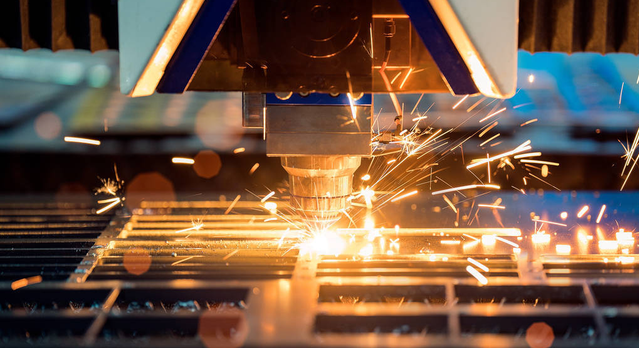
Flickering laser output is a common laser cutting issue, causing poor quality, material waste and reduced efficiency. This article details its core causes and practical solutions for quick stabilization.
Critical for cutting quality, laser output stability relies on coordinated laser, mechanical and electrical system operation, with flickering typically from three core causes.
I. Core Causes of Laser Output Flickering
Based on long-term on-site practice and equipment debugging experience, the main causes of laser output instability are laser tube aging, cooling system failure, and unstable power supply. Any of these issues can directly affect laser emission stability, as detailed below:
1. Laser Tube Aging: Power Attenuation Due to Core Component Wear
As the "heart" of the laser cutting machine, the laser tube’s service life is closely related to usage frequency and maintenance. After long-term high-intensity operation, natural wear occurs—such as internal gas aging and coating peeling—leading to decreased and unstable output power, which directly manifests as flickering. This wear is gradual: initial signs include reduced cutting efficiency, followed by obvious brightness fluctuations and even "light emission but insufficient power" (e.g., needing multiple passes to cut through materials that previously required only one pass).
2. Cooling System Failure: Temperature Imbalance Interfering with Laser Emission
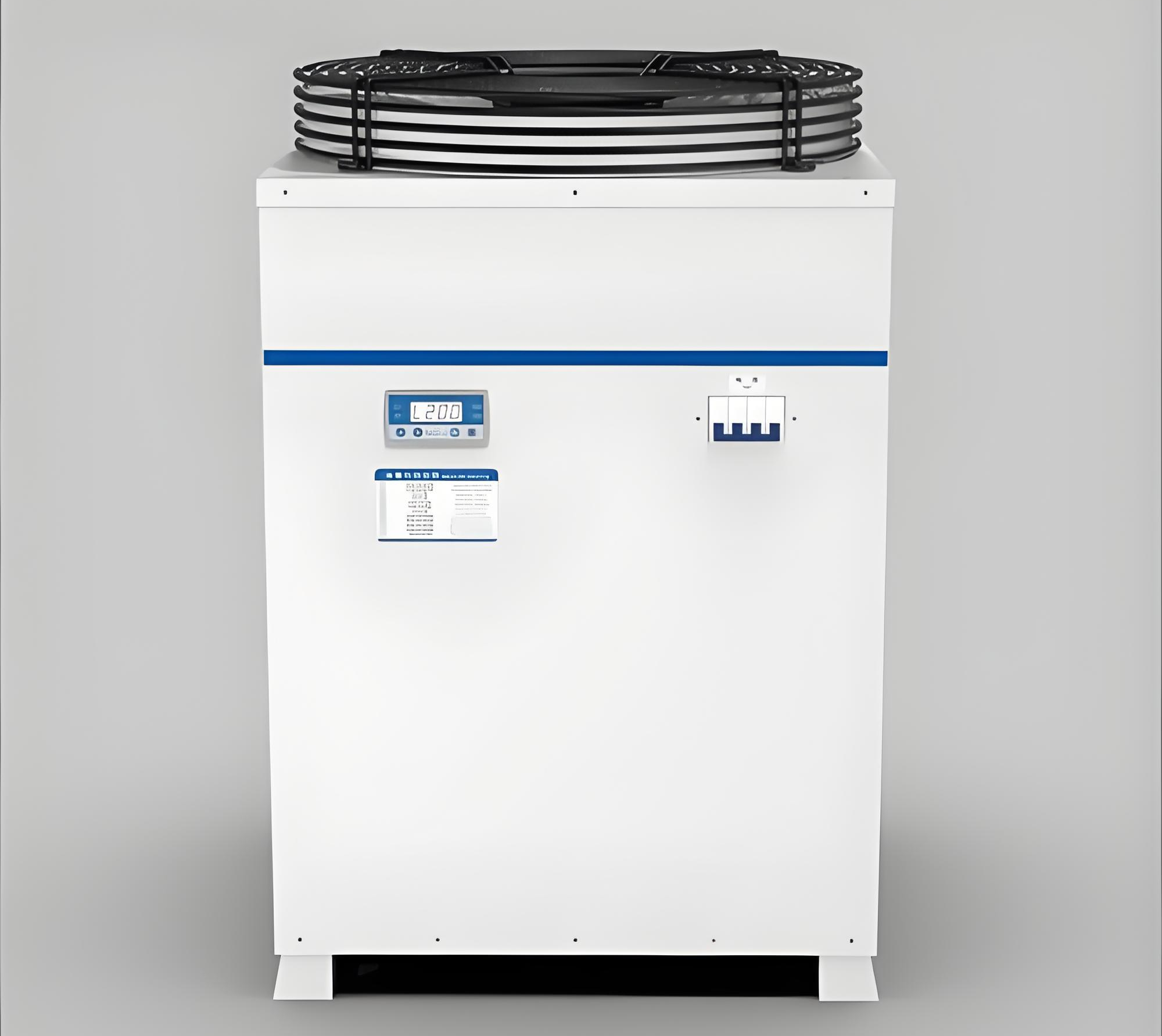
Laser tubes generate a lot of heat during operation; inadequate heat dissipation causes overheating, which affects laser stability, triggers flickering, and may even activate overheat protection to shut down the equipment. Common cooling system failures include insufficient coolant level, blocked circulation pipelines, and abnormal cooling pump operation. These issues hinder coolant circulation, making it unable to effectively dissipate heat, resulting in temperature fluctuations and unstable laser output—especially prominent in high-temperature environments or long-term continuous production.
3. Unstable Power Supply: Abnormal Power Supply Directly Affecting Output
Core components of laser cutting machines (e.g., lasers, servo systems) have strict requirements for power quality. Minor voltage fluctuations can cause significant changes in laser output—industry data shows that ±5% voltage fluctuation may lead to ±10% or more laser power deviation, resulting in flickering. Frequent start-stop of high-power equipment (e.g., welding machines, frequency converters) in the workshop and grid fluctuations can cause unstable input voltage, affecting laser power supply stability. In addition, ordinary voltage regulators with slow response and low precision cannot adapt to the dynamic load characteristics of laser cutting, failing to solve voltage fluctuation problems.
II. Targeted Solutions: Quick Troubleshooting & Effective Resolution
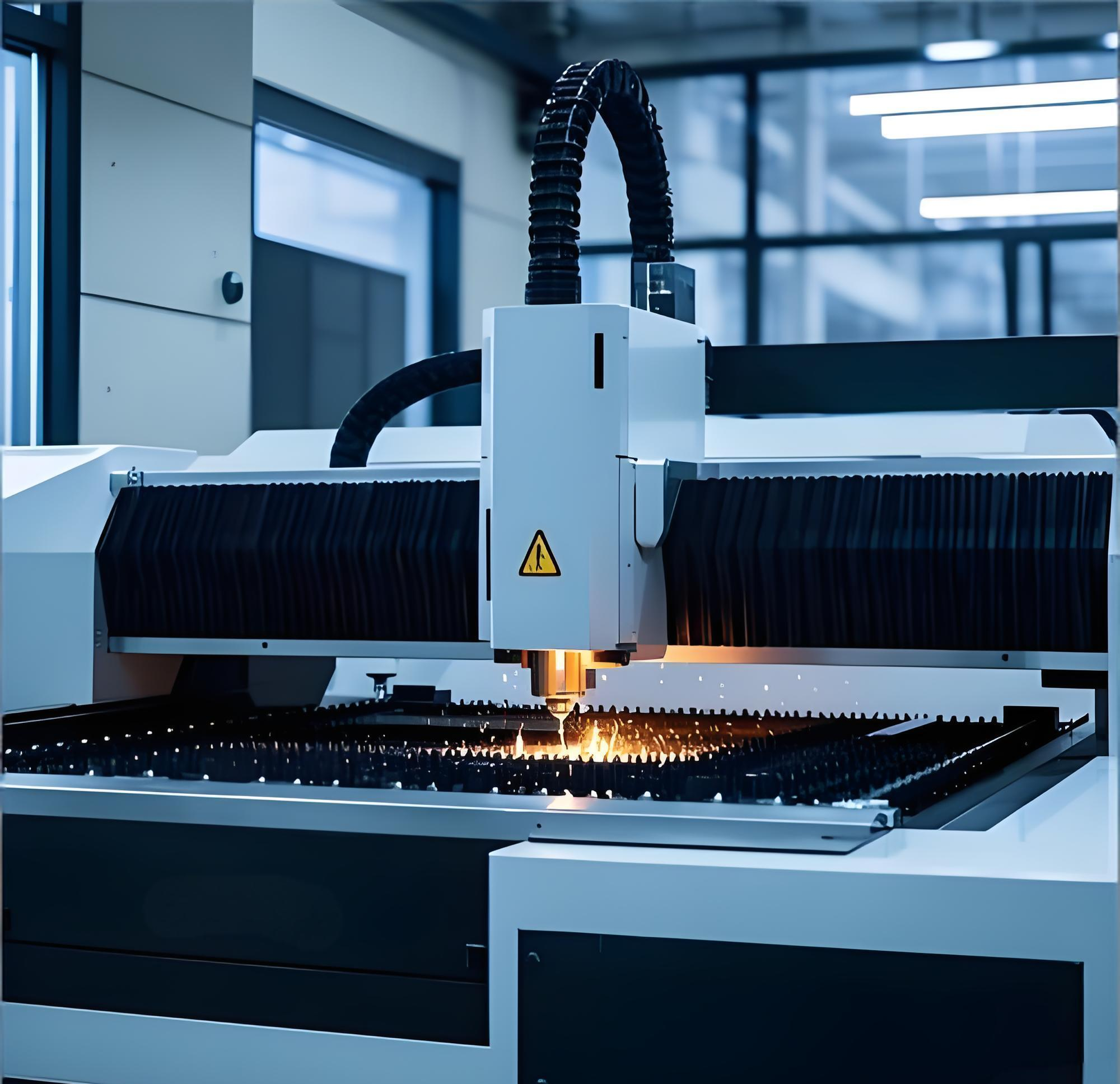
To address the above three core causes, we have summarized practical, easy-to-implement solutions. Follow the principle of "from simple to complex, step-by-step troubleshooting" to quickly restore stable equipment operation and extend service life.
1. Laser Tube Inspection & Maintenance: Timely Replacement and Prevention
Regular inspection of the laser tube is fundamental to avoiding output instability. Establish an equipment maintenance log, and regularly test laser output power and observe laser spot status based on usage time (high-quality laser tubes typically have a service life of 8,000~10,000 hours). If the spot diverges, cutting efficiency drops significantly, or flickering occurs, the laser tube is severely aged and needs timely replacement. Meanwhile, avoid long-term overloading of the laser tube to reduce unnecessary wear.
2. Comprehensive Cooling System Maintenance: Ensure Heat Dissipation and Stable Temperature
A properly functioning cooling system is essential for stable laser tube operation. Inspect the cooling system before daily startup and weekly: first, check the coolant level to ensure it is within the standard range, and add special coolant if insufficient (tap water is not recommended to avoid pipeline scaling and blockage); second, check coolant circulation, inspect for pipeline blockages or leaks, and ensure smooth flow; third, check the cooling pump for abnormal noise or shutdown, and repair or replace it promptly to maintain constant laser tube temperature.
3. Power Supply Detection & Optimization: Stable Power Supply to Eliminate Fluctuations
For unstable power supply, take two measures: first, regularly test the input voltage of the laser equipment with a multimeter to ensure it meets the rated requirements, avoiding overvoltage, undervoltage, or frequent fluctuations; second, if there are large grid fluctuations in the workshop (e.g., frequent start-stop of nearby high-power equipment), equip a dedicated voltage regulator for the laser equipment. Such regulators have fast response (≤50ms) and high precision (output fluctuation ≤±0.5%), which can instantly offset voltage fluctuations and protect core components. Select a regulator with sufficient margin based on the laser cutting machine’s power to ensure compatibility.

III. Reminder: Daily Maintenance is Key to Reducing Failures
Stable operation of laser cutting equipment depends on standardized daily maintenance. In addition to the above three core links, establish a complete daily maintenance system: regularly clean optical components and check optical path alignment to avoid dust and spatter affecting laser transmission; set cutting parameters reasonably to avoid overloading; keep the workshop clean to reduce the impact of dust and humidity.
If flickering persists after troubleshooting, contact professional technicians to avoid further losses.