

A common myth: fiber laser cutters only work on metals. While they excel at metal processing, modern fiber lasers (1064 nm wavelength) also handle select non-metals with precision.

I. Metal Materials (Fiber Laser’s Core Strength)
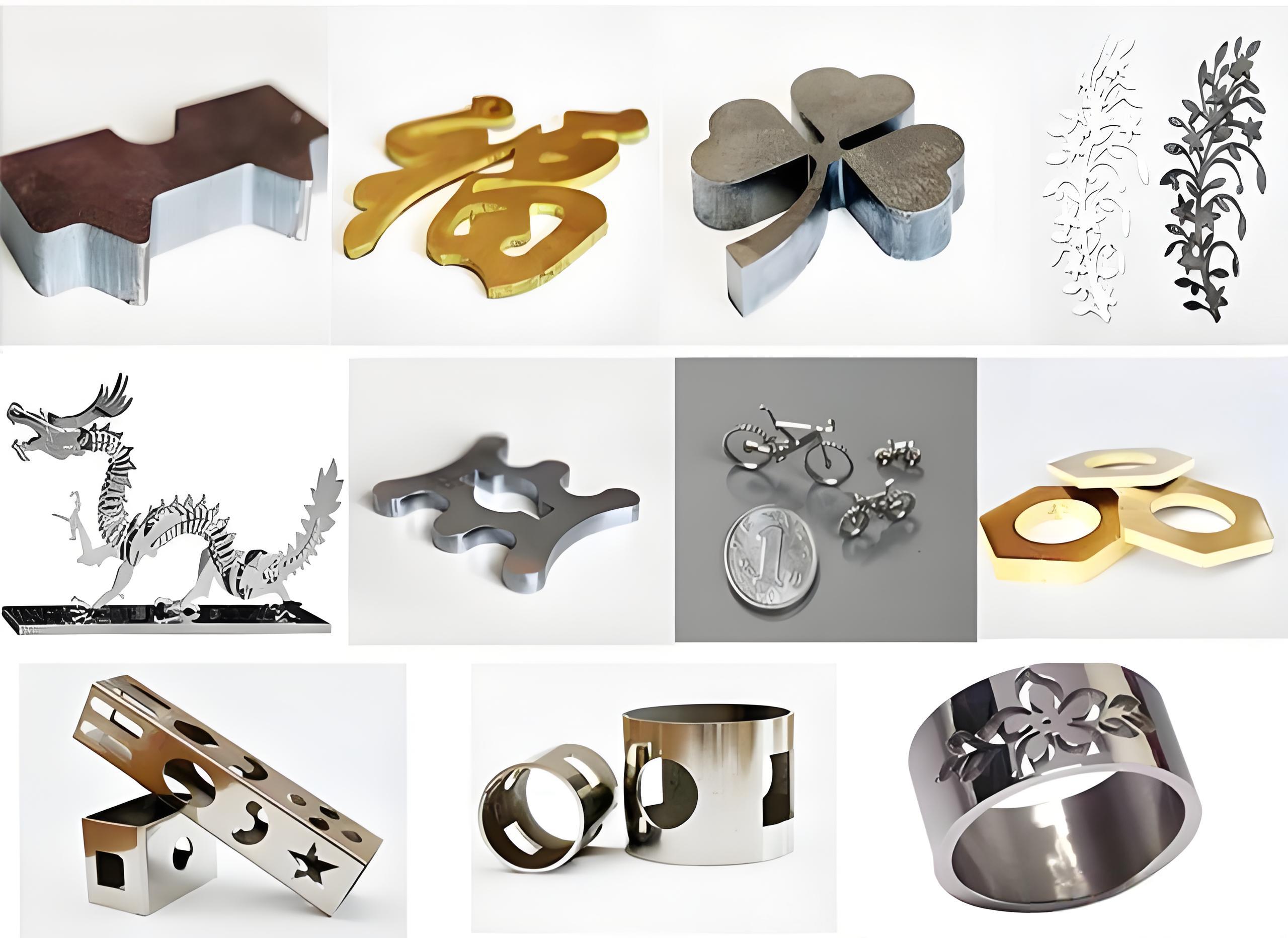
Fiber lasers deliver high energy density, making them ideal for metals. Below are common options with optimal settings and results:
1. Carbon Steel (Mild Steel)
• Applications: Machine frames, automotive parts, general fabrication
• Power & Thickness: 1 kW (0.5–6mm), 3 kW (6–25mm), 6–20 kW (25–50mm)
• Effect: Smooth, burr-free edges; oxygen assist improves thick-plate quality.
2. Stainless Steel (304/316)
• Applications: Kitchen equipment, medical devices, architectural panels
• Power & Thickness: 1 kW (0.3–4mm), 3 kW (4–16mm), 6–12 kW (16–30mm)
• Effect: Oxide-free edges with nitrogen assist; 6 kW cuts 25mm at 1.2 m/min.
3. Aluminum Alloys (5052/6061)
• Challenge: High reflectivity and thermal conductivity
• Power & Thickness: 2 kW (0.5–5mm), 3–6 kW (5–15mm), 10 kW+ (15–25mm)
• Effect: Clean edges with nitrogen (thin sheets) or air (thick plates).
4. Copper & Brass
• Requirement: Anti-reflection (AR) optics + pulse modulation (1000–5000 Hz)
• Power & Thickness: 6 kW+ (0.5–8mm copper, 0.5–12mm brass)
• Effect: Burr-free, polished edges for electrical components.
5. Titanium & Nickel Alloys
• Applications: Aerospace, medical implants
• Power & Thickness: 3–6 kW (0.5–10mm titanium, 0.5–8mm nickel alloys)
• Effect: Precise, crack-free cuts with no post-cleaning needed.
II. Non-Metallic Materials (Limited but Precise)
Fiber lasers are less efficient than CO2 lasers for non-metals but handle thin, high-precision cuts:
- Acrylic (PMMA): 500–1000 W, 1–5mm; clear, polished edges (no post-finishing).
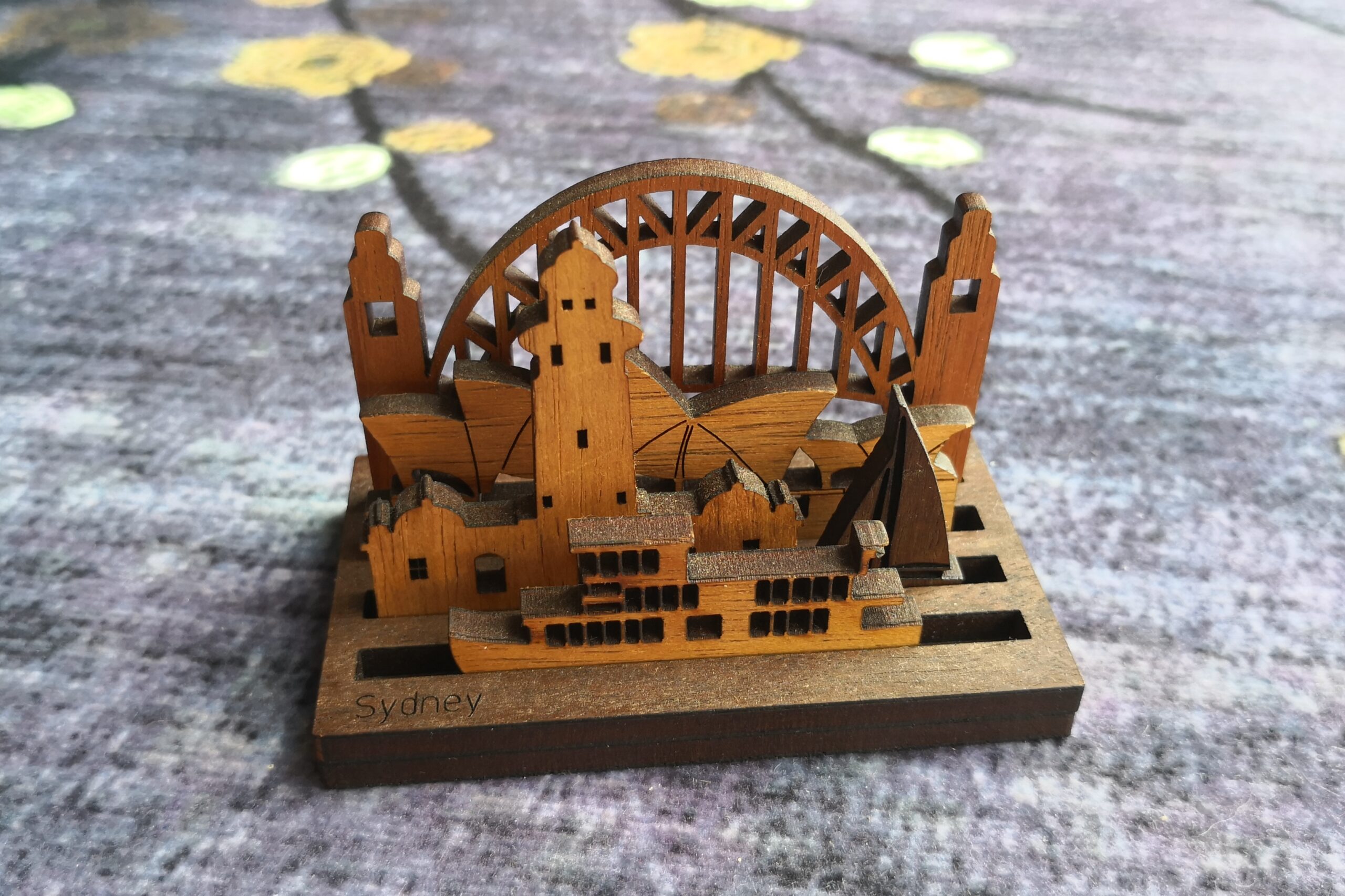
- Wood/MDF: 500–1500 W, 1–6mm; low power + high speed to avoid charring.
- Plastics (POM/ABS/Silicone): 300–1000 W, 0.5–4mm; smooth edges for gears/gaskets.
III. 3 Materials to Never Cut (Critical Safety)
- PVC & Chlorinated Plastics: Release toxic chlorine gas, corroding optics and harming health. Alternative: CNC routing.
- Glass & Transparent Materials: Laser passes through, causing cracking and back-reflection damage. Alternative: CO2 lasers/waterjet.
- Uncoated Highly Reflective Metals (Gold/Silver/Polished Aluminum): Reflect energy, damaging the laser source. Exception: AR optics for copper/brass (6 kW+).
IV. Quick Reference Parameter Table

Conclusion
Fiber lasers are versatile for metals and select thin non-metals. Avoid the 3 forbidden materials, use the parameter table as a guide, and contact our team for free material testing to optimize your process.
