
Introduction
Choosing the right laser cutting technology is critical—wrong selections waste capital and reduce efficiency. Most workshops choose between Fiber and CO₂ Lasers; this guide simplifies their differences for quick, informed decisions.
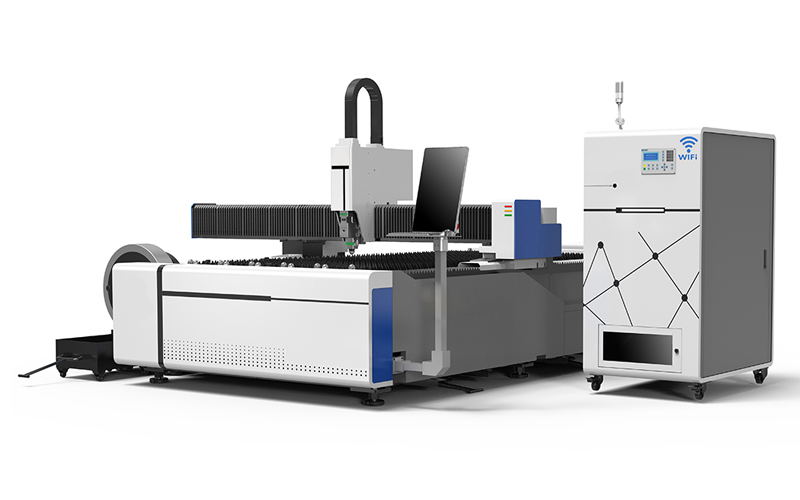
Core Comparison: 5 Key Dimensions
1. Cutting Speed & Efficiency
Fiber Laser: 2-3x faster on 1-12mm metals (0.1-0.2mm kerf, 1.06μm wavelength for metal absorption). CO₂ Laser: Faster on non-metals (acrylic, wood), slower on metals (especially reflective), 10.6μm wavelength for organics.
2. Energy Consumption
Fiber Laser: 30-45% efficiency, uses 20-30% of a CO₂ laser’s electricity. CO₂ Laser: 8-15% efficiency, high power draw and utility costs.
3. Maintenance & Lifespan
Fiber Laser: Enclosed solid-state (no mirrors/gas), minimal downtime (2-3hrs/quarter), 100,000+ hour lifespan. CO₂ Laser: Frequent maintenance (mirrors, gas, tubes), 5,000-10,000 hour tube life, 6-8hrs monthly upkeep.
4. Material Compatibility
Fiber Laser: Excellent for all metals; poor for non-metals (melting/burning). CO₂ Laser: Ideal for non-metals; inefficient for reflective metals/thick steel.
5. Initial Investment & TCO
Fiber Laser: Higher upfront cost ($60k-$500k+), lower long-term TCO, 18-36 month ROI (high-volume). CO₂ Laser: Lower upfront cost ($8k-$120k), higher long-term costs (low-volume non-metals).
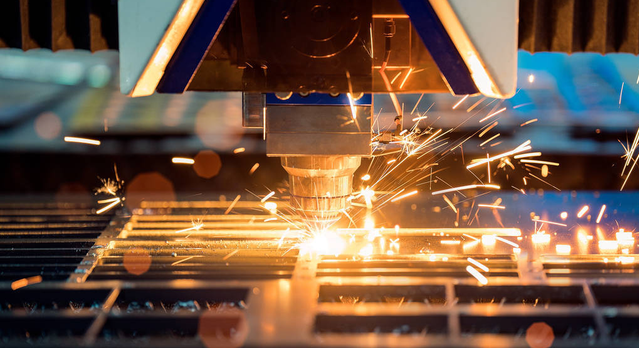
Application Scenarios & Case Studies
Ideal for Fiber Laser: High-Volume Metal Fabrication
Best for sheet metal, automotive/aerospace parts, structural steel. Case Study: A factory replaced 2x 4kW CO₂ lasers with a 6kW fiber laser—tripled output, cut energy costs by 65-70%, 24-30 month payback.
Ideal for CO₂ Laser: Specialized Non-Metal Processing
Best for sign making, woodworking, leather/engraving. Case Study: A small shop uses a 150-200W CO₂ laser for acrylic/wood; fiber lasers are ineffective here.
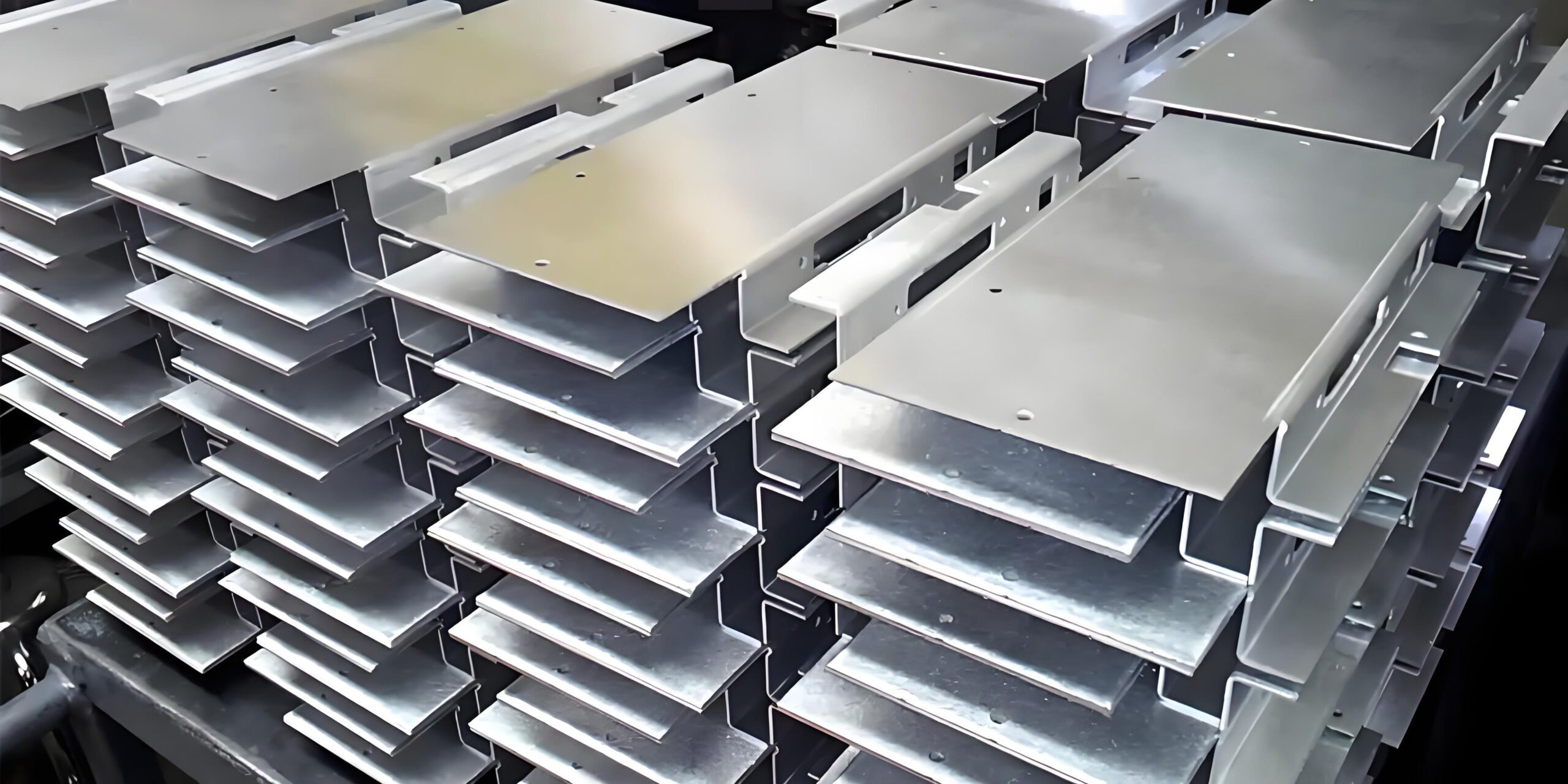
Common Selection Mistakes to Avoid
1. "Higher Power is Always Better": Match power to material thickness—over-powering wastes capital and damages thin metals.
2. "Fiber Lasers Can Cut Everything": Fiber lasers fail at acrylic, wood, fabrics—costly mistake.
3. "Choosing Based Solely on Upfront Price": For metals, fiber’s higher cost is offset by energy/maintenance savings and productivity.
Key Factor Comparison
- Primary Material: Fiber (metals); CO₂ (non-metals).
- Cutting Speed: Fiber (2-3x faster on metals); CO₂ (faster on non-metals).
- Efficiency: Fiber (30-45%); CO₂ (8-15%).
- Maintenance: Fiber (minimal); CO₂ (high).
- Cost: Fiber (higher upfront, lower long-term); CO₂ (lower upfront, higher long-term).
- Best For: Fiber (high-volume metal); CO₂ (non-metal specialty).
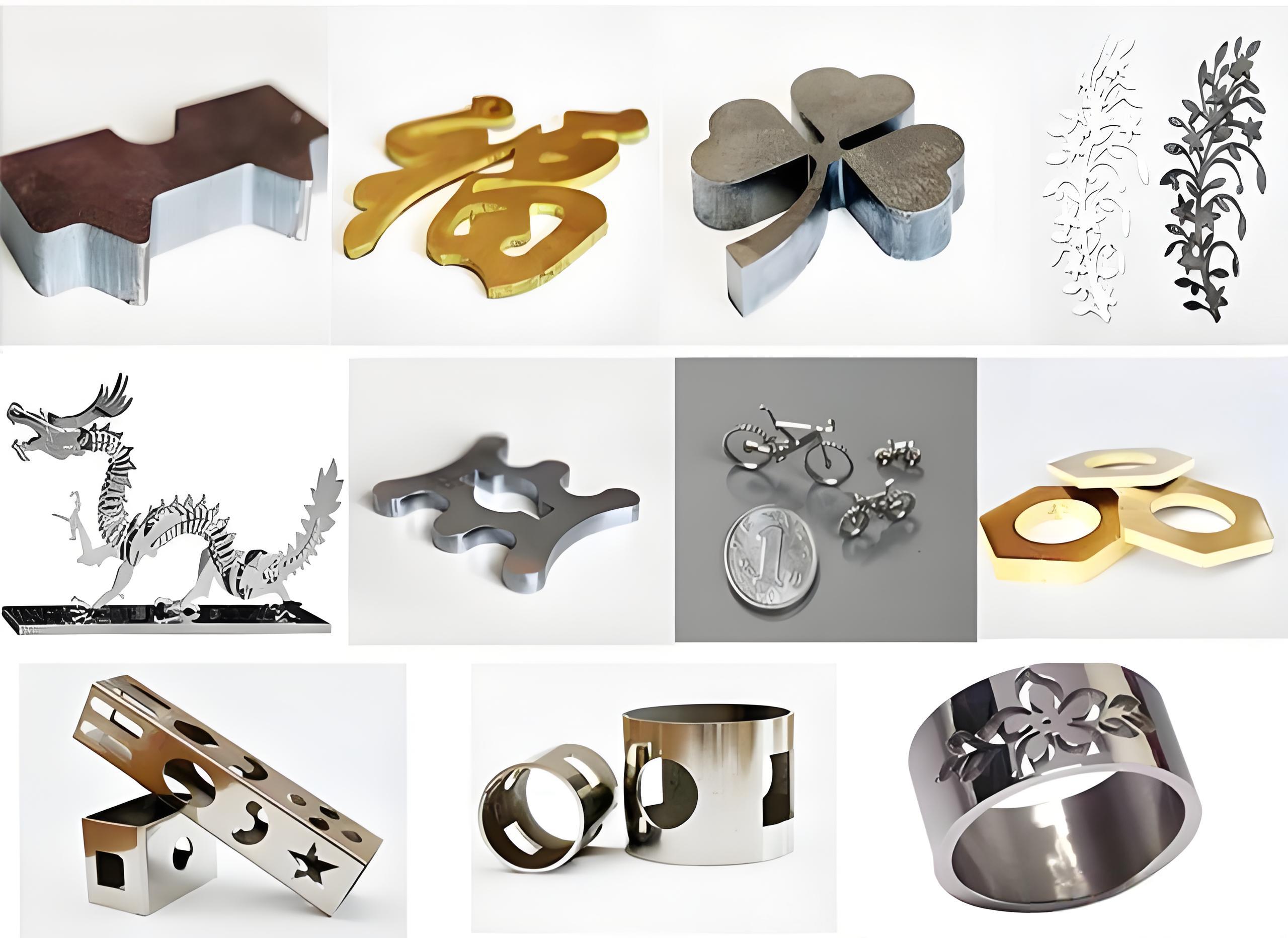
For 2026, Fiber Laser is future-proof for metal-focused businesses. CO₂ Laser is irreplaceable for non-metal workshops. Align your laser with core materials to maximize productivity.