

The cutting range of a laser cutter typically spans from 0.1 mm ultra-thin sheets up to 30 mm thick plates. The maximum cutting thickness is mainly governed by laser power and material properties.
This article breaks down the actual cutting limits of mainstream laser machines and provides practical selection guidelines for industrial applications.
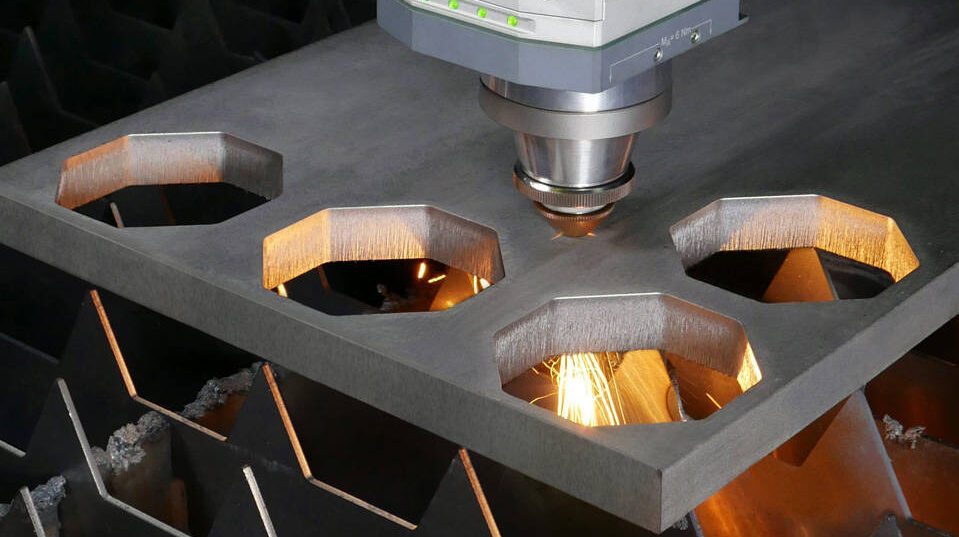
1. Laser Power: Primary Determinant of Cutting Capacity
Laser power directly defines a machine’s cutting thickness limit. Different power tiers deliver distinct processing performance:
- Under 500W: Ideal for 1–3 mm thin sheets, widely used for precision electronic components.
- 1000W–3000W: Handles 6–12 mm carbon steel, offering balanced efficiency and cost performance.
- 4000W & above: Supports 20 mm+ thick plate cutting for heavy-duty manufacturing, with higher energy and maintenance costs.
Key Principle: Each 1000W power increase improves cutting thickness by 3–5 mm, though the growth follows a non-linear curve.
Material laser absorptivity further restricts cutting capability:
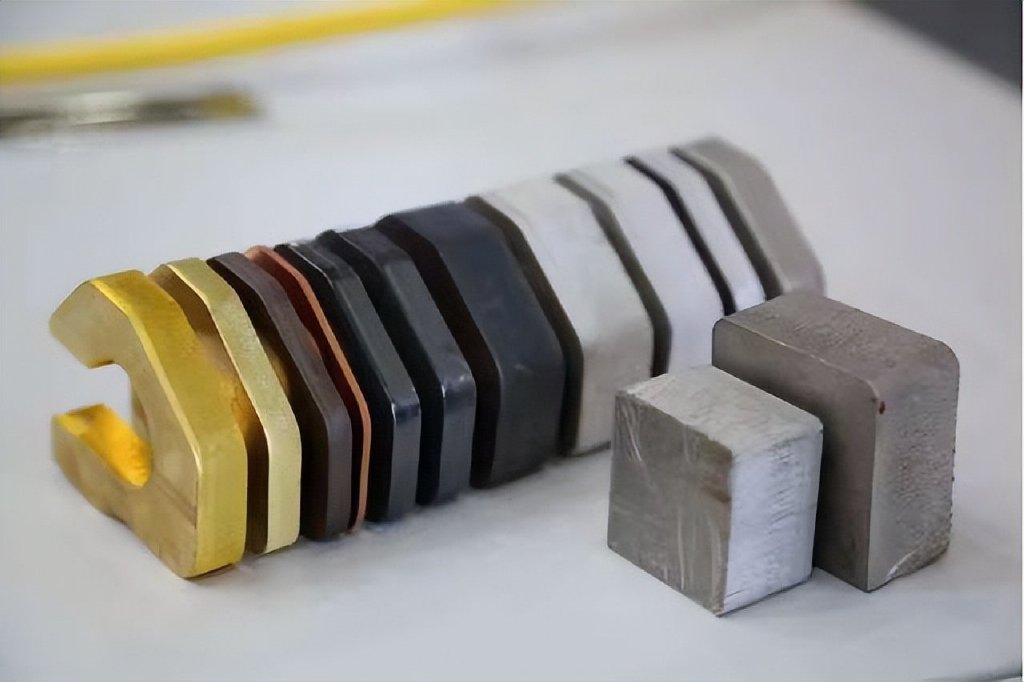
- At the same power, carbon steel cutting thickness is approximately 1.2 times that of stainless steel.
- Non-metal materials require much lower power: 10 mm acrylic needs only 60W, while 10 mm wood requires 150W.
- Highly reflective materials such as copper and aluminum reduce effective cutting thickness by around 30%.
Overall, higher material density and reflectivity demand exponentially higher laser power.
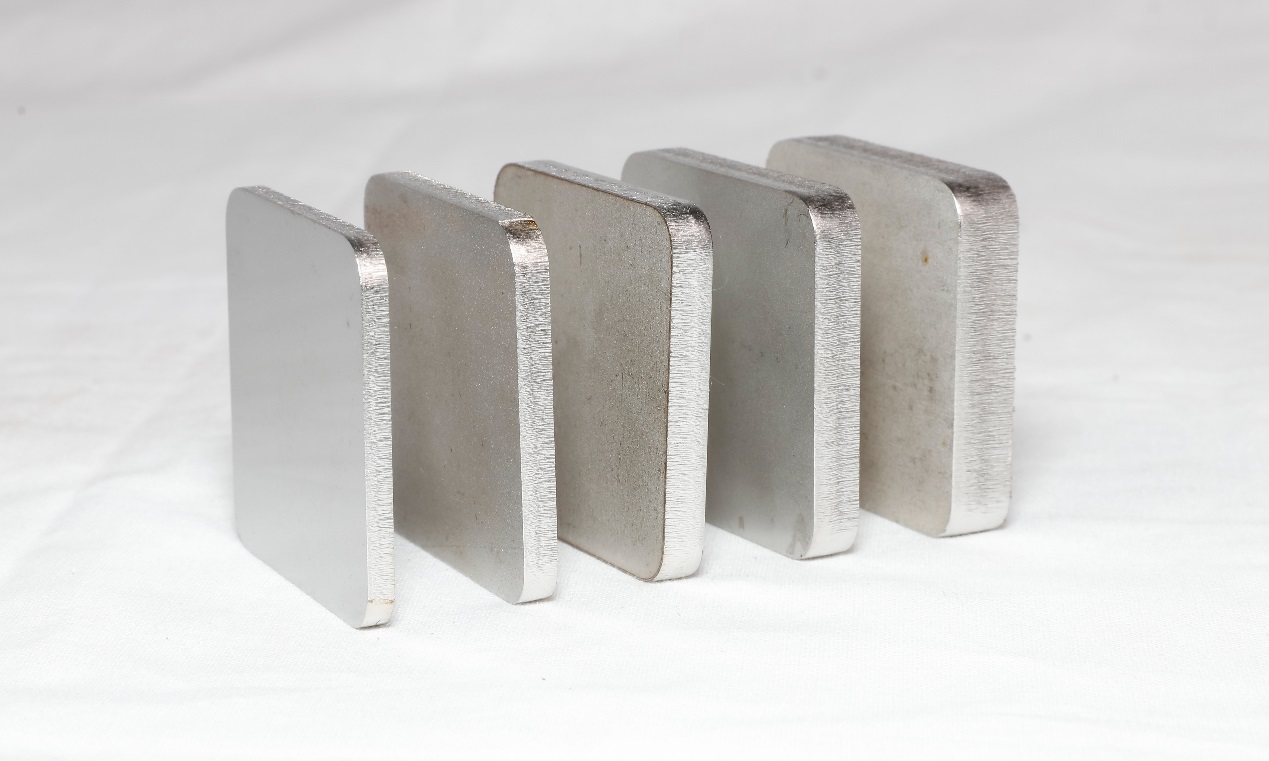
2. Fiber, CO2 & YAG Laser Cutting Performance Comparison
Fiber Laser (Industrial Metal Cutting Standard)
Featuring a 1070 nm wavelength, fiber lasers dominate metal fabrication:
- 1kW fiber laser stably cuts 8 mm carbon steel with superior edge quality.
- Auto-focus cutting heads enable continuous processing of 12 mm stainless steel.
- 50% lower energy consumption than traditional lasers, suitable for long-cycle mass production.
Industry Tip: Choose 1500W+ fiber lasers for metal plates thicker than 10 mm.
CO2 Laser (Professional Non-Metal Solution)
The 10.6 μm wavelength makes CO2 lasers irreplaceable for organic materials:
- 30W CO2 laser cleanly cuts 5 mm acrylic.
- Optimized optics support wood cutting up to 20 mm.
- Lower efficiency for metal cutting (only 1/3 of fiber lasers) with higher maintenance costs.
YAG Laser (Special Precision Processing)
YAG lasers excel with high-reflection materials thanks to their 1064 nm wavelength:
- Capable of cutting copper foil and reflective metals within 3 mm.
- Ideal for precision pulse drilling, but limited in thick-plate continuous cutting.
- Gradually phased out by high-power fiber lasers in modern industrial production.
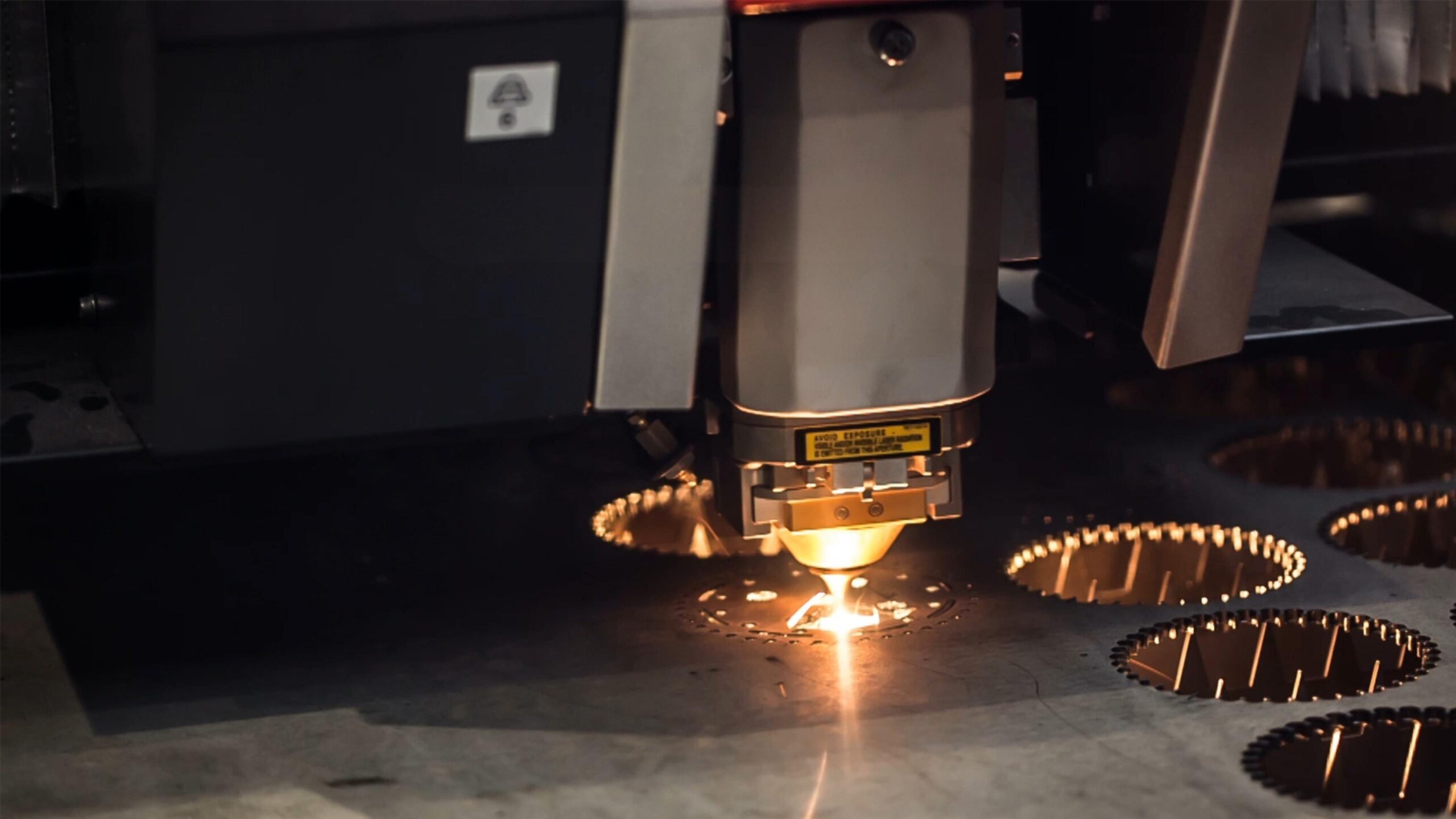
3. Auxiliary Configurations That Boost Cutting Limits
Cutting Head & Optical Components
High-performance cutting heads are critical for stable thick-plate processing:
- Auto-focus heads adapt dynamically to varying material thickness.
- High-temperature resistant lenses withstand high-power laser density.
- Professional upgrade kits effectively improve the cutting performance of older machines.
Important Reminder: Mismatched cutting head and laser power will cause rapid lens ablation and failure.
Auxiliary Gas Selection
Gas type directly affects cutting quality, speed and thickness capacity:
- Oxygen: Optimized for thick carbon steel cutting with fast speed, leaving slight oxidation layers.
- Nitrogen: Delivers burr-free, high-precision stainless steel cuts with higher gas consumption.
- Compressed Air: Low-cost solution for conventional parts under 8 mm.
4. Targeted Laser Cutter Selection by Application
- Portable Laser Cutters: Suitable for on-site maintenance and plate materials under 6 mm.
- Standard Automated Laser Cutters: Perfect for batch production of 12 mm and thinner plates.
- Gantry High-Power Laser Cutters: The best choice for industrial thick plates over 20 mm.
System compatibility is also essential for long-term stable operation:
- Laser control systems with complete material thickness parameter databases
- Safety protection devices matched with actual laser power
- Stable supply channels for long-term consumable cost control
Conclusion
Laser cutting thickness is a comprehensive indicator determined by laser power, material type, optical configuration and auxiliary systems. Instead of focusing solely on maximum thickness, manufacturers should select laser equipment based on actual material types, processing requirements and budget.
For high-precision or heavy thick-plate projects, professional technical verification is recommended to achieve optimal cutting performance and production efficiency.
