
Long-term operation often causes laser cutters to lose speed and precision, producing burrs and suffering frequent faults, which undermines production efficiency and product quality. Instead of investing in new equipment, manufacturers can effectively restore machine performance and achieve better quality and productivity via targeted upgrades and optimization.
This article shares 10 actionable tips to maximize your laser cutter’s efficiency and service life.
1. Laser Source Upgrade: Boost Core Power & Productivity
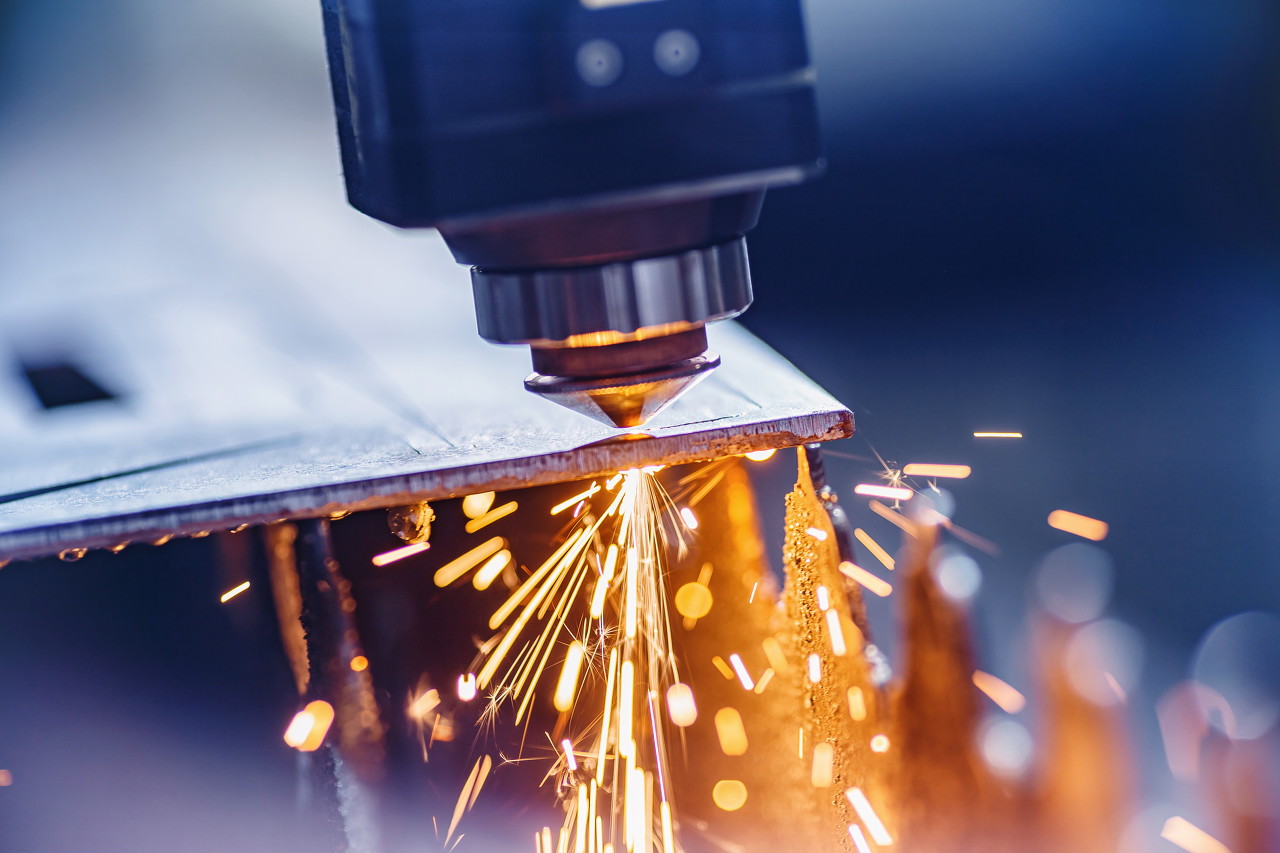
The laser source defines cutting power and capacity. Aging low-power lasers deliver slow, rough cuts with heavy burrs, especially on thick plates. Upgrading to a higher-power laser greatly improves thick-material cutting speed, produces smoother edges and reduces post-processing work, effectively boosting overall production capacity.
2. Optical Path Optimization: Minimize Loss & Refocus Precision
Laser power upgrades require matched optical system optimization to avoid energy loss. Replacing premium optical fibers and focusing lenses ensures stable laser transmission and precise focusing. This eliminates focal deviation and uneven cuts, improving long-term processing accuracy and machine stability.
3. Cooling System Renovation: Ensure Stable High-Load Operation
High-power lasers generate substantial heat during continuous operation. Outdated cooling systems cause overheating, accelerated component wear and unplanned downtime. Upgrading the water cooling system stabilizes operating temperature, minimizes thermal damage, supports long-hour high-load production and extends equipment lifespan.
4. CNC Software Update: Achieve Intelligent & Cost-Effective Cutting
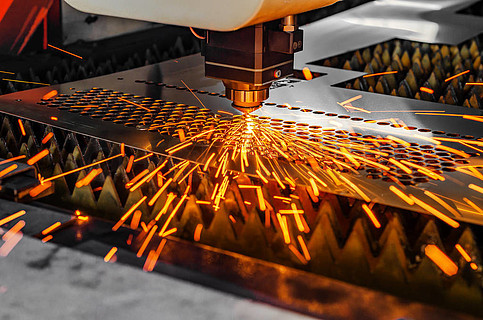
CNC software optimization is a low-cost, high-return improvement. Updated systems enable intelligent path planning, automatic nesting and adaptive parameter tuning. These features reduce idle strokes, shorten cycle times and cut material waste, streamlining production and raising overall efficiency without hardware replacement.
5. Mechanical Structure Upgrade: Improve Operational Stability
Worn belts, bearings and gears cause vibration, precision drift and cutting defects. Replacing worn parts and upgrading to high-precision mechanical components improves operational smoothness. Stable mechanical movement eliminates machining errors and maintains reliable high-precision cutting over long production runs.
6. Process Parameter Calibration: Customize Cutting for All Materials
Different materials and thicknesses require tailored cutting parameters. Generic settings often lead to thin-sheet edge burning and irregular thick-plate notches. By calibrating optimal power, speed and focal parameters and building standardized parameter libraries, factories can reduce heat-affected zones and achieve consistent, high-quality cutting results.

7. Working Environment Standardization: Reduce Environment-Induced Failures
Workshop conditions directly affect laser machine performance. Excess dust, humidity and temperature fluctuations accelerate component aging and trigger failures. Keeping the working environment clean, dry and temperature-controlled effectively reduces downtime and sustains stable cutting performance.
8. Operator Professional Training: Maximize Equipment Value
Improper operation is a common source of poor quality and equipment damage. Professional operator training standardizes workflow, parameter adjustment and daily maintenance. Skilled operation fully leverages machine capabilities, minimizes human errors and ensures stable production quality.
9. Advanced Cutting Technology Application: Break Traditional Process Limits
Adopting advanced cutting technologies further elevates production performance. Jump cutting reduces idle travel time for faster output, while multi-pass cutting delivers cleaner edges for thick plates and complex profiles. These modern techniques overcome traditional process limitations and improve precision for sophisticated workpieces.
10. Regular Maintenance System: Sustain Long-Term Optimal Performance
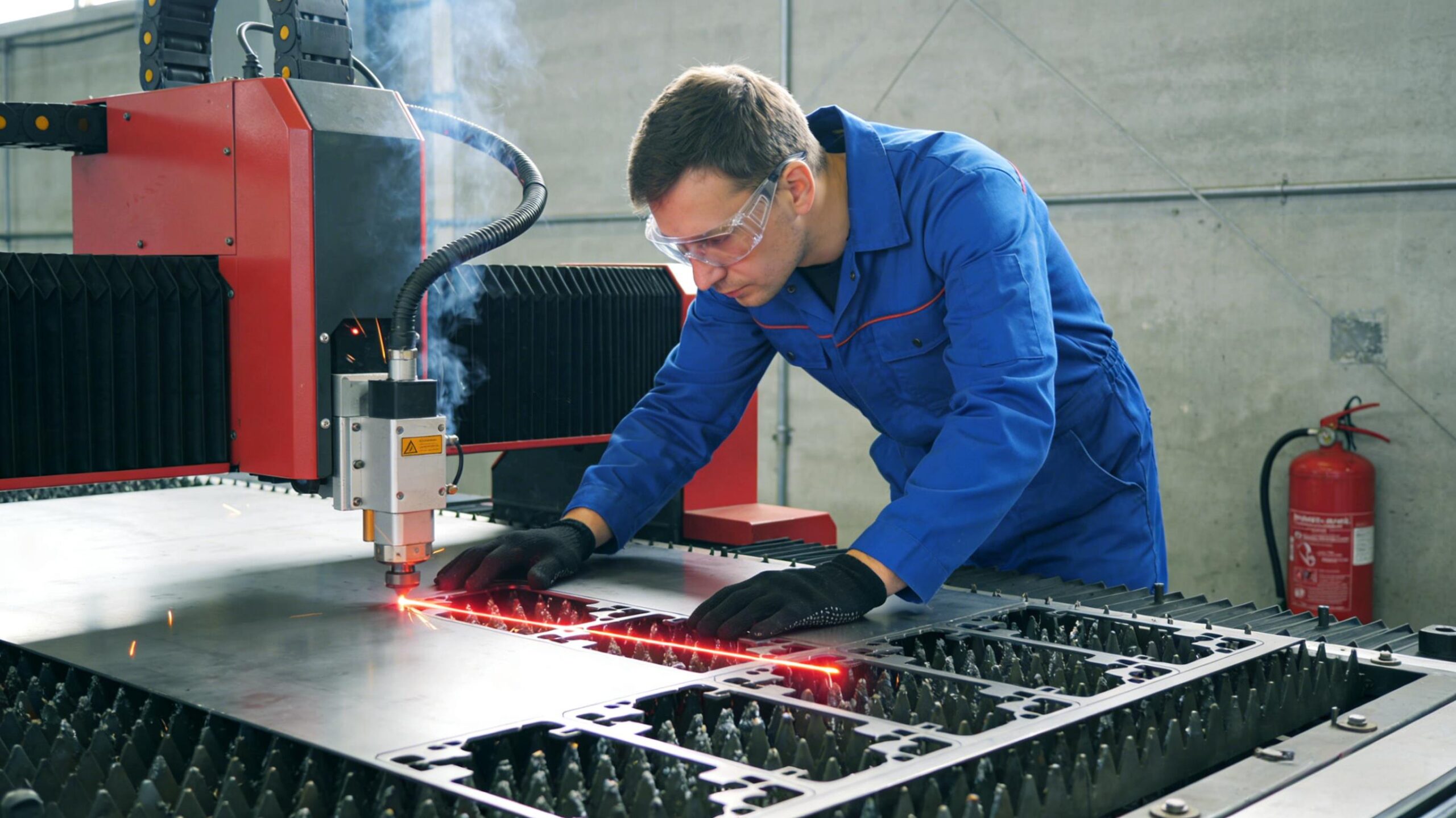
Regular maintenance is critical to long-term machine performance. A strict schedule of monthly inspections and annual deep servicing identifies hidden hazards, replaces worn parts and calibrates accuracy. Proactive maintenance delays aging, avoids sudden failures and keeps equipment in optimal condition year-round.
Conclusion
Laser cutter performance optimization is a systematic solution covering hardware, optics, mechanics, software and daily maintenance. These cost-effective upgrades revitalize aging equipment, improve cutting quality and efficiency, and reduce operational costs. They help manufacturers enhance production competitiveness with stable, high-quality cutting output.