
As high-end manufacturing evolves toward complex, customized components, manufacturers must choose between cost-efficient 2D laser cutting and advanced 5-axis 3D laser cutting. Uncertainty over costs and ROI often delays upgrading decisions. This article compares the two technologies, outlines the core advantages of 3D laser cutting, and offers clear investment guidance for manufacturers.
Core Differences: 2D Flat Cutting vs 5-Axis 3D Laser Cutting
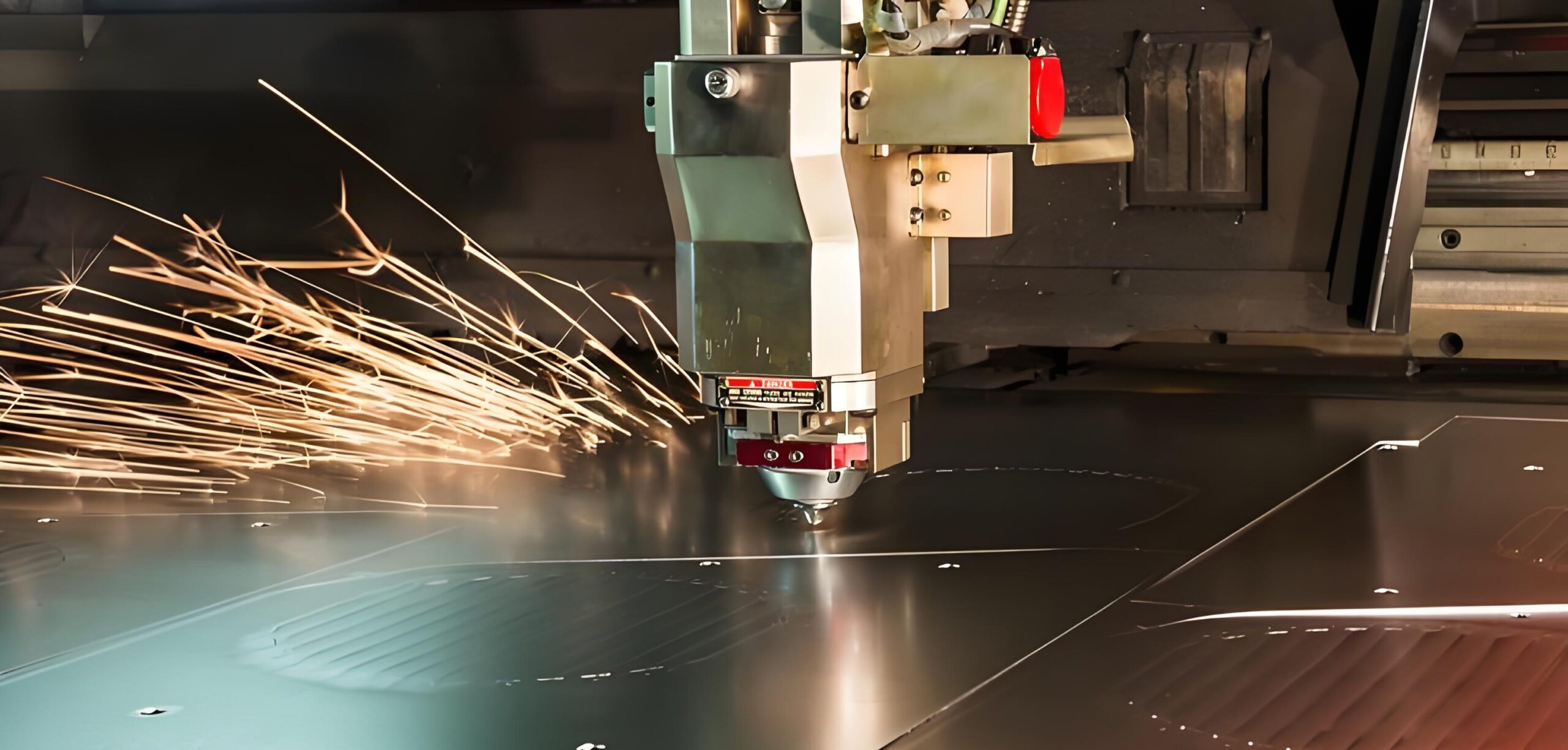
Traditional 2D laser cutting is a planar processing solution built exclusively for flat sheet materials. Operating on a single horizontal plane, it excels at high-speed, cost-effective production of standard flat components, including sheet blanking, simple punching and linear contour cutting. Limited to 2D motion, it cannot process curved surfaces, beveled edges, tubular structures or 3D irregular parts, making it ideal only for standardized flat-piece mass production.
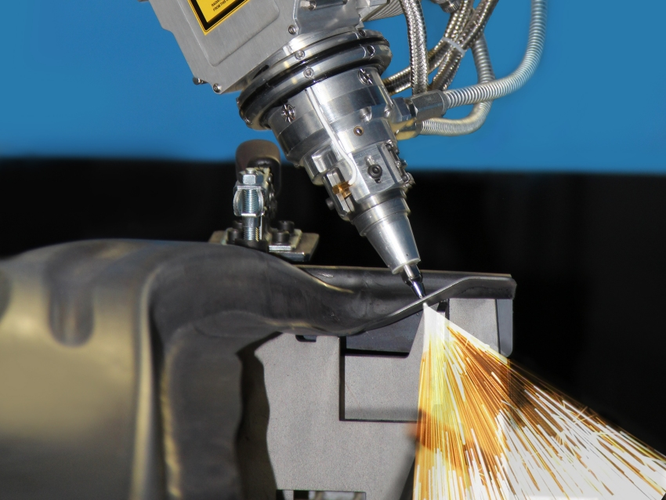
5-axis 3D laser cutting eliminates planar processing limitations via X/Y/Z linear axes and dual rotating axis linkage, allowing the laser head flexible 3D angular and positional adjustment. It supports one-time integrated processing of curved surfaces, bent components, tubular parts and complex spatial profiles. This multi-dimensional flexibility removes the need for repeated clamping, secondary bending and manual trimming required by 2D cutting, delivering higher precision, integrity and efficiency for intricate 3D structural parts that 2D equipment cannot fabricate.
Industry Application Advantages of 5-Axis 3D Laser Cutting
3D laser cutting’s unique spatial processing capabilities address critical pain points in high-end manufacturing, delivering unmatched value across precision-critical industries.
Automotive Parts Manufacturing: Lightweight automotive design relies heavily on 3D curved components like body structures, chassis brackets, pipe fittings and interior parts. 5-axis 3D laser cutting delivers precise contour and bevel cutting for customized automotive parts, minimizing workpiece deformation and boosting assembly accuracy — a capability impossible to achieve with standard 2D flat cutting.
Aerospace Components Processing: Aerospace parts demand extreme precision, structural integrity and complex spatial geometry. 3D laser cutting processes thin-walled curved components, special-shaped structures and aerospace tubular fittings with high accuracy. It eliminates errors from secondary processing, ensuring reliable structural stability and compliance with strict aerospace quality standards.
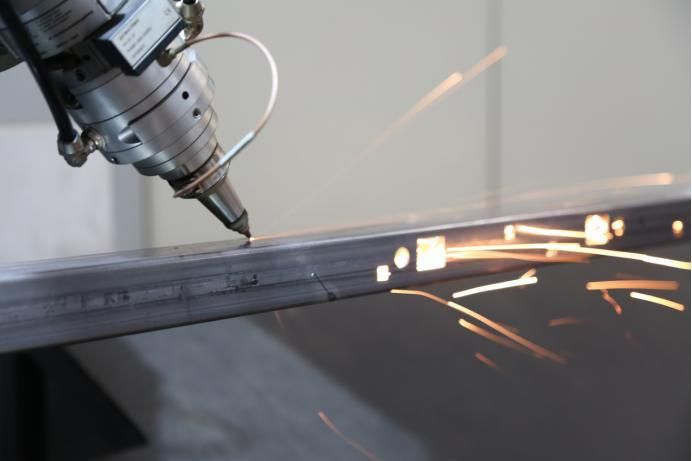
Pipe & Special-Shaped Structure Processing: Widely applicable to round, square and profiled pipes, as well as irregular spatial components for machinery, engineering and new energy sectors, this technology enables one-stop cutting of pipe ends, holes and curved surfaces. It resolves the low efficiency and poor precision flaws of traditional pipe cutting and 2D stamping, adapting perfectly to diverse custom special-shaped part production.
3D Laser Cutting: Investment Cost and Return Evaluation
Upgrading to 5-axis 3D laser equipment is not universally applicable. Manufacturers must evaluate based on production scale, product positioning and long-term strategy to avoid blind investment.
5-axis 3D laser systems require higher upfront investment in equipment procurement, commissioning and staff training compared to standard 2D machines. For small factories focused on standardized flat-sheet mass production with low customization demands, 2D cutting remains the more practical, cost-effective option.
For mid-to-high-end manufacturers specializing in customized, high-precision complex parts, 3D laser cutting delivers significant long-term ROI. First, it streamlines workflows by eliminating secondary processing, cutting labor costs, reducing tool wear and shortening lead times. Second, its versatile processing capabilities expand service ranges, enabling businesses to secure high-value orders in automotive, aerospace and new energy industries and strengthen market competitiveness. Third, integrated one-time forming lowers defect and rework rates, driving stable long-term profitability.
Final Verdict: Is 3D Laser Cutting Worth Investing In?
2D laser cutting remains optimal for cost-effective, standardized flat-sheet production. In contrast, 5-axis 3D laser cutting is a sound long-term investment for manufacturers targeting high-end markets, producing complex custom parts, or pursuing production upgrades and higher profits.
Beyond simple equipment iteration, 3D laser cutting empowers manufacturers to transition from low-end repetitive production to high-value precision customization. With rising high-end manufacturing standards, 5-axis 3D laser cutting is fast becoming a core competitive advantage for modern manufacturers.