
In today’s competitive manufacturing landscape, controlling laser cutting costs is key to profitability. Typically, 40%-60% of operational costs go to materials, gas, electricity, and maintenance—but you don’t need big investments to save. Below are actionable strategies to cut expenses immediately, with data-driven tips to avoid quality loss.
I. Optimize Material Costs: Master Nesting Software
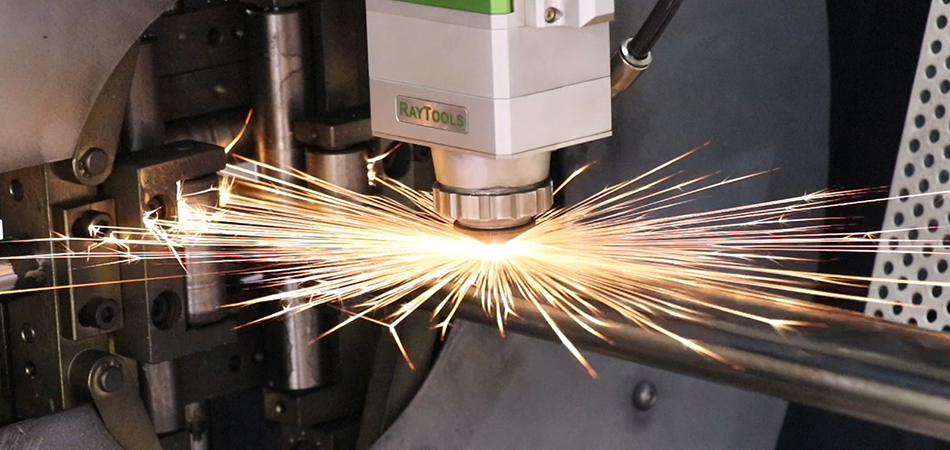
Materials account for 40%-60% of laser cutting costs, and proper nesting can reduce these expenses by 15%-30%. Here’s how to leverage nesting software effectively:
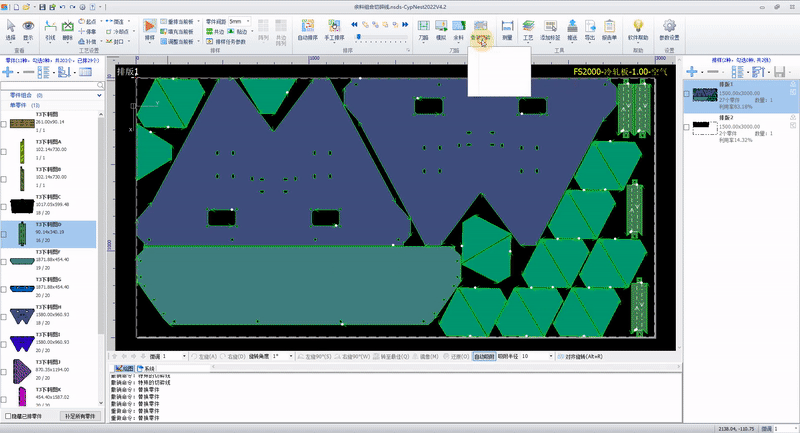
1. Advanced Nesting Techniques
Manual nesting only achieves 60%-70% material utilization, while professional tools (e.g., SigmaNest, Lantek) boost this to 80%-90%.
Key tactics:
Large Parts First + Gap Filling: Place large parts first, then fill gaps with smaller ones to avoid waste—boosting yield by 5%-8%.
Common-Line Cutting: Share cut paths between adjacent parts to save 8%-12% material and 15%-25% time (maintain 0.1-0.5mm gaps).
Remnant Management: Reuse leftover scraps for small parts or prototypes to recover 3%-5% more material.
2. Quantify Savings
For a shop processing 100 tons of $2,000/ton stainless steel, improving utilization from 70% to 80% saves $200,000/year. Nesting software ($3,000-$15,000) typically pays for itself in 1-3 months.
3. Choose the Right Material Thickness
Avoid over-specifying thickness (e.g., 3mm instead of 4mm when possible) to cut material costs by 25% and reduce gas/electricity use.
II. Save on Gas & Electricity
Gas and electricity make up 20%-30% of costs—small adjustments deliver quick savings:
1. Use Compressed Air Where Possible
Compressed air ($0.05-$0.10/m³) is 1/10th the cost of nitrogen ($0.50-$2.00/m³) and 1/3rd the cost of oxygen ($0.10-$0.30/m³). It works well for thin carbon steel (0.5-3mm) and non-metals, cutting gas costs by 60%-70%.
Note: Use oxygen (thick carbon steel) or nitrogen (stainless steel for oxide-free edges) when needed, but optimize pressure.
2. Optimize Gas Pressure
Overusing gas wastes money: Oxygen pressure above 0.5-2 bar (standard for carbon steel) increases consumption by 12% per 0.1MPa overage. Follow guidelines: thin carbon steel (5-7 bar), thick carbon steel (7-10 bar), stainless steel (12-20 bar max).
3. Reduce Electricity Use
Fiber lasers (30%-50% efficiency, up to 50%+ for high-efficiency models) are more efficient than CO2 lasers (10%-15%), but you can save more:
Match Power to Thickness: Overpowering wastes 20%-25% energy—use the minimum power for clean cuts.
Off-Peak Hours: Schedule high-volume jobs during cheaper off-peak rates (20%-30% savings).
Minimize Idle Time: Idle equipment wastes 15%-20% energy—schedule jobs efficiently.
Example: 10x 4000W fiber lasers can save over $100,000-$120,000/year with these tweaks, depending on usage hours and regional electricity rates.
III. Control Maintenance Costs
Proactive maintenance cuts unplanned costs by 30%-40% and extends equipment life by 2-3 years. Focus on high-wear components:
1. Protect Lenses
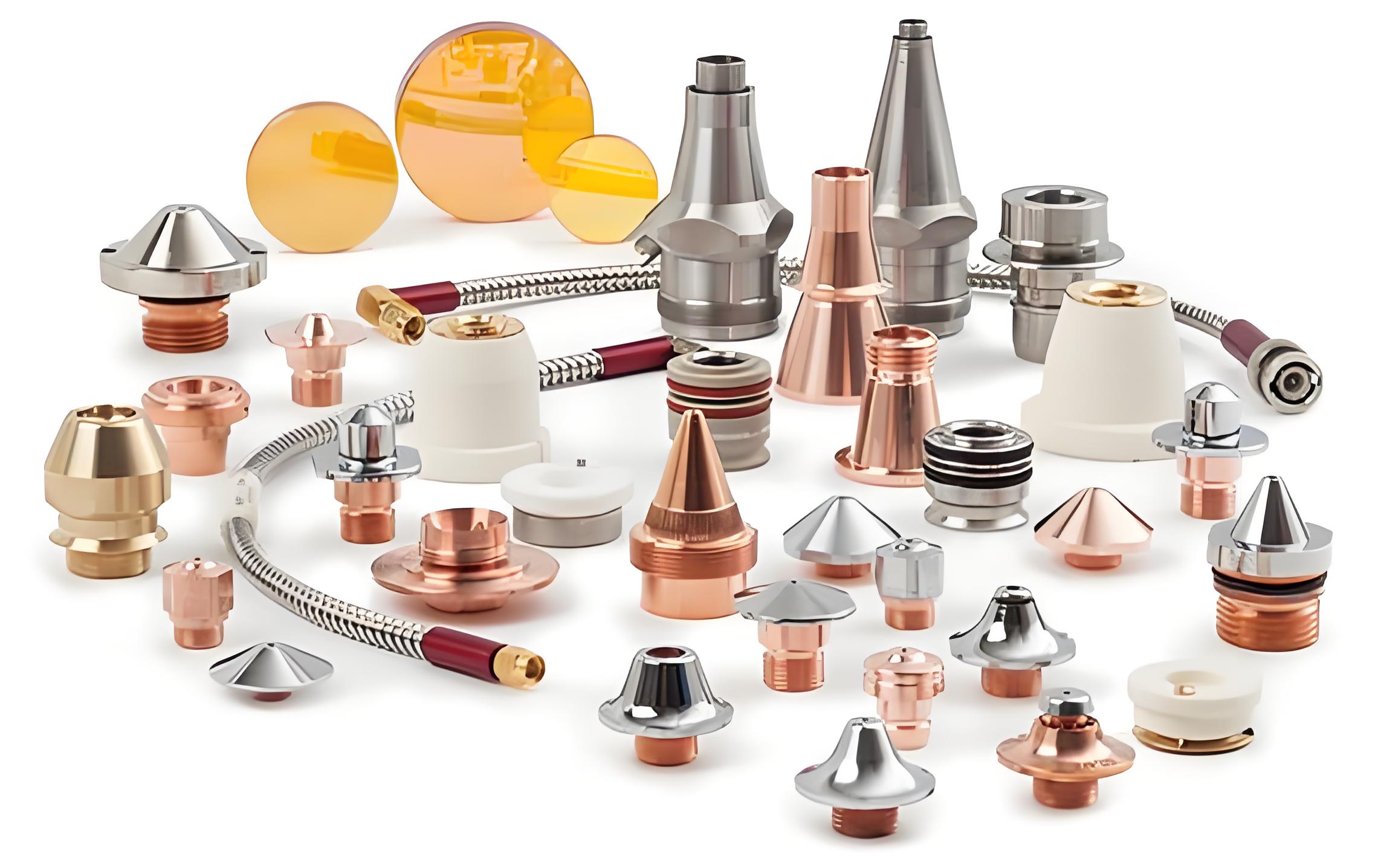
Lenses ($100-$500 each) last 3-6 months with poor care, 12-18 months with proper maintenance: clean daily with isopropyl alcohol, check for damage, and use clean assist gas to prevent contamination.
2. Extend Nozzle Life
Nozzles ($10-$50 each) last 2-4 weeks with regular use—double that by cleaning after each shift, using the right size for the material, and replacing promptly when worn or clogged.
3. Maintain the Laser Source
The laser source ($10,000-$50,000) lasts 8-10 years with proper care (core components like pump sources can reach 100,000+ hours): check the cooling system weekly, calibrate the beam monthly, and schedule annual professional maintenance.
4. Create a Maintenance Schedule
A tiered plan (daily-weekly-monthly-annual) reduces unplanned downtime by 25%-30% and maintenance costs by 20%-25%. Track component replacement in a log to identify wear patterns.
IV. Quick Cost-Saving Tips
Train Operators: Trained staff waste 20%-30% less material and 15%-20% less gas/electricity—training ROI is achieved in 1-2 months.
Batch Similar Jobs: Group jobs by material to reduce setup time and test cut waste.
Conclusion
Small, strategic adjustments to material use, gas/power settings, and maintenance can lower overall costs by 15%-25% within 3 months. For personalized guidance, contact our laser experts for a free consultation.