

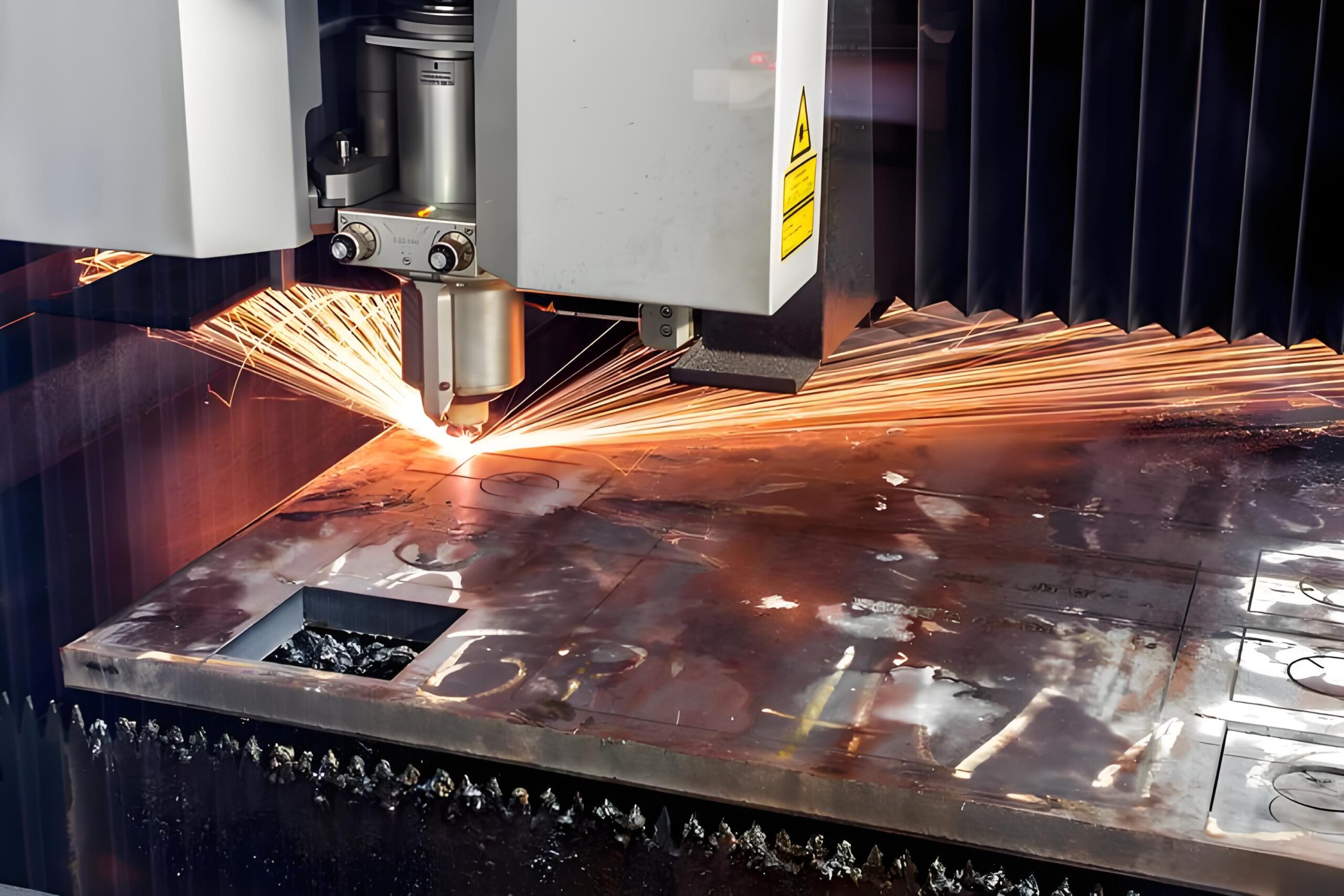
Poor laser cutting precision (rough, uneven edges) impairs workpiece quality, increases material waste, and affects assembly processes.
Cutting precision relies on the coordination of laser parameters, optical systems, and mechanical structures; rough or uneven edges typically stem from three key causes : focus position deviation, mismatched laser power and materials, and mechanical structure wear, and our services can address these efficiently.
I. Core Causes of Poor Laser Cutting Precision
1. Focus Position Deviation: Inaccurate Laser Energy Concentration
The focus position is critical for concentrating laser energy—even a 0.1mm deviation can prevent laser energy from acting precisely on the material surface, resulting in uneven energy distribution, rough edges, inconsistent cutting depth, and slag adhesion. Common causes include optical component contamination, improper adjustment after material thickness changes, equipment vibration, and focus lens mount wear. For example, a misplaced focus when cutting thick plates may cause upper edge burning and lower edge slag.
2. Mismatched Laser Power and Cutting Materials: Improper Melting and Cutting
Laser power must be perfectly matched with the material’s type and thickness; any mismatch will directly affect cutting precision. Excessively high power causes over-melting of the material edge, leading to rough, burnt edges and irregular cut surfaces. Insufficient power fails to fully cut through the material, resulting in burrs, uneven edges, and the need for secondary processing. Additionally, improper coordination between laser power and cutting speed exacerbates the issue—slow speed with high power causes excessive ablation, while fast speed with low power leads to incomplete cutting.
3. Mechanical Structure Wear: Reduced Motion Precision of the Cutting Head
Mechanical components such as guide rails and sliders are the foundation for the stable movement of the laser cutting head. Long-term high-intensity operation, metal debris accumulation, and lack of lubrication will cause wear on these components, leading to increased friction, unstable movement of the cutting head, and even slight jitter. This jitter directly translates to uneven cutting paths and rough edges, and severe wear can also cause dimensional deviations in the workpiece, affecting overall precision.

II. Targeted Solutions: Restore Precision Efficiently
Targeting these three core causes, we provide practical on-site solutions and professional maintenance services to help you quickly resolve precision issues and extend equipment service life.
1. Regularly Calibrate the Focus Position
Calibrate the focus position regularly according to the thickness and type of the cutting material to ensure the laser focus is accurately aligned with the material surface. Common calibration methods include the slant plate burning method (finding the narrowest burn mark on an inclined plastic plate) and the dotting method (drilling an array of holes on a metal plate to find the smallest hole, which corresponds to the focus position). For equipment with automatic focus function, input the material parameters to allow the system to automatically calculate and position the optimal focus. Recalibrate the focus whenever the material type or thickness changes, and conduct a comprehensive calibration monthly to avoid deviation caused by long-term operation.
2. Optimize Laser Parameters for Material Matching
Adjust laser power, cutting speed, and auxiliary gas parameters according to the material’s characteristics to achieve perfect matching. Establish a parameter database for common materials. for thin plates, use high speed and appropriate power to avoid over-melting or incomplete cutting. Additionally, ensure the purity of auxiliary gas (nitrogen ≥99.99%, oxygen ≥99.7%) to effectively blow away slag and improve edge smoothness.
3. Maintain and Replace Worn Mechanical Components
Establish a regular maintenance system for mechanical components: clean guide rails and sliders daily with a soft cloth or compressed air to remove metal debris and dust, preventing wear caused by accumulation. Apply special lubricating oil to guide rails 1-2 times a week (increase frequency for high-intensity operation) and run the equipment idly for a few minutes to ensure uniform lubrication. Regularly inspect for wear—if guide rails or sliders have obvious wear, jitter, or increased clearance, replace them promptly to restore the cutting head’s movement precision and ensure stable cutting paths.
III. Key Reminder: Daily Maintenance Prevents Precision Issues
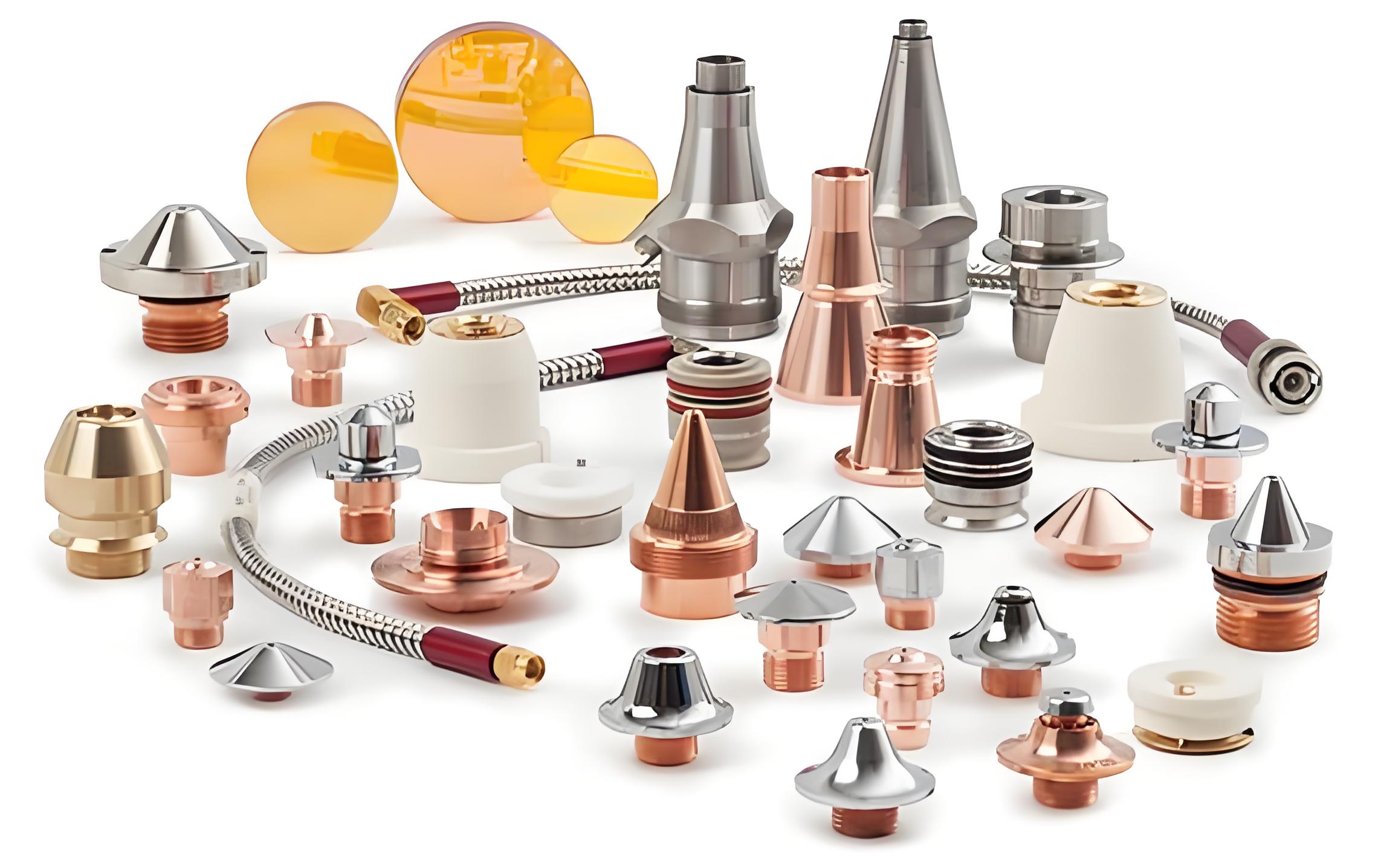
Stable cutting precision requires standardized daily maintenance: regularly clean optical components with anhydrous ethanol and keep the workshop environment stable. Our team also provides professional daily maintenance guidance to reduce your costs.
If precision issues persist after troubleshooting, our professional technicians offer comprehensive inspection, maintenance and repair services to avoid further losses.
