

In precision manufacturing, demand for micron-level accuracy is soaring, especially in electronics, medical devices, semiconductors, and PCB manufacturing. Traditional laser machining often generates excessive heat, causing thermal deformation, material damage, and imprecision—unacceptable for delicate, high-value components. Ultra-fast laser micro-machining (picosecond and femtosecond lasers) solves these pain points, redefining precision manufacturing standards.
Unlike conventional lasers with continuous or long pulses, ultra-fast lasers deliver extremely short pulses (10⁻¹² to 10⁻¹⁵ seconds). This “cold ablation” process absorbs laser energy instantly by material electrons, before heat spreads, preserving material properties while achieving exceptional precision.
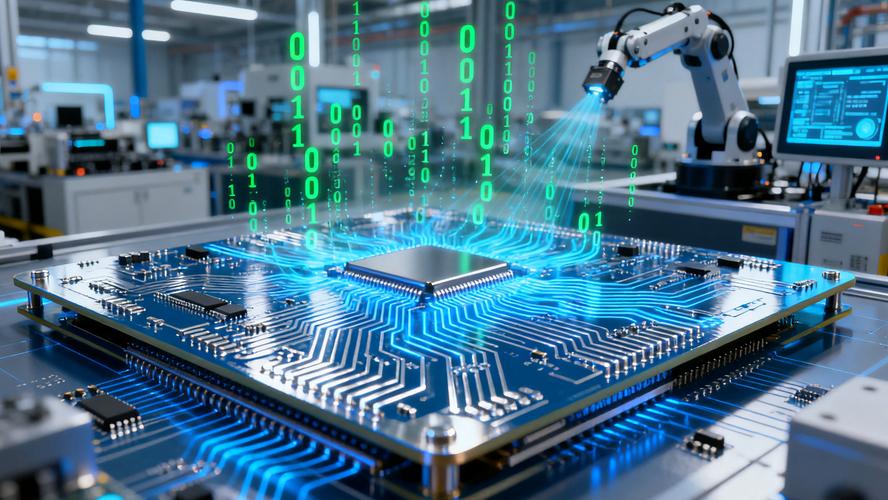
Key Principles of Ultra-Fast Laser Micro-Machining
Its core principles set it apart from traditional laser processing:
-
Cold Ablation: Ultra-short pulses bypass thermal conduction, evaporating electrons directly without melting, resulting in zero/minimal thermal deformation for heat-sensitive materials (glass, ceramics, thin foils).
-
High Beam Quality: With M² value close to 1, it delivers a focused laser spot (down to a few microns) for precise cuts, drills, and engraving of complex micro-components.
-
Material Versatility: It processes metals, polymers, semiconductors, glass, ceramics, and even biological materials, fitting diverse high-precision needs.
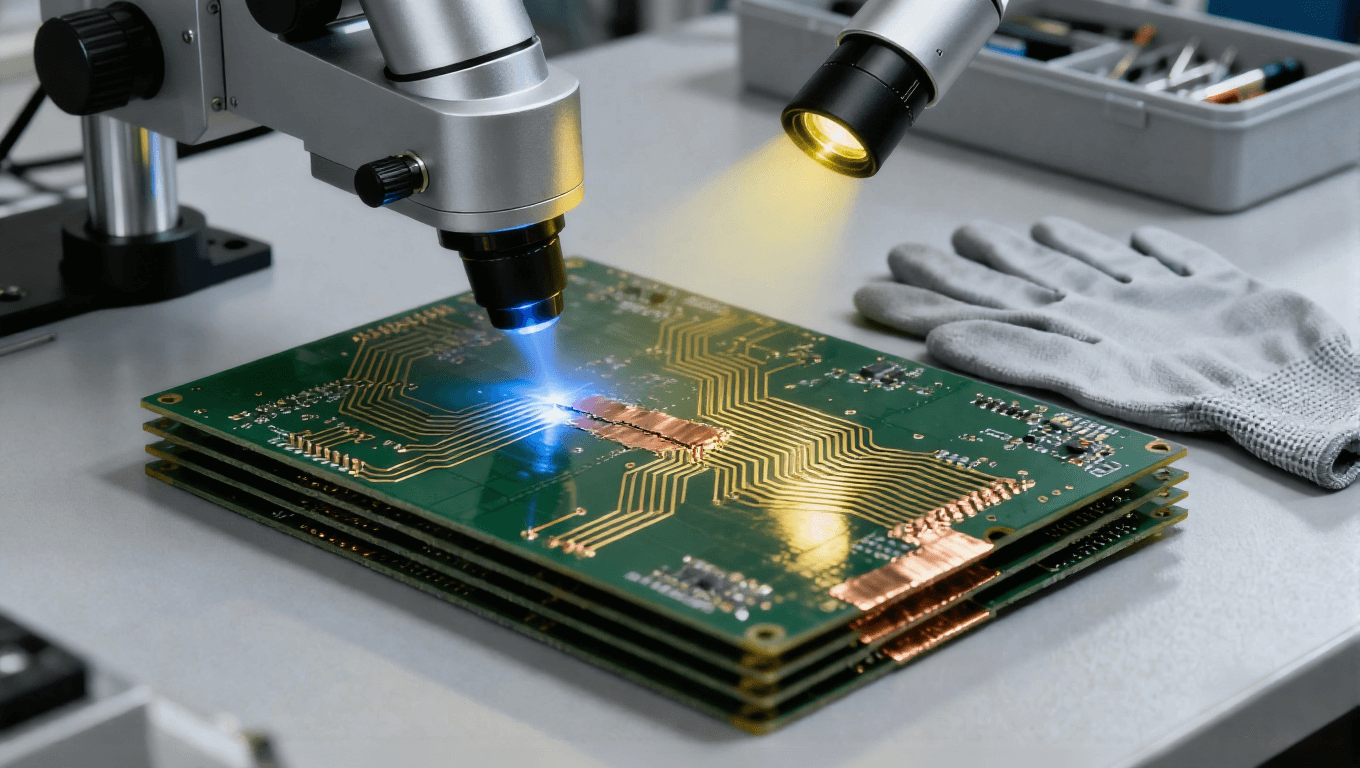
Core Advantages for High-Precision Industries
Ultra-fast laser micro-machining outperforms traditional technologies (mechanical machining, chemical etching) for precision-focused industries:
-
Zero Thermal Deformation: Cold ablation preserves material properties, eliminating thermal stress—critical for electronics (flexible screens, microchips) and medical devices (surgical instruments, implants).
-
Ultra-Smooth Edges: Burr-free edges (Ra≤0.2μm) eliminate secondary polishing, reducing time, labor costs, and improving product reliability.
-
High Precision: ±0.1μm positioning accuracy and 5μm laser spot handle micro-holes (≥10μm), micro-grooves, and complex patterns, meeting demand for compact products.
-
Minimal Waste: Focused beams minimize loss, ideal for high-value materials (semiconductor wafers, medical alloys), cutting production costs.
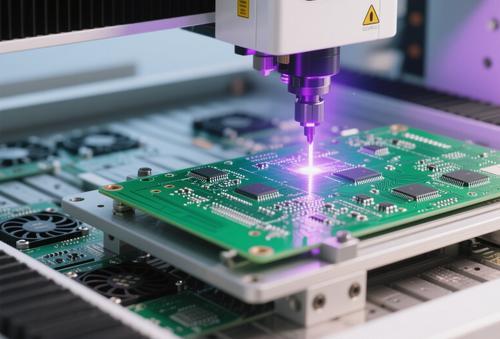
Key Application Scenarios
It is indispensable in high-end industries where precision and material integrity matter most:
-
Electronics: Wafer dicing, flexible OLED/AMOLED screen cutting, PCB micro-drilling, and micro-component engraving for smartphones/wearables.
-
Medical Devices: Production of titanium stents, dental implants, micro-scalpels, and micro-fluidic devices, ensuring biocompatibility.
-
Semiconductors: Micro-structuring, wafer thinning, and scribing, processing delicate materials without damaging chip functionality.
-
Optics: Micro-machining lenses, prisms, and fiber optics, improving light transmission with precise micro-patterns.
In conclusion, ultra-fast laser micro-machining transforms precision manufacturing. Its cold ablation, high precision, and versatility make it ideal for high-end industries. As demand for smaller, smarter products grows, it will remain at the forefront, helping manufacturers gain a global competitive edge.
