

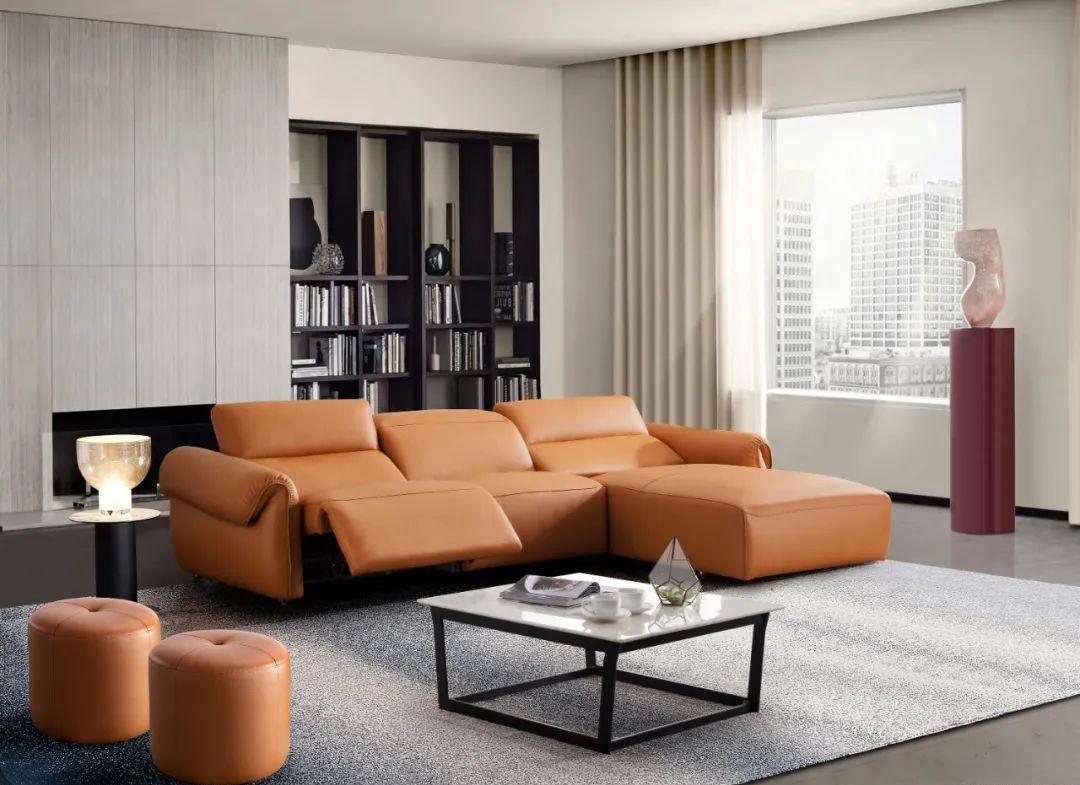
The global furniture industry thrives on a complete industrial chain and deep integration of technology and manufacturing.
Laser pipe cutting machines, with core advantages of high precision and efficiency, cover key links like pipe blanking and complex hole processing, greatly enhancing furniture frame fitting and assembly efficiency, and serving as a core technical support for the industry’s quality and efficiency improvement.
I. Laser Pipe Cutting Machines: Addressing Pain Points and Reshaping Processing
Laser pipe cutting machines have broken the limitations of traditional pipe processing, achieving dual breakthroughs in precision and efficiency.
(1) Higher Efficiency, Shorter Delivery Cycles
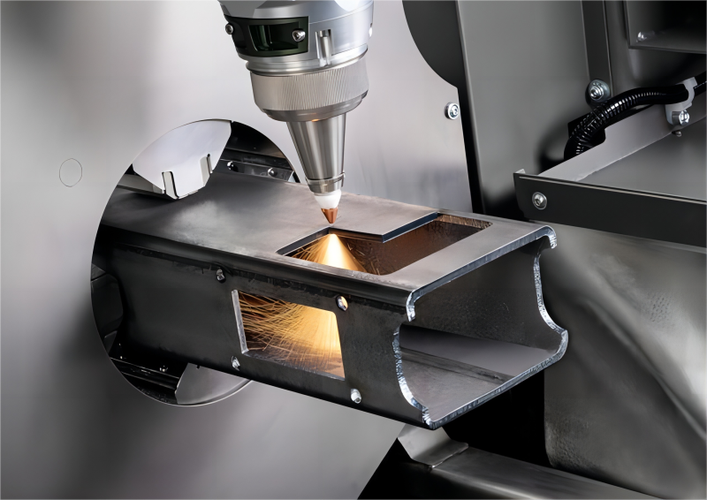
Compared with sawing and milling, laser cutting is faster, supporting continuous and mass production with no frequent parameter adjustments. It integrates cutting, drilling, and chamfering, eliminating inter-process transfer time and improving overall production efficiency.
(2) Superior Precision, Better Product Quality
With a cutting precision of ±0.05mm, laser machines ensure consistent pipe sizes and minimal assembly errors. The cuts are smooth, burr-free, and non-deformed, enabling precise processing of complex holes and grooves for one-time assembly and low rework rates.
(3) Cost Reduction, Optimized Benefits
Adopting non-contact processing, their consumables (nozzles, protective mirrors, etc.) are standard and affordable. Intelligent cutting path optimization reduces material waste, while high automation (with optional loading/unloading systems) lowers labor reliance and operational errors.
(4) Simplified Operation, Streamlined Processes
Easy to use: Import STP-format 3D drawings via USB or use the built-in drawing-free function. With pre-set functions (bevel cutting, intelligent nesting) and a process database for common pipes, programming and operation are simplified.
II. Scenario-Based Applications: Practical Value in Action
Scenario 1: Rapid Response to Custom Orders
High-speed laser machines with semi-automatic racks handle small-batch, multi-specification processing efficiently, completing drilling and cutting simultaneously. They improve precision, simplify processes, and enable quick responses to custom orders.
Scenario 2: Mass Production of High-End Furniture
Laser machines balance precision (±0.05mm) and mass production, with cutting speed 30% faster than traditional equipment. One enterprise saw monthly output rise from 3,000 to 8,000 pieces, defect rate drop from 5% to below 0.8%, and new product development cycle shortened by 60%.
Scenario 3: Precision for Artistic Furniture
Laser cutting accurately reproduces complex curves and decorative elements from designs, with smooth cuts requiring no secondary polishing, perfectly realizing personalized furniture concepts.
III. Key Selection Factors: Rigidity, Precision, Stability
(1) High-Rigidity Bed
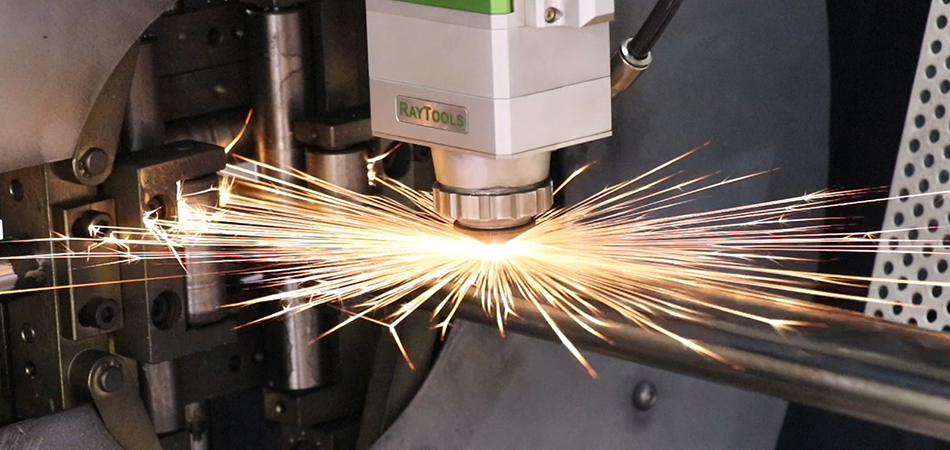
Made of high-quality castings (stress-relief annealed) and precision-machined in one piece, it resists vibration and deformation for stable full-stroke precision.
(2) High-Precision Chuck
Combined with a high-performance bus control system, it ensures accurate positioning and stable operation during mass processing.
(3) Stable Control System
Acts as the "brain" to coordinate parameters, process data, and ensure long-term continuous operation.
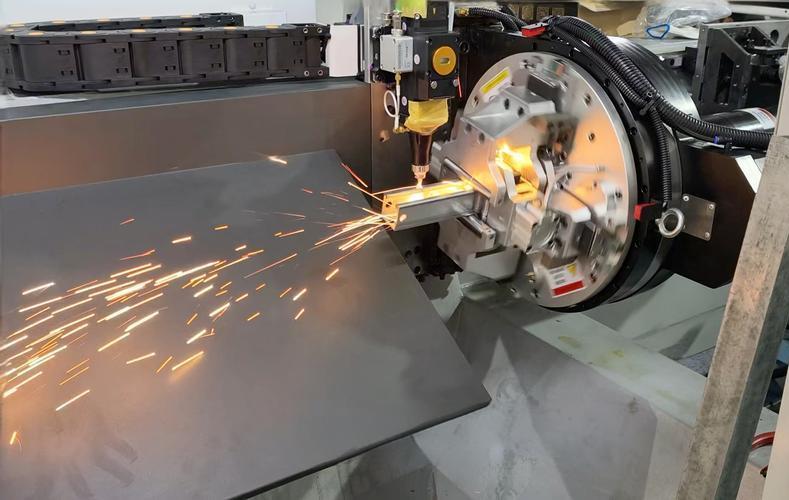
Pipe processing is the first step in furniture production. Laser pipe cutting machines reliably improve efficiency and quality by reducing non-processing time, ensuring pipe consistency, and simplifying processes.
