

In high-volume metal fabrication, integrating laser cutting with automation (robotic loading, conveyors, AS/RS) solves manual bottlenecks, transforms standalone cutters into smart lines, and boosts productivity. It’s not just robots, but a seamless ecosystem ensuring efficiency and consistent quality.
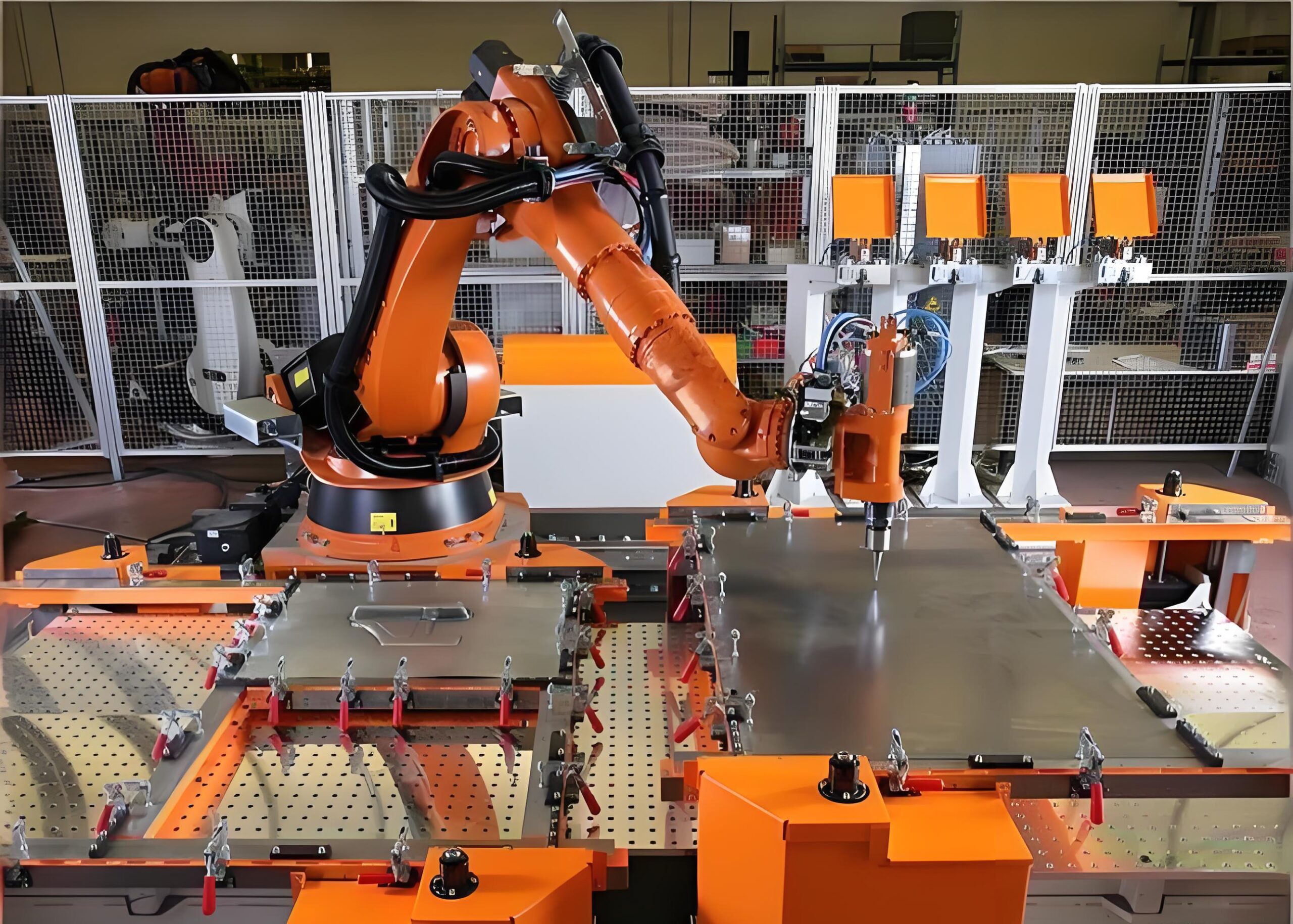
Key Components of Laser Cutting & Automation Integration
A fully integrated laser cutting automation system combines several core components to create a streamlined production workflow, each playing a critical role in reducing manual labor and improving efficiency:
-
Robotic Loading/Unloading Systems: Industrial robots equipped with suction cups or grippers automatically load raw material sheets onto the laser cutting bed and unload finished parts, eliminating manual lifting and reducing handling time by 60%. These robots work 24/7 without fatigue, ensuring continuous production even during off-shifts.
-
Conveyor & Sorting Systems: Conveyors transport raw materials to the laser cutter and move finished parts to sorting stations or storage areas. Automated sorting systems categorize parts by size, shape, or order, reducing human error and speeding up order fulfillment.
-
Automated Storage & Retrieval Systems (AS/RS): AS/RS systems store raw materials and finished parts in a compact, organized manner, retrieving materials on demand for the laser cutter. This saves floor space, reduces material loss, and ensures quick access to required stock.
-
Centralized Control Software: A single control platform manages the entire integrated system, synchronizing laser cutting parameters, robot movements, and material flow. Operators can monitor and adjust the entire production line in real time, reducing downtime and improving process visibility.
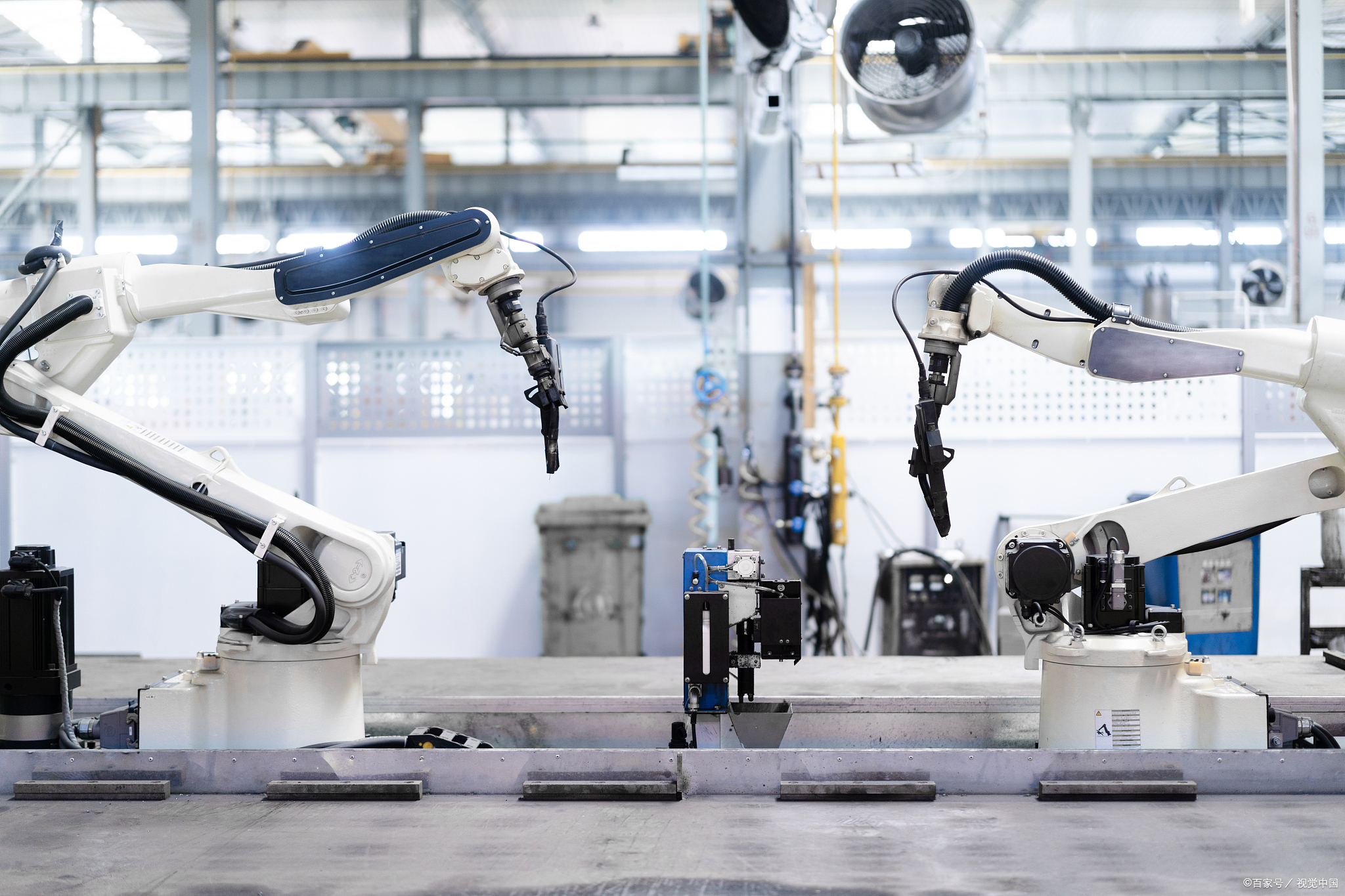
Core Benefits for High-Volume Manufacturers
For manufacturers handling high-volume, repetitive laser cutting tasks, automation integration delivers tangible, bottom-line benefits that justify the investment:
-
Maximized Production Throughput: Continuous, 24/7 operation and reduced handling time increase production volume by 40–50% compared to manual operations. This allows manufacturers to fulfill large orders faster and take on more business.
-
Reduced Labor Costs: Automation eliminates the need for multiple operators to handle material loading, unloading, and sorting, reducing labor costs by 30–40%. It also reduces the risk of workplace injuries associated with heavy lifting.
-
Consistent Quality & Reduced Waste: Automated systems eliminate human error in material handling and cutting setup, ensuring uniform part quality across all production runs. This reduces scrap rates by 15–20% and improves customer satisfaction.
-
Scalability & Flexibility: Integrated automation systems are easily scalable, allowing manufacturers to add more robots or conveyor lines as production demands grow. They also offer flexibility to switch between different part designs with minimal setup time.
Key Application Scenarios
Laser cutting automation integration is ideal for high-volume manufacturing industries where consistency and efficiency are non-negotiable:
-
Automotive & EV Manufacturing: Mass production of car body parts, EV battery enclosures, and chassis components, where high volume and consistent quality are critical.
-
Sheet Metal Fabrication: High-volume production of standard parts for furniture, appliances, and construction, such as brackets, panels, and frames.
-
Electronics Manufacturing: Large-scale cutting of metal enclosures, heat sinks, and PCB components, where precision and speed are essential.
-
Hardware & Fastener Production: Mass production of small metal parts, such as screws, nuts, and washers, requiring repetitive, high-speed cutting.
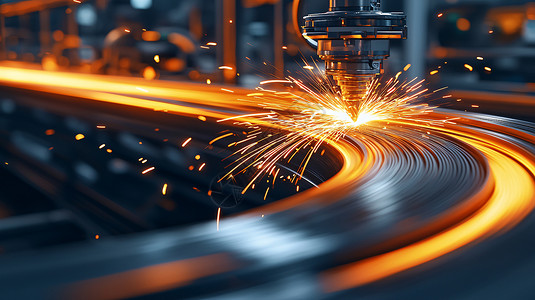
In conclusion, integrating laser cutting with automation is no longer an option for high-volume manufacturers—it’s a necessity to stay competitive. This integration streamlines workflows, reduces costs, and ensures consistent quality, allowing manufacturers to meet growing market demands and maximize profitability.
As manufacturing continues to move toward full automation, laser cutting automation integration will remain a cornerstone of smart, efficient production lines.
