

CO₂ laser cutters are widely used in industries like advertising, crafts, and small-batch manufacturing for their versatility in cutting non-metallic materials (wood, acrylic, leather) and thin metals. However, safe operation and proper maintenance are critical to ensure workplace safety, machine longevity, and consistent cutting performance.
This guide focuses on two core aspects: waste gas treatment and cooling system maintenance. Follow these practical tips to keep your operation safe and efficient.
Part 1: Waste Gas Treatment – Ensure Workplace Safety & Environmental Compliance
When a CO₂ laser cuts materials like acrylic, PVC, leather, or wood, it generates harmful waste gases and particulate matter. These emissions may contain toxic substances and fine dust, which pose health risks to operators and violate environmental regulations if released directly. Proper waste gas treatment is non-negotiable for safe and compliant operation.
1.1 Key Components of a Waste Gas Treatment System
A standard waste gas treatment system for CO₂ laser cutters consists of three core parts. Understanding their functions helps ensure effective operation:
- Extraction Hood/Nozzle: Installed above or around the laser cutting area to capture waste gas and dust at the source. For optimal capture, ensure the hood is positioned 10-20cm above the cutting surface and the air volume is matched to the machine’s cutting speed.
- Exhaust Fan: Provides suction power to draw emissions from the cutting area into the treatment unit. Choose a fan with sufficient air flow (measured in m³/h) – typically 500-1500 m³/h for small-to-medium CO₂ laser cutters (40-300W).
-
Treatment Unit: Filters or decomposes harmful substances. Common types include:
-
Activated Carbon Filters: Absorb organic gases (e.g., acrylic fumes) and odors. Suitable for most non-metallic cutting applications.
-
HEPA Filters: Capture fine particulate matter (PM2.5 and below) to prevent dust pollution.
-
Plasma Purifiers: Use high-voltage plasma to decompose toxic gases into harmless substances (ideal for PVC or other high-toxicity material cutting).
-
1.2 Safe Operation Tips for Waste Gas Treatment
-
Always turn on the waste gas treatment system before starting the laser cutter, and keep it running for 5-10 minutes after cutting to clear residual gases.
-
Regularly inspect the extraction hood and air ducts for blockages (e.g., dust buildup). A blocked duct reduces suction efficiency and increases the risk of gas leakage.
-
Replace filters on a scheduled basis: Activated carbon filters should be replaced every 3-6 months (depending on usage frequency), while HEPA filters need replacement when their pressure drop exceeds the manufacturer’s limit (usually 200-300 Pa).
-
Avoid cutting materials that produce highly toxic gases without a specialized plasma purifier. If such materials must be cut, ensure the workspace is well-ventilated and operators wear protective masks.
Part 2: Cooling System Maintenance – Extend Machine Life & Ensure Cutting Precision
CO₂ lasers generate a lot of heat during operation. The cooling system (typically a water chiller) maintains the laser tube at a stable temperature (usually 20-25°C). Overheating or unstable temperatures can damage the laser tube, reduce cutting precision, and shorten the machine’s service life. Proper maintenance of the cooling system is key to reliable laser cutter performance.
2.1 Core Components of the Cooling System
The cooling system for CO₂ laser cutters mainly includes:
-
Water Chiller: Controls the temperature of the cooling fluid (usually deionized water or anti-freeze).
-
Cooling Fluid: Transfers heat from the laser tube to the chiller. Deionized water is recommended for most environments to prevent scale buildup.
-
Water Pipes & Hoses: Circulate the cooling fluid between the chiller and laser tube. Check for leaks regularly.
-
Filters: Prevent debris from entering the laser tube and blocking the water circuit.
2.2 Maintenance Checklist for the Cooling System
-
Check Cooling Fluid Level & Quality Weekly:
-
Ensure the fluid level is between the "MIN" and "MAX" marks on the chiller’s reservoir. Top up with deionized water if needed.
-
Inspect the fluid for turbidity, discoloration, or odor. If present, drain and replace the fluid immediately to avoid corrosion or scale buildup.
-
-
Replace Cooling Fluid Every 3-6 Months:
- Drain the old fluid completely, flush the water circuit with clean deionized water, and refill with new fluid. For cold environments (below 0°C), use a specialized anti-freeze fluid to prevent pipe freezing.
-
Clean Filters Monthly:
- Remove the inlet and outlet filters of the chiller and laser tube, rinse them with clean water, and dry thoroughly before reinstalling. Blocked filters reduce water flow and cooling efficiency.
-
Inspect for Leaks & Pipe Damage:
- Check all water pipes, hoses, and connections for leaks. Replace cracked or worn hoses immediately to prevent fluid loss and machine damage.
-
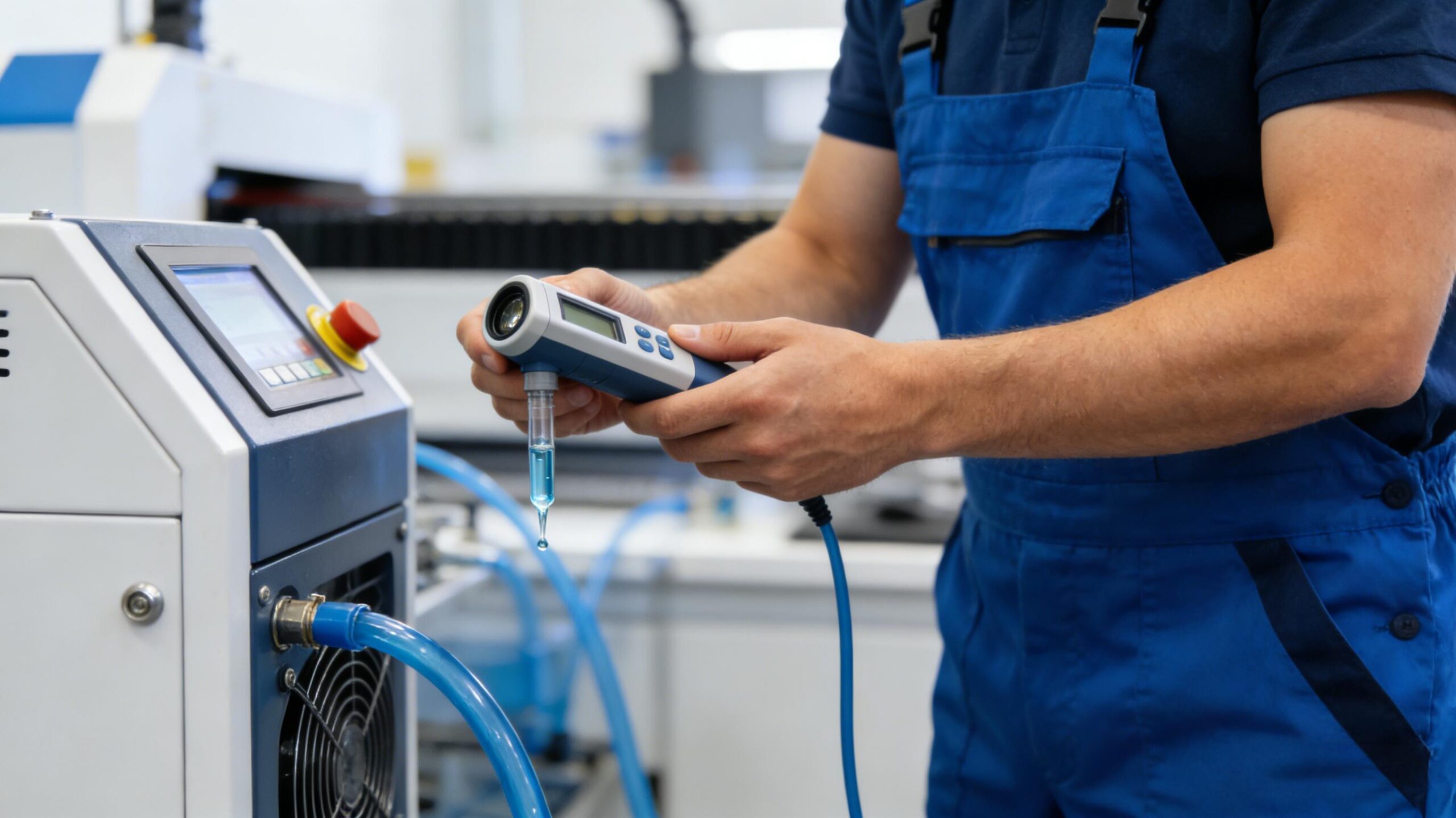
Calibrate Chiller Temperature Quarterly:
- Verify that the chiller’s displayed temperature matches the actual temperature of the cooling fluid. If there is a deviation, adjust the chiller’s settings according to the manufacturer’s instructions.
Part 3: General Safety Reminders for CO₂ Laser Cutter Operation
In addition to proper waste gas treatment and cooling system maintenance, follow these basic safety rules to protect yourself and your machine:
-
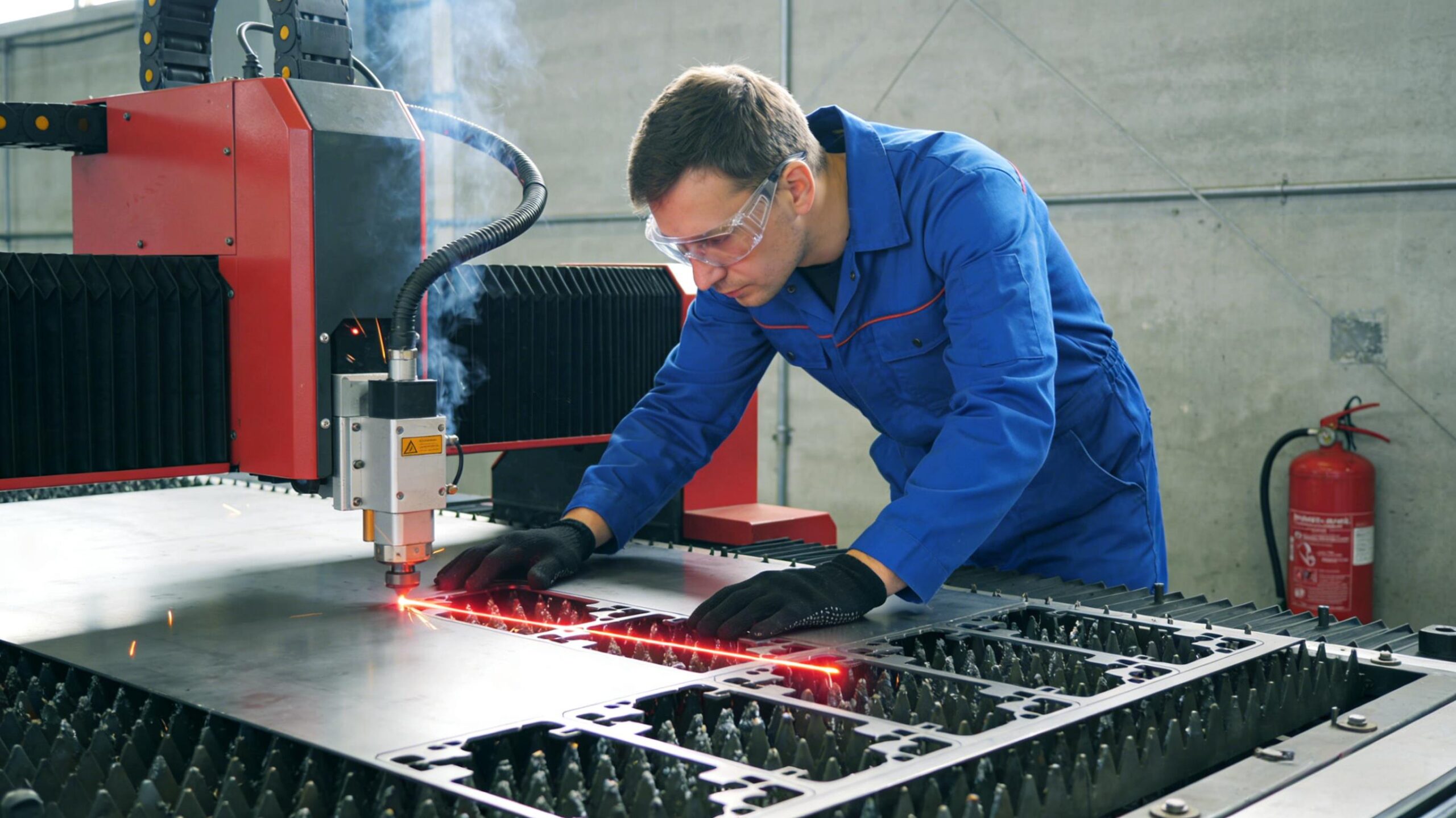
Wear appropriate personal protective equipment (PPE), including laser safety goggles, heat-resistant gloves, and a dust mask.
-
Never leave the laser cutter unattended during operation. In case of an emergency, press the emergency stop button immediately and cut off the power supply.
-
Keep the workspace clean and free of flammable materials (e.g., paper, alcohol, oil). Install a fire extinguisher nearby.
-
Regularly inspect the laser tube, mirrors, and lenses for contamination or damage. Clean mirrors and lenses with a lint-free cloth and specialized cleaning fluid to maintain cutting precision.

Final Summary
Safe operation and proper maintenance of your CO₂ laser cutter boil down to two key priorities: effective waste gas treatment and the environment, and regular cooling system maintenance to ensure machine stability and longevity. For more specific maintenance details, always refer to your laser cutter manufacturer’s official manual or contact our technical support team.
