
In the smart manufacturing era, AI is reshaping metal fabrication—including laser cutting. Traditional laser cutting relies heavily on skilled operators for parameter adjustments, nesting optimization, and error troubleshooting, which are time-consuming, error-prone, and inefficient.
AI-powered laser cutting combines advanced machine learning with laser technology, automating key workflows to boost productivity and cut costs, making it a critical investment for global competitiveness.
AI’s value in laser cutting lies in real-time data analysis, operational pattern learning, and autonomous adjustments—eliminating constant human intervention. It enhances every stage of laser cutting, from parameter optimization to error prediction, delivering consistent, high-quality results while minimizing waste and downtime.

AI Transforms Laser Cutting Workflows
AI integrates seamlessly with laser cutting systems, revolutionizing core workflows through smart automation and data-driven optimization:
-
Intelligent Parameter Optimization: AI algorithms analyze material properties (thickness, type, density) and cutting requirements in real time, automatically adjusting laser power, cutting speed, and focus. This eliminates trial-and-error adjustments by operators, ensuring optimal cutting performance for every material—from thin sheets to thick plates—and reducing edge defects by 30%.
-
Smart Nesting Optimization: AI-powered nesting software uses advanced algorithms to arrange parts on metal sheets in the most efficient way, maximizing material utilization. Compared to manual nesting, AI nesting reduces material waste by 10–15%, translating to significant cost savings for high-volume production.
-
Predictive Maintenance & Error Troubleshooting: AI monitors laser components (laser source, cutting head, motors) in real time, detecting abnormal wear or performance issues before they cause downtime. It also identifies common errors (e.g., spatter, misalignment) and suggests solutions, reducing unplanned downtime by up to 40%.
-
Automated Quality Inspection: AI vision systems scan cut parts in real time, comparing them to design specifications to detect defects (e.g., burrs, dimensional errors). This eliminates manual inspection, speeds up the production process, and ensures consistent quality control.

Core Benefits of AI-Powered Laser Cutting
For manufacturers, AI-powered laser cutting delivers tangible benefits that directly improve bottom lines and competitiveness:
-
Higher Productivity: Automation of parameter adjustment, nesting, and inspection reduces manual labor time by 25–30%, allowing operators to focus on higher-value tasks and increasing overall production throughput.
-
Reduced Costs: Less material waste, lower maintenance costs, and minimized downtime translate to long-term savings. A medium-sized fabrication plant can save up to $8,000 annually by adopting AI-powered laser cutting.
-
Consistent Quality: AI eliminates human error in parameter setting and inspection, ensuring uniform cutting quality across all production runs—critical for meeting strict customer and industry standards.
-
Lower Skill Barrier: By automating complex tasks, AI reduces reliance on highly skilled operators, addressing labor shortages and reducing training costs for new employees.

Key Application Scenarios
AI-powered laser cutting is ideal for manufacturers across industries that require high-volume, high-precision cutting, including:
-
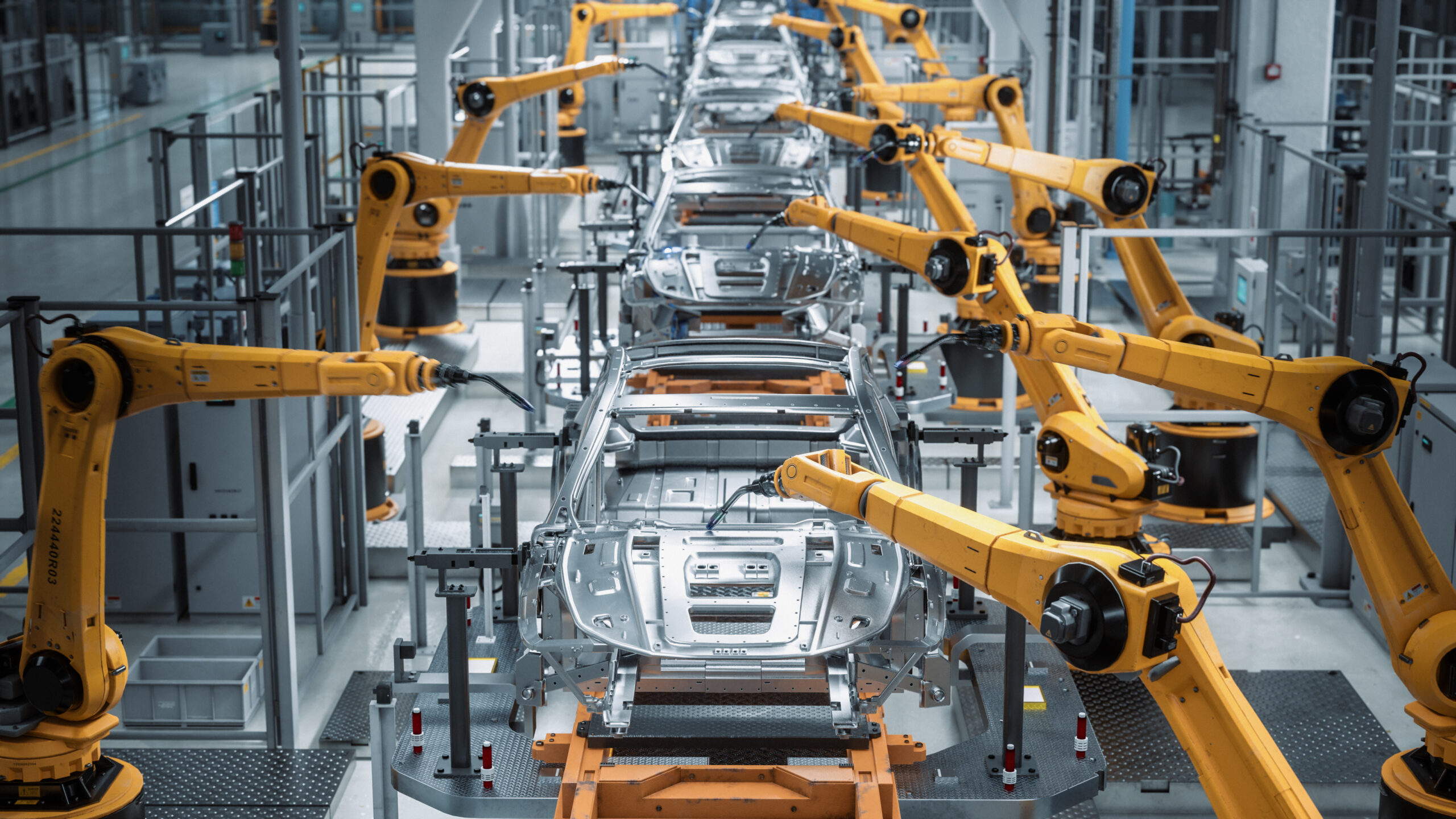
Automotive & EV Industry: Mass production of car body parts, EV battery components, and chassis parts, where consistency and efficiency are critical.
-
Sheet Metal Fabrication: High-volume cutting of stainless steel, carbon steel, and aluminum sheets for furniture, appliances, and construction components.
-
Electronics Industry: Precision cutting of small, complex parts (e.g., PCB components, metal enclosures) where accuracy and consistency are non-negotiable.
-
Heavy Machinery: Cutting thick plates for machinery components, where AI optimizes parameters to handle high-strength materials efficiently.
In conclusion, AI-powered laser cutting is more than a technological upgrade—it’s a strategic investment that drives efficiency, reduces costs, and ensures consistent quality.
As smart manufacturing continues to evolve, integrating AI with laser cutting will become essential for manufacturers looking to maximize productivity, stay ahead of competitors, and thrive in the global market.