

Widely used in mechanical manufacturing, construction, kitchenware and rail transit, stainless steel plates feature outstanding durability and mechanical performance. Laser cutting is the preferred precision processing solution for thick stainless steel plates, yet improper parameters and operations often cause burrs, delamination, yellowing and incomplete cuts.
To help manufacturers achieve high-precision, stable cutting for thick stainless steel, we have summarized five core laser cutting optimization skills for consistent, high-quality results and higher productivity.
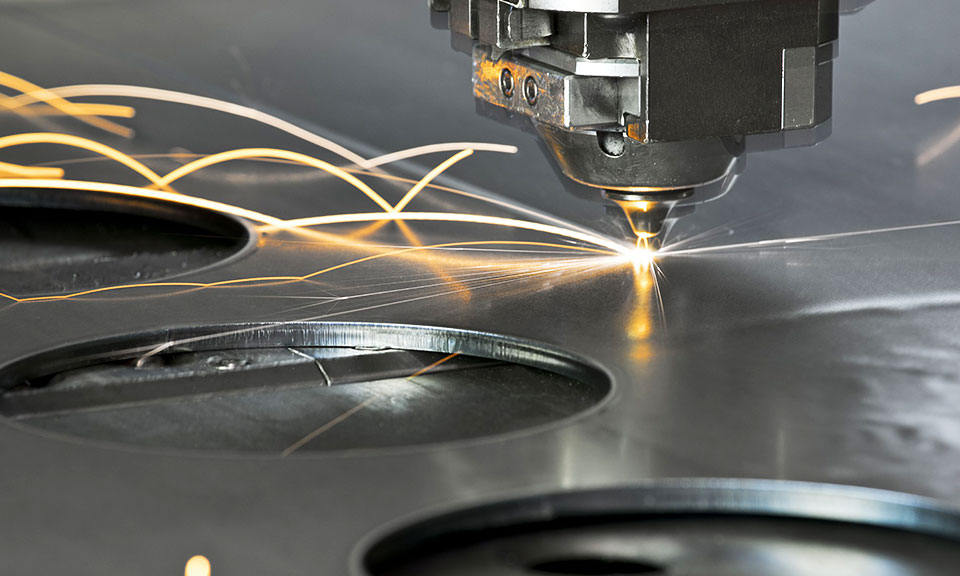
1. Scientific Laser Nozzle Selection & Coaxial Calibration
The laser nozzle governs cutting airflow. Its diameter directly shapes airflow pattern, gas coverage and flow velocity, critically impacting cutting stability and section finish of thick stainless steel plates.
A properly sized nozzle ensures stable gas pressure and flow to efficiently blow away molten material for smooth, clean cuts. Regular coaxial calibration is also mandatory to align the nozzle with the laser beam, preventing seam unevenness, offset cuts and uncut areas caused by beam deviation.
2. Reasonable Laser Frequency Adjustment
Laser pulse frequency directly determines cutting section fineness. Fine-tuning frequency within a reasonable range greatly improves the cutting finish of thick stainless steel plates.
Within the common 200–500Hz range, lowering frequency refines cutting sections with fewer burrs and streaks. However, excessive reduction (e.g., 100Hz) results in insufficient energy and incomplete penetration. In this case, adjust pulse counts and single-pulse energy to match plate thickness for balanced penetration and finish.
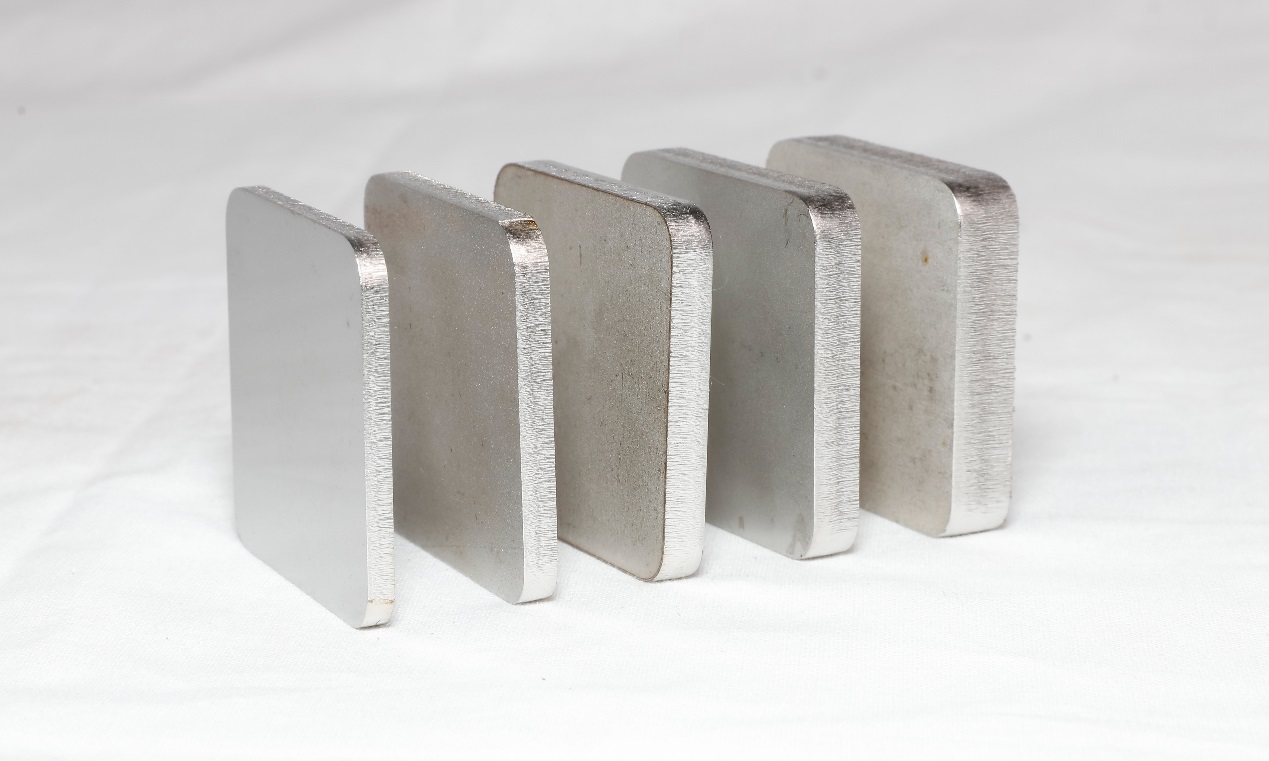
3. Precise Duty Cycle Tuning
Duty cycle controls laser energy output duration and dominates cutting penetration and flatness, with a critical threshold of 53% for thick stainless steel cutting.
A duty cycle below 53% causes insufficient energy, leading to uncut bottoms and residual burrs. An excessively high duty cycle introduces excessive heat, resulting in rough sections, obvious delamination and thermal deformation. Real-time fine-tuning based on actual cutting conditions maintains optimal energy balance.
4. Focus Position & Cutting Speed Optimization
Focus position is vital for thick-plate cutting quality. Different materials and thicknesses require exclusive focus parameters, so unified settings cannot fit all scenarios.
Before mass production, calibrate the equipment’s actual zero focus position and set the optimal focus based on plate thickness and professional Chuangxin process parameters. Matched with rational cutting speed, this avoids skewed seams, incomplete cuts and excessive oxidation for stable high-precision cutting.
5. Comprehensive Parameter Matching & Dynamic Balancing
High-quality thick stainless steel laser cutting relies on coordinated multi-parameter adjustment. Targeted tuning solves common cutting defects as follows:
- Layered & rough sections: Properly reduce the laser frequency or lower the positive focus value to optimize the laser energy aggregation state;
- Yellow & oxidized sections: Reduce the duty cycle to lower thermal input and avoid excessive oxidation of the cutting surface;
- Low processing efficiency: Appropriately increase frequency and duty cycle to improve cutting speed.
Note that higher frequency and duty cycle accelerate cutting speed but compromise section quality. Operators shall balance efficiency and finish according to product demands for optimal results.
Conclusion
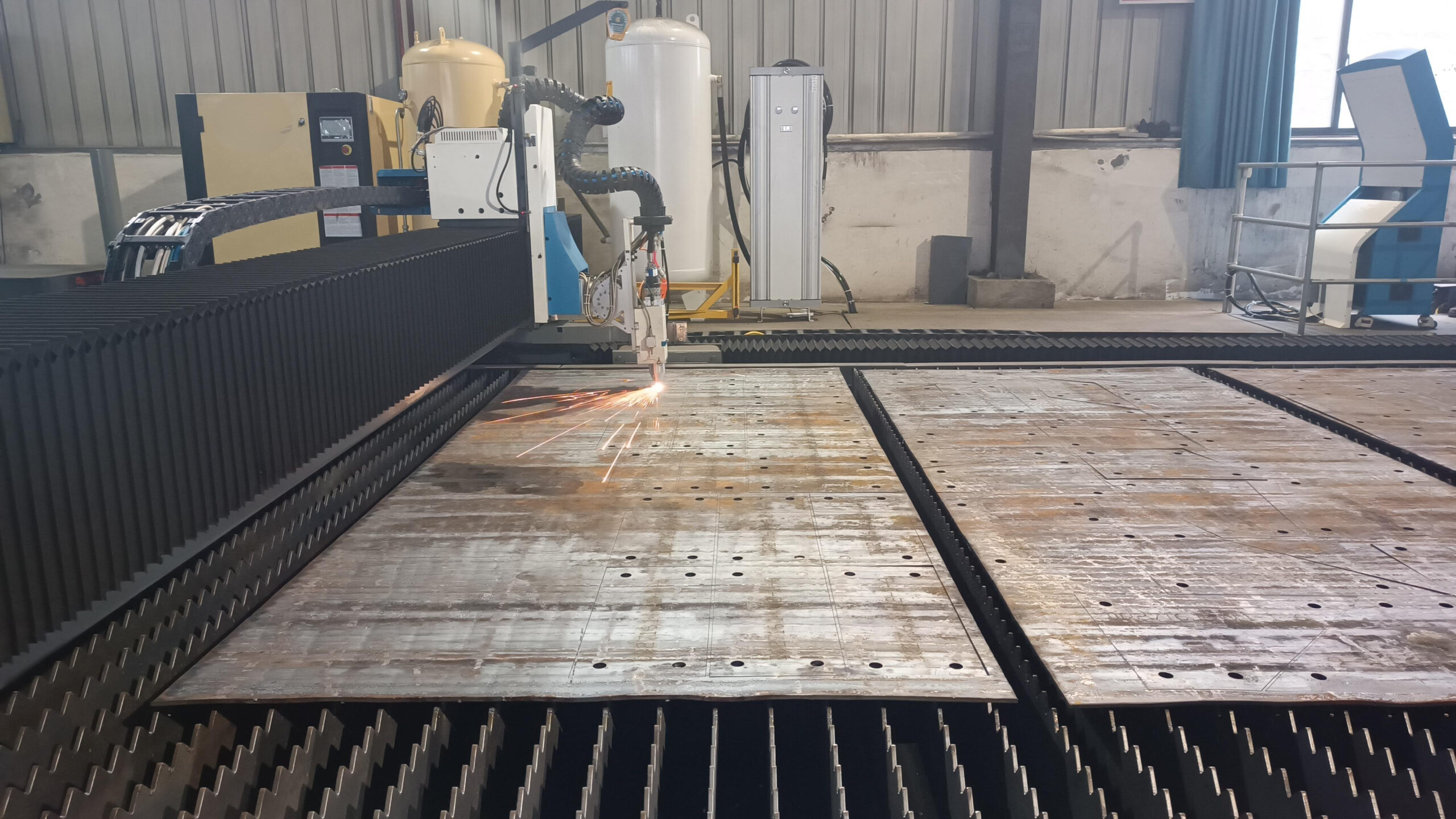
Premium thick stainless steel laser cutting depends on standardized calibration and refined parameter tuning. Optimizing nozzle selection, frequency, duty cycle, focus position and overall parameter coordination eliminates common defects, stabilizes product quality, reduces scrap rates and enhances enterprises’ precision processing competitiveness.
